
New Study Links van Gogh's 'The Starry Night' to July 22, 1889 Predawn Sky
Why it matters
This study redefines the intersection of art and science, potentially influencing how art is taught and appreciated globally.
What happened (in 30 seconds)
- A new study published on October 22, 2026, links van Gogh's 'The Starry Night' to the predawn sky of July 22, 1889.
- Forensic astronomy techniques were used to match celestial elements in the painting with actual observations from the artist's asylum window.
- Experts acknowledge the findings as a compelling hypothesis, prompting further exploration of van Gogh's work without altering existing institutional attributions.
The context you actually need
- Vincent van Gogh painted 'The Starry Night' while residing at the Saint-Paul-de-Mausole asylum in Saint-Rémy-de-Provence after a tumultuous period in his life.
- Previous attributions of the painting's date were based on correspondence that did not align with the moon's phase depicted in the artwork.
- This study employs advanced simulations and shape analysis, marking a significant advancement in the field of forensic astronomy applied to art history.
What's really happening
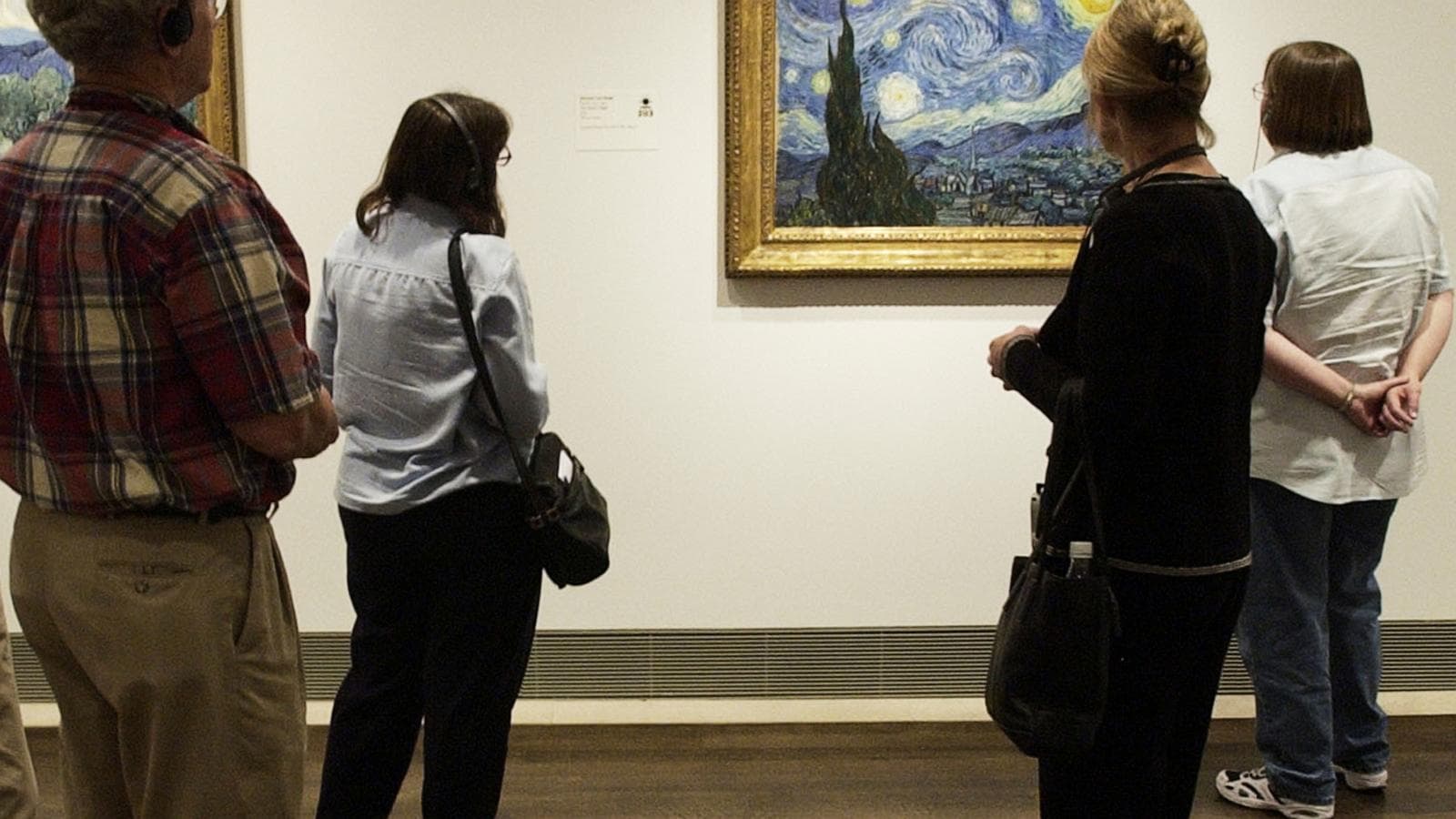
The recent study led by South Korean astronomer Elijah Jeong-hyun Kim has sparked renewed interest in the celestial elements depicted in Vincent van Gogh's 'The Starry Night.' By employing forensic astronomy and shape analysis, Kim's team reconstructed the night sky over Saint-Rémy-de-Provence on July 22, 1889, revealing that the crescent moon, Venus, and the Hyades star cluster align with the painting's imagery. This challenges the long-held belief that the painting was created in mid-June 1889, a date based on van Gogh's letters that did not account for the moon's appearance.
The researchers utilized simulations to recreate the sky as it would have appeared from van Gogh's asylum window, confirming that the V-shape of the Hyades cluster and the positioning of Venus and the crescent moon matched the painting's composition. Procrustes shape analysis further validated these positional matches, providing a robust framework for understanding how van Gogh may have incorporated real astronomical data into his work.
Supporting evidence from van Gogh's letters, which mention cicadas—a clear indicator of July—and weather records indicating clear skies, bolsters the July 22 attribution. While experts like independent physicist Jose Luis Aragon caution that the painting remains a composite work, they acknowledge the significance of grounding artistic interpretation in observable reality. This multidisciplinary approach not only sheds light on van Gogh's creative process but also opens avenues for applying similar methodologies to other artworks, such as 'Café Terrace at Night.'
The implications of this study extend beyond art history; they suggest a growing recognition of the value of interdisciplinary research. As art institutions and educators consider the integration of scientific analysis into art appreciation, audiences may gain a deeper understanding of the connections between artistic expression and the natural world. This could lead to enhanced cultural programming, particularly in regions like Dubai, where local museums and planetariums might explore van Gogh's astronomical inspirations through exhibitions and educational initiatives.
Who feels it first (and how)
- Art historians: They will need to reassess the methodologies used in dating and interpreting artworks.
- Educators: Art and science educators can incorporate this study into curricula, enhancing interdisciplinary learning.
- Cultural institutions: Museums and galleries may adapt their programming to include scientific perspectives on art, attracting diverse audiences.
- Art enthusiasts: Individuals interested in the intersection of art and science will find new avenues for exploration and appreciation.
What to watch next
- Increased interdisciplinary collaborations: Watch for more partnerships between art historians and scientists, which could lead to new insights into other famous artworks.
- Cultural programming shifts: Monitor how museums and educational institutions adapt their offerings to include scientific analyses of art, potentially influencing visitor engagement.
- Public interest in forensic astronomy: As this study gains traction, expect a rise in public interest in forensic astronomy and its applications in art, leading to more community events and discussions.
The study identifies July 22, 1889, as a plausible date for the sky depicted in 'The Starry Night.'
There will be a growing trend in integrating scientific methods into art historical research.
The long-term impact on institutional attributions and how they may evolve in light of this new evidence remains to be seen.
Frequently Asked Questions
- Why it matters?
- This study redefines the intersection of art and science, potentially influencing how art is taught and appreciated globally.
- What happened (in 30 seconds)?
- A new study published on October 22, 2026, links van Gogh's 'The Starry Night' to the predawn sky of July 22, 1889. Forensic astronomy techniques were used to match celestial elements in the painting with actual observations from the artist's asylum window. Experts acknowledge the findings as a compelling hypothesis, prompting further exploration of van Gogh's work without altering existing institutional attributions.
- What's really happening?
- The recent study led by South Korean astronomer Elijah Jeong-hyun Kim has sparked renewed interest in the celestial elements depicted in Vincent van Gogh's 'The Starry Night.' By employing forensic astronomy and shape analysis, Kim's team reconstructed the night sky over Saint-Rémy-de-Provence on July 22, 1889, revealing that the crescent moon, Venus, and the Hyades star cluster align with the painting's imagery. This challenges the long-held belief that the painting was created in mid-June 1889
- Who feels it first (and how)?
- Art historians: They will need to reassess the methodologies used in dating and interpreting artworks. Educators: Art and science educators can incorporate this study into curricula, enhancing interdisciplinary learning. Cultural institutions: Museums and galleries may adapt their programming to include scientific perspectives on art, attracting diverse audiences. Art enthusiasts: Individuals interested in the intersection of art and science will find new avenues for exploration and apprec
- What to watch next?
- Increased interdisciplinary collaborations: Watch for more partnerships between art historians and scientists, which could lead to new insights into other famous artworks. Cultural programming shifts: Monitor how museums and educational institutions adapt their offerings to include scientific analyses of art, potentially influencing visitor engagement. Public interest in forensic astronomy: As this study gains traction, expect a rise in public interest in forensic astronomy and its applicati
Arts, film, music, pop culture, and global entertainment coverage.
"France 24 offers international arts and culture coverage with a European perspective."
— A47 Editor
Scientists turned art detectives date van Gogh's 'Starry Night' to actual night sky in 1889
A team of South Korean researchers has proposed a new date for the night sky depicted in Vincent van Gogh's iconic painting 'The Starry Night', challenging previous assumptions that the scene was a product of the artist's imagination or dated to June...
24/7 international news from a French perspective in multiple languages.
"France 24 is viewed as a globally focused outlet with balanced coverage and a European perspective."
— A47 Editor
Scientists turned art detectives date van Gogh's 'Starry Night' to actual night sky in 1889
A team of South Korean researchers has proposed a new date for the night sky depicted in Vincent van Gogh's iconic painting 'The Starry Night', challenging previous assumptions that the scene was a product of the artist's imagination or dated to June...
Science and technology stories including AI.
"Longstanding science magazine with thoughtful AI coverage."
— A47 Editor
Astronomers unlock a mystery hidden in van Gogh’s The Starry Night
Astronomers have identified a misidentified constellation in Vincent van Gogh’s iconic painting, The Starry Night, which could potentially revise the timeline of its creation. This discovery sheds new light on the celestial elements depicted in the a...
Scientific research, technology, environment, and society.
"Scientific American is one of the oldest and most authoritative science magazines, known for deep dives into science, technology, and society."
— A47 Editor
Astronomers unlock a mystery hidden in van Gogh’s The Starry Night
Astronomers have identified a misidentified constellation in Vincent van Gogh’s iconic painting, The Starry Night, which could potentially revise the timeline of its creation. This discovery sheds new light on the celestial elements depicted in the a...
Technology innovations, startups, and trends.
"ABC News delivers broad national coverage with a mainstream editorial stance, focusing on accessibility and balanced reporting."
— A47 Editor
New study traces van Gogh's famed 'Starry Night' to an actual night sky from 1889
A new study has traced Vincent van Gogh's iconic painting 'The Starry Night' to a specific celestial scene from 1889, suggesting a new date for the artwork. This research highlights the connection between the painting and the actual night sky, provid...
Top international stories selected by The Guardian editors.
"The Guardian is known for its progressive editorial stance and in-depth analysis."
— A47 Editor
Astronomers challenge dating of Van Gogh’s Starry Night
A recent study has challenged the long-held belief that Vincent van Gogh's iconic painting, The Starry Night, was purely a product of the artist's imagination. Researchers suggest that the celestial bodies depicted in the painting correspond to a rea...