
Forensic Astronomy Study Identifies July 22, 1889, as Key Date for van Gogh's The Starry Night Inspiration
Why it matters
This research challenges long-held assumptions about the origins of one of the most famous paintings, potentially influencing art valuation and historical scholarship.
What happened (in 30 seconds)
- A South Korean research team published a forensic astronomy study proposing July 22, 1889, as the date Vincent van Gogh observed the sky that inspired The Starry Night.
- The study utilized astronomy software and field verification to match celestial positions with the painting's details, contradicting the previously accepted June 1889 date.
- Experts are debating the findings, with some praising the interdisciplinary approach while others remain skeptical about the conclusions.
The context you actually need
- Vincent van Gogh created The Starry Night while in an asylum in Saint-Rémy-de-Provence, France, during a tumultuous period in his life.
- Art historians have traditionally relied on letters from van Gogh to date his works, but this study introduces a scientific method that could redefine art historical analysis.
- Previous astronomical studies have yielded inconsistent results when constrained to the June date, highlighting the need for a more rigorous approach to understanding the painting's origins.
What's really happening
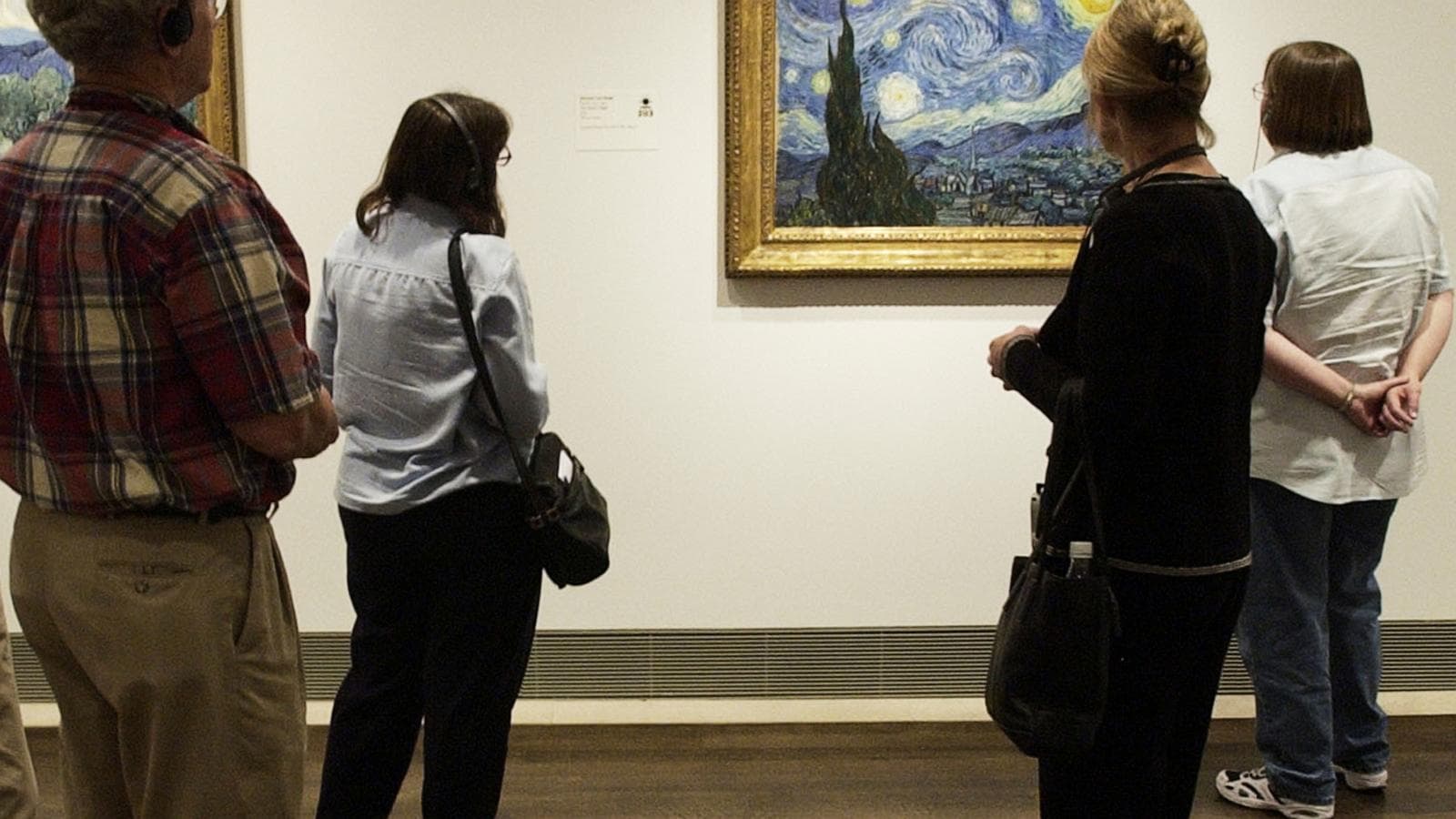
The recent forensic astronomy study led by Elijah Jeong-hyun Kim and his team from SLLAB Inc. and Kyung Hee University proposes a significant shift in the understanding of Vincent van Gogh's The Starry Night. By employing advanced astronomy software, the researchers recreated the dawn skies of 1889, identifying only three specific dates where the celestial bodies depicted in the painting aligned with actual positions observed from van Gogh's asylum window. The optimal match was found on July 22, 1889, where a waning crescent moon appeared above Venus and the Hyades star cluster, closely mirroring the painting's composition.
This study not only challenges the conventional June 1889 dating, which was primarily based on van Gogh's correspondence with his brother Theo, but it also emphasizes the importance of observational accuracy in art. The researchers conducted field visits to Saint-Rémy-de-Provence in 2019 to verify the visibility of the celestial bodies under the weather conditions of that time, reinforcing their findings. They also cross-referenced van Gogh's letters, which mentioned cicadas and the timing of his seizures, to support the hypothesis that the sky he painted was indeed observed rather than purely imagined.
The implications of this study extend beyond just van Gogh's work; it validates the use of forensic astronomy in art historical research, potentially paving the way for similar analyses of other artworks. Experts in the field have noted that while the July date is an intriguing hypothesis, it is not yet universally accepted, and the Museum of Modern Art continues to attribute the painting to June 1889 pending further review. This ongoing debate highlights the dynamic nature of art history, where new methodologies can lead to reevaluations of established narratives.
As the discourse around this study unfolds, it raises questions about the intersection of science and art, and how new technologies can enhance our understanding of historical works. The study's findings may influence how future art historians approach the dating and interpretation of artworks, emphasizing the need for a multidisciplinary perspective that incorporates both artistic intent and scientific verification.
Who feels it first (and how)
- Art historians: They will need to reassess the methodologies used in dating artworks and may adopt forensic astronomy in their analyses.
- Museum curators: Institutions may reconsider how they present and interpret works like The Starry Night, potentially affecting exhibition narratives.
- Collectors and investors: Changes in attribution could impact the valuation of artworks, influencing market dynamics.
What to watch next
- Expert discussions: Keep an eye on ongoing debates among art historians and scientists regarding the validity of the July 22 date and its implications for other artworks.
- Museum responses: Watch for how major art institutions, like the Museum of Modern Art, adjust their attributions and educational materials in light of this study.
- Further studies: Look for additional forensic astronomy studies that may emerge, potentially leading to new insights into other famous artworks.
The study proposes July 22, 1889, as a potential inspiration date for The Starry Night.
The discourse around this study will influence future art historical methodologies and attributions.
How widely accepted the July date will become among art historians and institutions remains to be seen.
Frequently Asked Questions
- Why it matters?
- This research challenges long-held assumptions about the origins of one of the most famous paintings, potentially influencing art valuation and historical scholarship.
- What happened (in 30 seconds)?
- A South Korean research team published a forensic astronomy study proposing July 22, 1889, as the date Vincent van Gogh observed the sky that inspired The Starry Night. The study utilized astronomy software and field verification to match celestial positions with the painting's details, contradicting the previously accepted June 1889 date. Experts are debating the findings, with some praising the interdisciplinary approach while others remain skeptical about the conclusions.
- What's really happening?
- The recent forensic astronomy study led by Elijah Jeong-hyun Kim and his team from SLLAB Inc. and Kyung Hee University proposes a significant shift in the understanding of Vincent van Gogh's The Starry Night. By employing advanced astronomy software, the researchers recreated the dawn skies of 1889, identifying only three specific dates where the celestial bodies depicted in the painting aligned with actual positions observed from van Gogh's asylum window. The optimal match was found on July 22,
- Who feels it first (and how)?
- Art historians: They will need to reassess the methodologies used in dating artworks and may adopt forensic astronomy in their analyses. Museum curators: Institutions may reconsider how they present and interpret works like The Starry Night, potentially affecting exhibition narratives. Collectors and investors: Changes in attribution could impact the valuation of artworks, influencing market dynamics.
- What to watch next?
- Expert discussions: Keep an eye on ongoing debates among art historians and scientists regarding the validity of the July 22 date and its implications for other artworks. Museum responses: Watch for how major art institutions, like the Museum of Modern Art, adjust their attributions and educational materials in light of this study. Further studies: Look for additional forensic astronomy studies that may emerge, potentially leading to new insights into other famous artworks.
Arts, film, music, pop culture, and global entertainment coverage.
"France 24 offers international arts and culture coverage with a European perspective."
— A47 Editor
Scientists turned art detectives date van Gogh's 'Starry Night' to actual night sky in 1889
A team of South Korean researchers has proposed a new date for the night sky depicted in Vincent van Gogh's iconic painting 'The Starry Night', challenging previous assumptions that the scene was a product of the artist's imagination or dated to June...
24/7 international news from a French perspective in multiple languages.
"France 24 is viewed as a globally focused outlet with balanced coverage and a European perspective."
— A47 Editor
Scientists turned art detectives date van Gogh's 'Starry Night' to actual night sky in 1889
A team of South Korean researchers has proposed a new date for the night sky depicted in Vincent van Gogh's iconic painting 'The Starry Night', challenging previous assumptions that the scene was a product of the artist's imagination or dated to June...
Science and technology stories including AI.
"Longstanding science magazine with thoughtful AI coverage."
— A47 Editor
Astronomers unlock a mystery hidden in van Gogh’s The Starry Night
Astronomers have identified a misidentified constellation in Vincent van Gogh’s iconic painting, The Starry Night, which could potentially revise the timeline of its creation. This discovery sheds new light on the celestial elements depicted in the a...
Scientific research, technology, environment, and society.
"Scientific American is one of the oldest and most authoritative science magazines, known for deep dives into science, technology, and society."
— A47 Editor
Astronomers unlock a mystery hidden in van Gogh’s The Starry Night
Astronomers have identified a misidentified constellation in Vincent van Gogh’s iconic painting, The Starry Night, which could potentially revise the timeline of its creation. This discovery sheds new light on the celestial elements depicted in the a...
Technology innovations, startups, and trends.
"ABC News delivers broad national coverage with a mainstream editorial stance, focusing on accessibility and balanced reporting."
— A47 Editor
New study traces van Gogh's famed 'Starry Night' to an actual night sky from 1889
A new study has traced Vincent van Gogh's iconic painting 'The Starry Night' to a specific celestial scene from 1889, suggesting a new date for the artwork. This research highlights the connection between the painting and the actual night sky, provid...
Top international stories selected by The Guardian editors.
"The Guardian is known for its progressive editorial stance and in-depth analysis."
— A47 Editor
Astronomers challenge dating of Van Gogh’s Starry Night
A recent study has challenged the long-held belief that Vincent van Gogh's iconic painting, The Starry Night, was purely a product of the artist's imagination. Researchers suggest that the celestial bodies depicted in the painting correspond to a rea...