
World Bank to Phase Out Lending to China by 2031
Here's what it means for you.
The World Bank's decision to phase out lending to China by 2031 signals a significant shift in global development finance priorities. This move is expected to redirect financial resources to regions that are in greater need of assistance, potentially altering the landscape of international aid. Stakeholders in development finance should prepare for changes in funding dynamics as the World Bank implements this strategy. As the lending cap of $2 billion takes effect, it will be crucial for countries reliant on World Bank support to reassess their financial strategies. The implications of this decision may resonate beyond China, influencing how other nations engage with the World Bank and seek funding for their development projects.
What happened
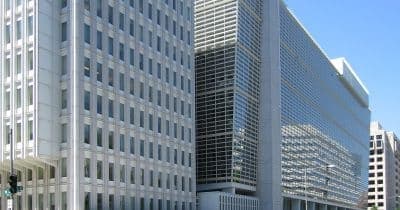
The World Bank has announced plans to gradually cease lending to China by 2031. This decision comes after years of pressure from the United States, particularly during the Trump administration. The World Bank will implement a lending cap of $2 billion to China until the phase-out is complete, marking a significant reduction in financial support.
This strategic shift is expected to impact global development finance dynamics by reallocating resources to other regions that require more assistance. The timeline for this transition has been set, with the lending cap confirmed to take effect starting July 1, 2026.
The Context
The decision to phase out lending to China reflects a broader geopolitical landscape influenced by U.S. policy. The World Bank's move is seen as a response to the changing priorities in international development finance, where resources may be redirected to countries facing greater economic challenges.
As the World Bank transitions away from China, it will be essential to monitor how this affects China's development projects and its international relations. The implications of this decision extend beyond financial support, potentially reshaping alliances and partnerships in the global arena.
Takeaway
Looking ahead, it will be important to observe how the World Bank's decision impacts China's development initiatives and its relationships with other countries. Stakeholders should also watch for potential responses from other nations regarding their own lending agreements with the World Bank.
As the financial landscape evolves, the shift in lending priorities may lead to new opportunities for countries in need of development assistance. The broader dynamics of international financial support will likely be influenced by this significant change in the World Bank's strategy.
Pan-Arab news coverage spanning politics, business, sports, and regional affairs.
"Asharq Al-Awsat reflects a broad Arab editorial perspective with strong attention to regional geopolitics."
— A47 Editor
البنك الدولي يعتزم التوقف تدريجياً عن إقراض الصين
The World Bank plans to gradually cease lending to China by 2031, according to informed sources. This decision marks a significant shift in the bank's financial relationship with one of the world's largest economies.
Research, news, and analysis on blockchain startups, DeFi, and regulations.
"Crypto Briefing provides research, news, and analysis on blockchain startups, DeFi, and crypto regulations with investor-focused coverage."
— A47 Editor
World Bank plans $2B lending limit to Beijing through 2031
The World Bank has announced a lending cap of $2 billion to China, effective through 2031, indicating a strategic shift in its focus towards regions with greater financial needs. This decision may alter the dynamics of global development finance, par...
Macro commentary, policy analysis, growth/inflation themes, and global outlooks.
"Contextual macro coverage that complements day-to-day market headlines."
— A47 Editor
World Bank to end China lending by 2031, FT reports
The World Bank has announced plans to end its lending to China by 2031, marking a significant shift in its financial relationship with the country. This decision comes amid ongoing discussions about the role of international financial institutions in...
Editor-curated FT homepage stories spanning markets, business, world, and opinion.
"The Financial Times is a globally respected business publication with a centrist/center-left tone and strong markets focus."
— A47 Editor
World Bank to phase out China lending
The World Bank has announced plans to phase out lending to China, a decision influenced by sustained pressure from the Trump administration over the past years. This shift marks a significant change in the relationship between the global development ...