
Major Companies Resume Hiring Amid AI Integration Concerns
What happened
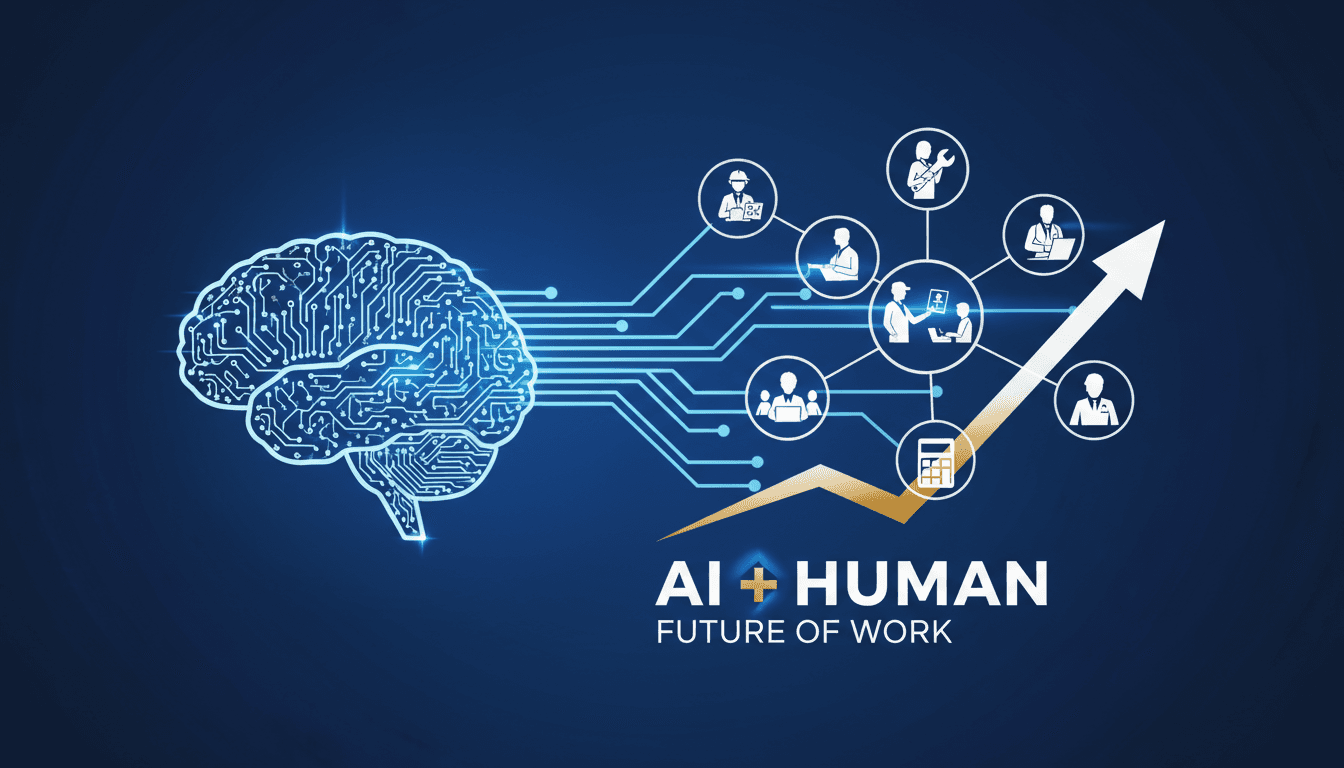
After a year of hesitance in hiring due to fears that AI would replace jobs, major companies are now actively seeking to expand their workforce. This shift comes as businesses recognize the necessity of human workers to complement AI technologies. Companies from sectors such as technology, transportation, and defense are leading this hiring resurgence.
Executives have emphasized the importance of human involvement alongside AI, indicating a change in perspective regarding the relationship between technology and the workforce. The renewed hiring efforts mark a significant turnaround from the previous year, during which recruitment was significantly slowed.
The Context
The hiring resurgence follows a year-long pause in recruitment driven by concerns over AI's potential to displace jobs. As companies faced uncertainty about the future of work, many opted to reduce hiring efforts. However, the current trend reflects a growing recognition that human skills remain essential in a technology-driven environment.
This shift is particularly relevant as businesses adapt to the integration of AI, which is changing work processes but not eliminating the need for human workers. The evolving dynamics of the labor market suggest that companies are beginning to prioritize collaboration between human employees and AI systems.
Takeaway
Looking ahead, the labor market is likely to continue integrating AI technologies, with an increasing emphasis on the collaboration between human workers and AI systems. This could lead to the emergence of new job roles and training opportunities designed to accommodate the evolving landscape.
Monitoring hiring trends in sectors heavily impacted by AI will be crucial in understanding the future of work. Additionally, changes in workforce training programs may arise as companies seek to equip employees with the skills necessary to thrive alongside AI.
Global business headlines with AI angles.
"General business outlet that frequently covers AI."
— A47 Editor
Big Companies Are Hiring Again Despite AI Fears. They Say Human Involvement Is Still Essential
Big companies are resuming hiring after a period of slowed recruitment, with executives emphasizing the continued necessity of human involvement in the workforce despite advancements in artificial intelligence (AI). This shift indicates a positive ou...
U.S. business news, corporate developments, and economy.
"The Wall Street Journal is respected for deep financial and economic reporting with a center-right editorial perspective."
— A47 Editor
Big Companies Are Starting to Hire Again, Defying Predictions of AI Wipeout
Big companies across various sectors, including technology and transportation, are beginning to hire again after a year of restraint, indicating a shift in workforce strategy as they seek to integrate artificial intelligence (AI) into their operation...
Tech business coverage, major deals, product launches, and Silicon Valley trends.
"WSJ’s tech section offers authoritative reporting on the intersection of technology and business, including exclusive industry analysis."
— A47 Editor
Big Companies Are Starting to Hire Again, Defying Predictions of AI Wipeout
Big companies across various sectors, including technology, transportation, and defense, are beginning to hire again after a year of cautiousness, indicating a need for human workers to complement artificial intelligence (AI) systems.