
US Federal Reserve holds interest rates steady amid rising government borrowing costs
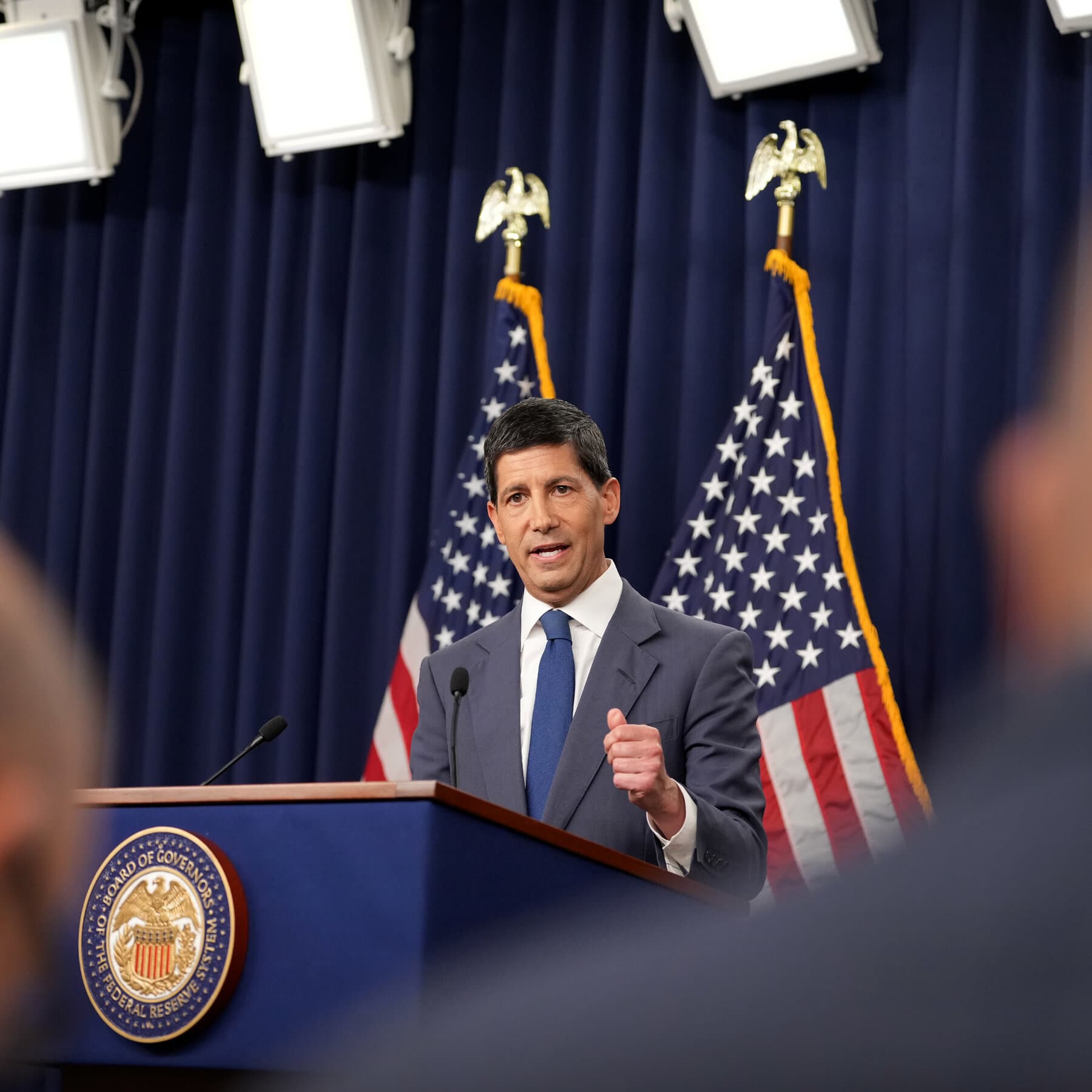
Here's what it means for you.
The Federal Reserve's decision to maintain interest rates has significant implications for investors and the broader economy. With government borrowing costs reaching a 19-year high, concerns about inflation and economic stability are mounting. This environment may lead to increased market volatility, prompting investors to closely monitor economic indicators and potential shifts in monetary policy. As inflation remains above the Fed's target, the central bank's approach will be critical in shaping market expectations and investor strategies. Stakeholders should prepare for potential adjustments in response to ongoing geopolitical tensions, particularly the conflict in Iran.
What happened
The Federal Reserve voted to keep interest rates steady, a decision that has resulted in a notable spike in US government borrowing costs. This increase marks the highest level since 2007, raising alarms among investors regarding inflation control. Following the announcement, major stock indices experienced significant declines, with the S&P 500 falling by 1.5%, the Dow Jones by 2.2%, and the Nasdaq by 1.7%.
The yield on the benchmark 10-year Treasury note also rose sharply, climbing nearly 27 basis points in July. Fed Chair Kevin Warsh emphasized a data-driven approach to monetary policy, indicating that the central bank is closely monitoring economic conditions as they evolve.
The Context
The current inflation rate in the US stands at 3.5%, still above the Federal Reserve's target of 2%. This persistent inflation, coupled with geopolitical tensions, particularly the ongoing conflict in Iran, is contributing to inflationary pressures that complicate the Fed's decision-making process. Investors are increasingly concerned about the Fed's ability to manage these challenges effectively.
The decision to hold interest rates steady comes at a time when market participants are anxious about the implications of rising borrowing costs on economic growth. The Fed's communication strategy will be crucial as it navigates these turbulent waters, and stakeholders are keenly aware of the potential for further rate hikes in the near future.
Takeaway
Looking ahead, investors should remain vigilant as the Federal Reserve's new communication strategy may lead to increased market volatility. The potential for a rate hike in September looms large, especially if inflation concerns persist. Additionally, developments in the US-Iran conflict could further impact energy prices and economic stability.
As the Fed grapples with a complex economic landscape, monitoring economic indicators will be essential for making informed investment decisions. Stakeholders must prepare for potential shifts in monetary policy that could arise from ongoing geopolitical and economic challenges.
Stock market news, investing ideas, and trading analysis.
"TheStreet provides market news and retail-investor-focused analysis."
— A47 Editor
Fed interest-rate decision rocks Wall Street's inflation fears
The Federal Reserve concluded its July meeting without raising interest rates or providing forward guidance, despite ongoing inflation concerns. Chairman Kevin Warsh emphasized the Fed's commitment to achieving a 2% inflation target, which has not be...
News from the United States including domestic politics, society, and culture.
"The Guardian is known for its progressive editorial stance and in-depth analysis, often advocating for social justice, environmental issues, and liberal values."
— A47 Editor
First Thing: US government borrowing costs hit new high as strikes on Iran resume
US government borrowing costs have reached their highest level since 2007 following the Federal Reserve's decision to maintain its key interest rate steady amid rising inflation concerns. This decision has led to significant declines in stock markets...
International coverage from The Guardian's global desks.
"The Guardian is known for its progressive editorial stance and in-depth analysis."
— A47 Editor
First Thing: US government borrowing costs hit new high as strikes on Iran resume
US government borrowing costs have reached their highest level since 2007 following the Federal Reserve's decision to maintain its key interest rate steady amid rising inflation concerns. This decision has led to significant declines in stock markets...
Editor-curated FT homepage stories spanning markets, business, world, and opinion.
"The Financial Times is a globally respected business publication with a centrist/center-left tone and strong markets focus."
— A47 Editor
US borrowing costs hit 19-year high as Fed defies inflation fears
US borrowing costs have surged to a 19-year high as the Federal Reserve opted to maintain interest rates despite rising inflation fears linked to the ongoing conflict in Iran. This decision has left investors anxious about potential future rate hikes...
Business, markets, economy, and corporate news with strong UAE and regional relevance.
"Emirates 24|7 business coverage tends to center UAE markets, property, regulation, and regional economic developments."
— A47 Editor
Fed's 'hawkish hold' clouds outlook for stocks and bonds
The US Federal Reserve has opted to keep interest rates steady in a range of 3.50% to 3.75%, a decision that has not alleviated market concerns. This 'hawkish hold' was marked by three dissents among policymakers, indicating potential future rate inc...
Markets, economy, and company analysis from NYT’s business desk.
"The New York Times is a globally recognized newspaper offering authoritative reporting with a center-left editorial stance."
— A47 Editor
Government Borrowing Cost Hits Two-Decade High After Fed Rate Decision
Government borrowing costs have reached a two-decade high following the Federal Reserve's decision to maintain interest rates steady, as indicated by rising Treasury yields. This decision, made under the leadership of Chairman Kevin Warsh, reflects i...
Markets desk coverage, trading insights, and investor updates.
"WSJ’s markets reporting provides in-depth analysis and context for investors."
— A47 Editor
Warsh’s Posture on Interest Rates Sparks Market Inflation Fears
The Dow Jones Industrial Average fell by more than 2% following comments from Federal Reserve Chairman Kevin Warsh, who indicated that rising bond yields have already increased borrowing costs, raising concerns about inflation.