
U.S. Treasury yields decline amid optimism for Iran deal and falling oil prices
Here's what it means for you.
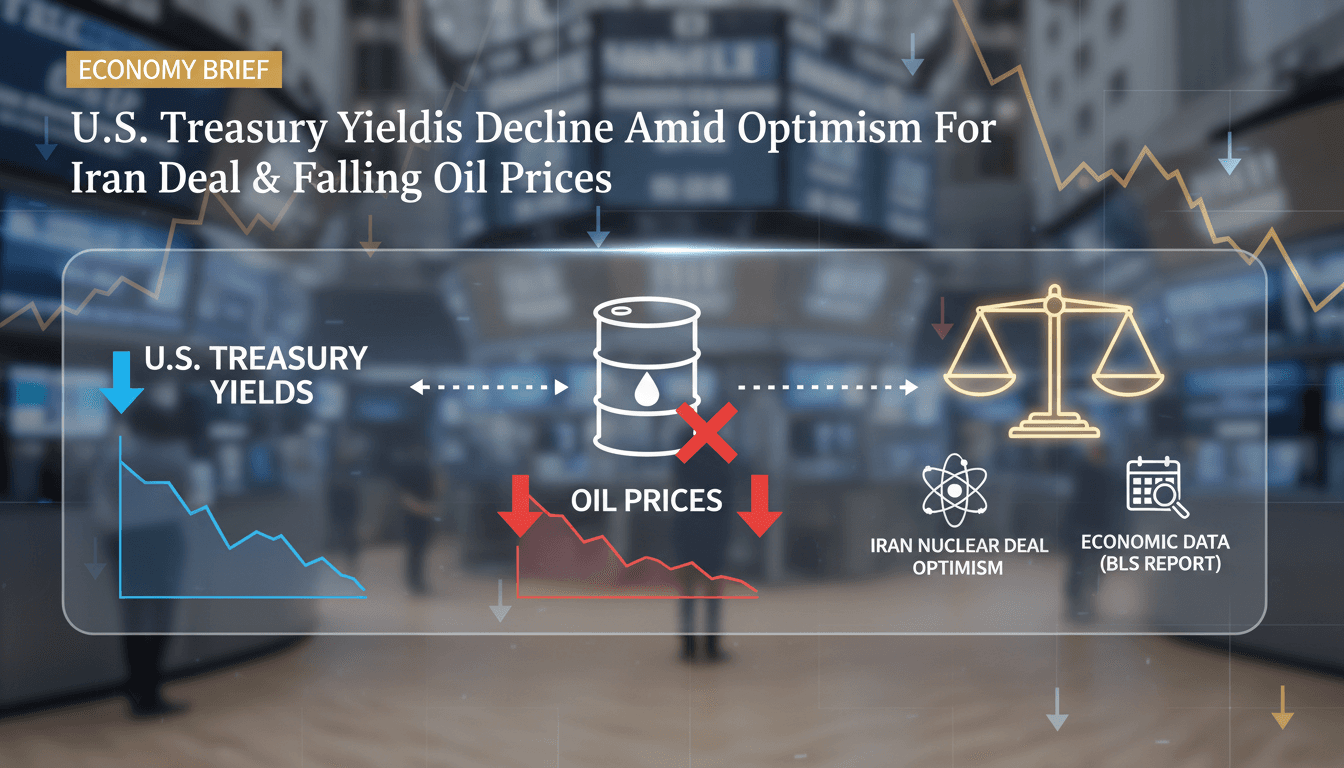
The recent decline in U.S. Treasury yields signals a shift in investor sentiment, driven by optimism surrounding potential negotiations with Iran. This development, coupled with falling oil prices, suggests a broader market reaction that could influence economic stability. As key economic indicators are on the horizon, market participants are poised to react to these unfolding events. Investors are closely monitoring the situation, as the outcome of the Iran deal could have significant implications for both geopolitical dynamics and market performance. The upcoming employment report from the Bureau of Labor Statistics will further shape expectations and sentiment in the financial landscape.
What happened
U.S. Treasury yields have decreased, reflecting growing hopes for a potential deal with Iran. This decline coincides with a drop in oil prices, indicating a broader market response to geopolitical developments. On August 4, 2026, Treasury yields fell by 0.5%, showcasing a shift in investor confidence.
As market participants await significant economic indicators, including the employment report from the Bureau of Labor Statistics, the atmosphere remains charged with anticipation. The interplay between these factors is crucial for understanding current market dynamics.
The Context
The drop in Treasury yields is closely tied to investor sentiment regarding geopolitical developments, particularly the negotiations with Iran. The decline in oil prices further underscores the market's reaction to these potential changes. As the U.S. economic landscape is being closely monitored, significant reports are expected soon, which could influence market stability.
Stakeholders, including policymakers and investors, are keenly aware of how these negotiations may unfold. The timing of the employment report adds another layer of complexity, as it could impact decisions made by market participants in the near term.
Takeaway
Looking ahead, market participants will continue to monitor developments regarding the Iran deal and the upcoming employment report. These factors are likely to shape investor sentiment and market stability in the coming days. As negotiations progress, the potential for shifts in economic indicators will remain a focal point for analysts and investors alike.
The interplay between geopolitical events and economic data will be critical in determining market reactions. Stakeholders should remain vigilant as these developments unfold.
Markets desk coverage, trading insights, and investor updates.
"WSJ’s markets reporting provides in-depth analysis and context for investors."
— A47 Editor
Treasury Yields Fall on Hopes for Iran Deal
Treasury yields have decreased as optimism surrounding a potential deal between the U.S. and Iran grows, coinciding with a busy day of U.S. economic indicators and the upcoming employment report from the Bureau of Labor Statistics.
Macro commentary, policy analysis, growth/inflation themes, and global outlooks.
"Contextual macro coverage that complements day-to-day market headlines."
— A47 Editor
U.S. Treasury yields drop as oil falls on Iran deal hopes
U.S. Treasury yields have decreased as oil prices fell, driven by optimism surrounding potential diplomatic negotiations between the U.S. and Iran. This shift follows former President Trump's decision to cancel planned military strikes against Iran, ...
Macro commentary, policy analysis, growth/inflation themes, and global outlooks.
"Contextual macro coverage that complements day-to-day market headlines."
— A47 Editor
Treasury yields drop as oil falls on Iran deal optimism
U.S. Treasury yields have decreased as oil prices fell, driven by optimism surrounding potential diplomatic negotiations between the U.S. and Iran. This shift follows former President Trump's decision to cancel planned military strikes against Iran, ...