
U.S. stocks rise as weak jobs report fuels speculation against interest rate hike
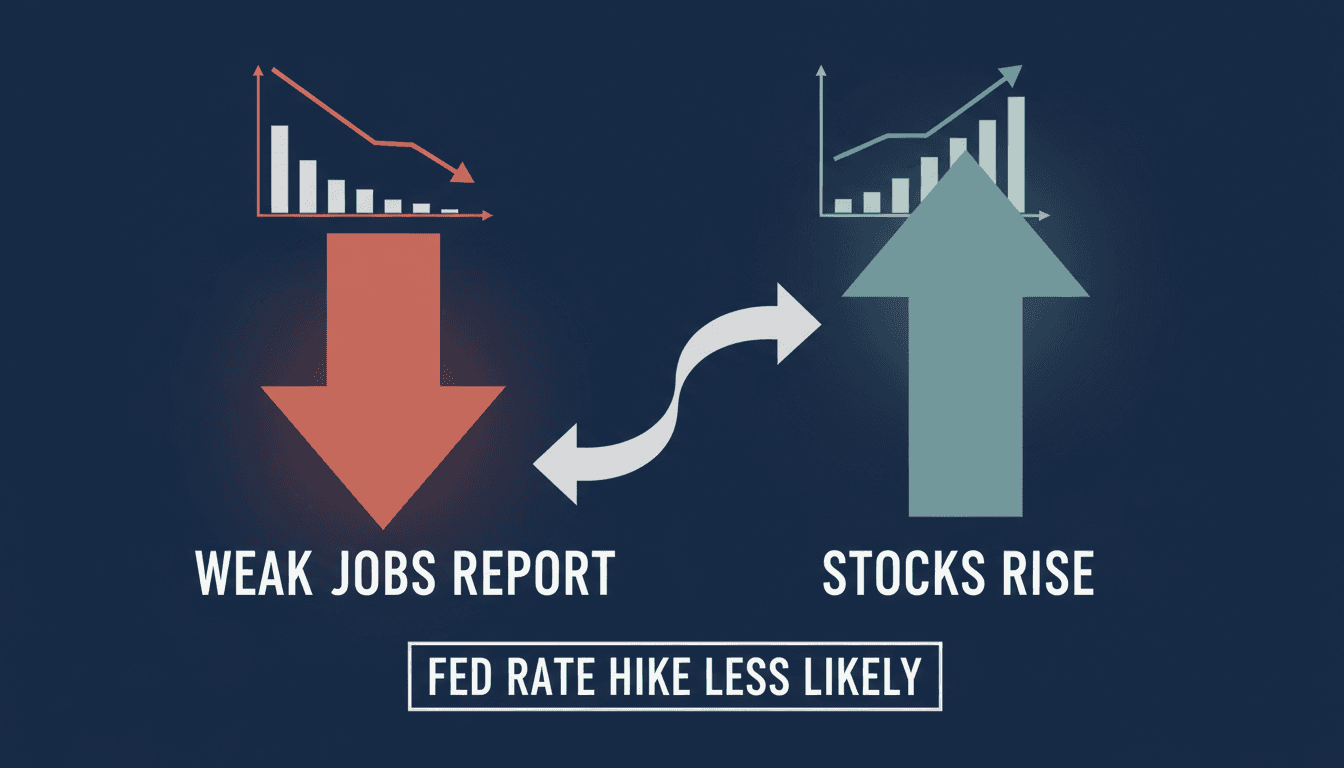
Here's what it means for you.
The recent jobs report has shifted market expectations, suggesting that the Federal Reserve may hold off on raising interest rates in September. This development is significant for investors as it influences their strategies and positions in the stock market. With the potential for a stable interest rate environment, market participants may feel more confident in their investments. As traders reassess their outlooks, the focus will now turn to upcoming economic indicators that could further inform the Fed's monetary policy. The interplay between economic data and market sentiment will be crucial in the coming weeks.
What happened
U.S. stocks and short-term Treasuries experienced gains following a weaker-than-expected jobs report for July. This disappointing report has led to increased speculation that the Federal Reserve will refrain from raising interest rates next month. The July payroll data was significantly weaker than anticipated, prompting traders to adjust their expectations regarding future rate hikes.
On August 7, 2026, the financial markets reacted positively to the news, with stocks climbing and Treasuries rallying. This marks the largest weekly rally in short-term Treasuries since May, indicating a notable shift in investor sentiment.
The Context
The release of the July jobs report has had a considerable impact on financial markets, highlighting the sensitivity of these markets to economic data. Stakeholders, including traders and investors, are closely monitoring the implications of this report on the Federal Reserve's monetary policy. The current expectation of no interest rate hike in September reflects a broader reassessment of economic conditions.
As traders adjust their expectations, the focus will be on upcoming economic reports and statements from Federal Reserve officials. These elements will play a crucial role in shaping market sentiment and investment strategies moving forward.
Takeaway
Market participants will closely monitor upcoming economic data for further indications of the Fed's monetary policy direction. The interplay between economic indicators and the Fed's decisions will be pivotal in determining market trends. As the situation evolves, traders will be looking for signals that could influence their investment strategies.
In the near term, statements from Federal Reserve officials will also be critical in shaping expectations around interest rates. The financial landscape remains dynamic, and upcoming reports will be essential in guiding market sentiment.
Markets desk coverage, trading insights, and investor updates.
"WSJ’s markets reporting provides in-depth analysis and context for investors."
— A47 Editor
U.S. Stocks Rise as Rate-Hike Odds Fall on Weak Jobs Report
U.S. stocks experienced a notable rise on Friday, following the release of July payroll data that revealed unexpectedly weak job growth, which may prompt the Federal Reserve to reconsider its plans for interest rate hikes next month.
Global business headlines with AI angles.
"General business outlet that frequently covers AI."
— A47 Editor
A Weak Jobs Report Boosted Bets That The Fed Won't Hike Rates In September. Stocks Climbed.
Stocks experienced a notable increase on Friday, following an unexpectedly weak jobs report that raised expectations that the Federal Reserve will not raise interest rates in September. This development reflects traders' concerns about economic growt...
Global business headlines with AI angles.
"General business outlet that frequently covers AI."
— A47 Editor
The Jobs Report Surprised To The Downside. Bets That The Fed Won't Hike Rates In September Are Up
Following a disappointing jobs report, traders have increased their bets that the Federal Reserve will refrain from raising interest rates in September, reflecting concerns over economic growth.
Global markets, investing, and macroeconomics from a premier financial newsroom.
"Bloomberg is respected for in-depth financial reporting and data-driven analysis."
— A47 Editor
Short-Term Treasuries Cap Biggest Weekly Rally Since May on Data
US Treasuries experienced their largest weekly rally since May, driven by an unexpectedly weak July employment report that led traders to lower expectations for Federal Reserve interest rate hikes. This shift in sentiment reflects a cautious optimism...