
Historic Low Fertility Rates in Maghreb Region Raise Concerns Over Aging Population
What happened
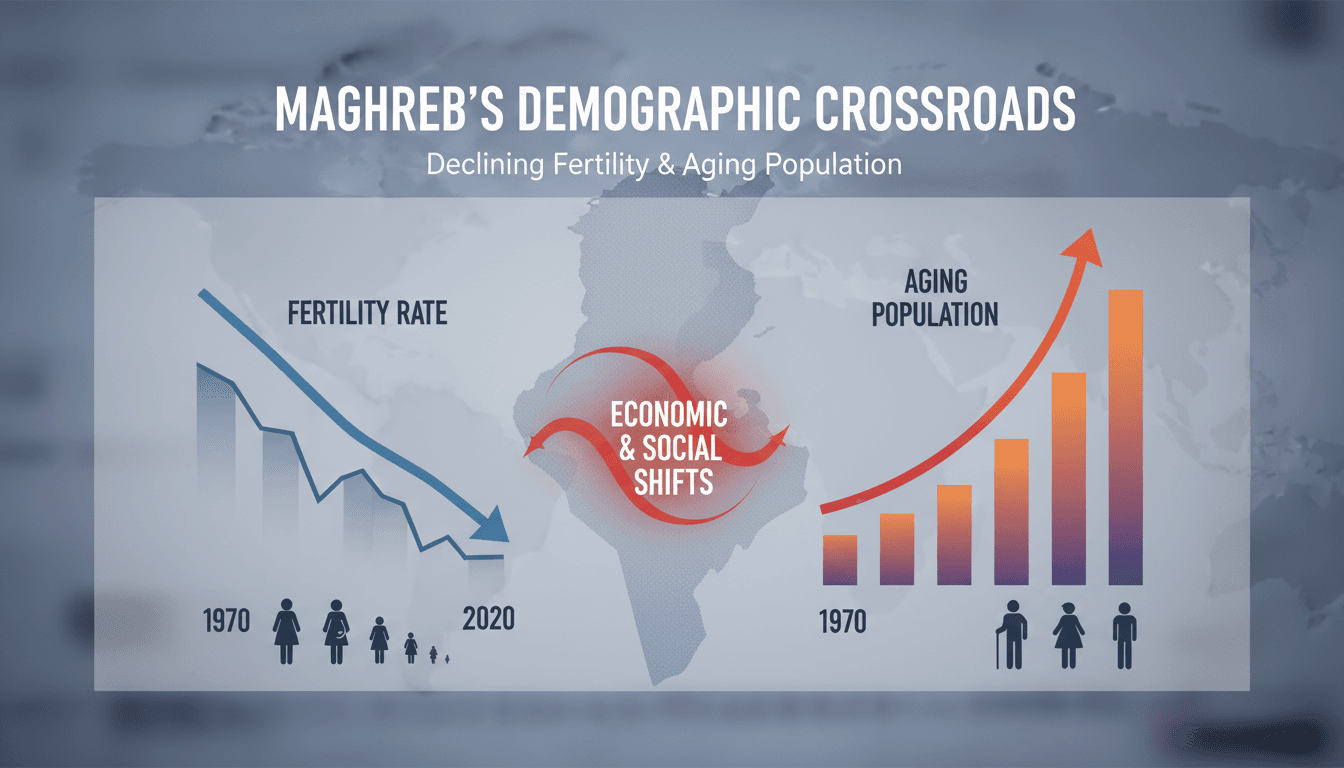
Fertility rates in the Maghreb region have reached historic lows, raising alarms about the future demographic composition. This decline is primarily driven by economic pressures that compel couples to have fewer children. Additionally, changing social norms are influencing family planning decisions, with a growing emphasis on personal fulfillment over traditional family roles.
Experts predict that these demographic changes will continue, potentially leading to an aging population that could strain social services and economic resources in the coming decades.
The Context
The decline in fertility rates is a reflection of broader economic and social trends affecting the Maghreb region. Economic challenges have made raising children more difficult, prompting couples to reconsider their family size. As societal values shift, there is a noticeable move away from conventional family structures, which further contributes to this demographic transformation.
This situation is critical for policymakers and social planners, as the implications of an aging population could affect everything from labor markets to healthcare systems. Understanding these dynamics is essential for developing effective strategies to support families and ensure social stability.
Takeaway
The ongoing decline in fertility rates in the Maghreb region may lead to significant socio-economic challenges in the future. Policymakers will need to monitor these trends closely and consider proactive measures to address the implications of an aging population. Observing shifts in social attitudes towards family and child-rearing will also be crucial in shaping future policies.
As the region navigates these demographic changes, it will be vital for governments to implement strategies that foster a supportive environment for families while addressing the potential economic impacts of an aging populace.
Pan-Arab political news and analysis.
"Al-Quds Al-Arabi is a London-based Arabic newspaper known for political coverage."
— A47 Editor
خيار عدم الإنجاب يطلق تحولا ديموغرافيا عميقا في المغرب العربي
Countries in the Maghreb region, including Tunisia, Algeria, and Morocco, are experiencing an unprecedented decline in birth rates due to economic factors and social transformations, with many individuals opting for a more peaceful lifestyle. This de...
Pan-Arab news coverage spanning politics, business, sports, and regional affairs.
"Asharq Al-Awsat reflects a broad Arab editorial perspective with strong attention to regional geopolitics."
— A47 Editor
التحولات الاجتماعية تهدد تونس والمغرب والجزائر بالشيخوخة
Social transformations are posing a significant threat to Tunisia, Morocco, and Algeria, leading to concerns about an aging population in these countries. The article highlights the negative implications of these demographic changes, which could impa...
Regional coverage and analysis focused on politics, diplomacy, and business across the Middle East.
"Al-Monitor is known for analytical reporting on Middle East politics and policy developments."
— A47 Editor
Maghreb sees demographic shift with fertility at historic low
Recent studies indicate that fertility rates in the Maghreb region, specifically Tunisia, Morocco, and Algeria, have reached historic lows, driven by economic pressures and shifting social norms among couples.