
WSJ Dollar Index declines as Fed rate hike expectations ease
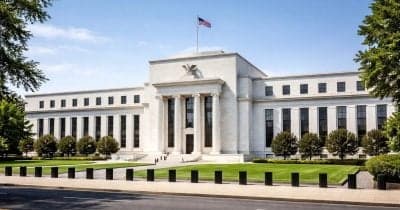
What happened
The WSJ Dollar Index has experienced a decline of 0.1% over the past two days, currently standing at 95.96. This drop is attributed to reduced expectations for a Federal Reserve interest rate hike, which has positively influenced various global currencies. Emerging market currencies have notably strengthened as a result of this shift in sentiment.
On August 17, 2026, the index fell, reflecting a broader trend in the currency markets. As risk appetite increases among investors, emerging market currencies are gaining traction, further highlighting the impact of the Fed's cautious stance.
The Context
The WSJ Dollar Index serves as a benchmark for the strength of the U.S. dollar against a basket of currencies. The current decline is significant as it indicates a shift in global currency dynamics, particularly benefiting emerging markets. Investors are closely monitoring the Federal Reserve's decisions, as these will influence currency markets and overall economic sentiment.
Emerging market currencies, particularly those in Latin America and Asia, are responding positively to the easing of Fed rate hike expectations. This trend is crucial for stakeholders, as it reflects changing risk appetites and potential investment opportunities in these regions.
Takeaway
The outlook for emerging market currencies remains optimistic as long as the Federal Reserve maintains its cautious approach to interest rates. Investors should keep an eye on upcoming Federal Reserve announcements, as these could have significant implications for currency markets. Additionally, monitoring developments in global risk appetite will be essential in understanding the ongoing strength of emerging market currencies.
As the market sentiment shifts, the potential for continued strength in these currencies could present new opportunities for investors looking to diversify their portfolios.
Markets desk coverage, trading insights, and investor updates.
"WSJ’s markets reporting provides in-depth analysis and context for investors."
— A47 Editor
WSJ Dollar Index Falls 0.07% to 95.96
The WSJ Dollar Index has decreased by 0.1%, settling at 95.96, marking a decline for two consecutive trading days. This downturn follows a period of fluctuating performance for the index, which had recently seen minor increases.
Currency market headlines, FX rates, central-bank chatter, and macro drivers moving major pairs.
"Investing.com’s forex stream is useful for fast updates across USD, EUR, JPY, GBP and emerging-market FX."
— A47 Editor
Latin American currencies gain as Fed rate hike bets ease
Latin American currencies have strengthened as expectations for interest rate hikes by the Federal Reserve have diminished, reflecting a positive shift in market sentiment. This development is attributed to recent U.S. economic data that has aligned ...
Global markets, investing, and macroeconomics from a premier financial newsroom.
"Bloomberg is respected for in-depth financial reporting and data-driven analysis."
— A47 Editor
EM Currencies Rise on Softer Dollar and Stronger Risk Appetite
An index tracking developing-world currencies rose as the U.S. dollar weakened, driven by diminishing expectations for a Federal Reserve interest-rate hike next month, which has bolstered risk appetite among investors.
Research, news, and analysis on blockchain startups, DeFi, and regulations.
"Crypto Briefing provides research, news, and analysis on blockchain startups, DeFi, and crypto regulations with investor-focused coverage."
— A47 Editor
Asian currencies strengthen as Fed rate hike expectations diminish
Asian currencies have strengthened as expectations for a Federal Reserve interest rate hike have diminished, potentially boosting investor confidence in these markets. This shift may also positively impact gold prices, as investors seek safe-haven as...