
Germany's industrial output rises for the first time since the Iran war began
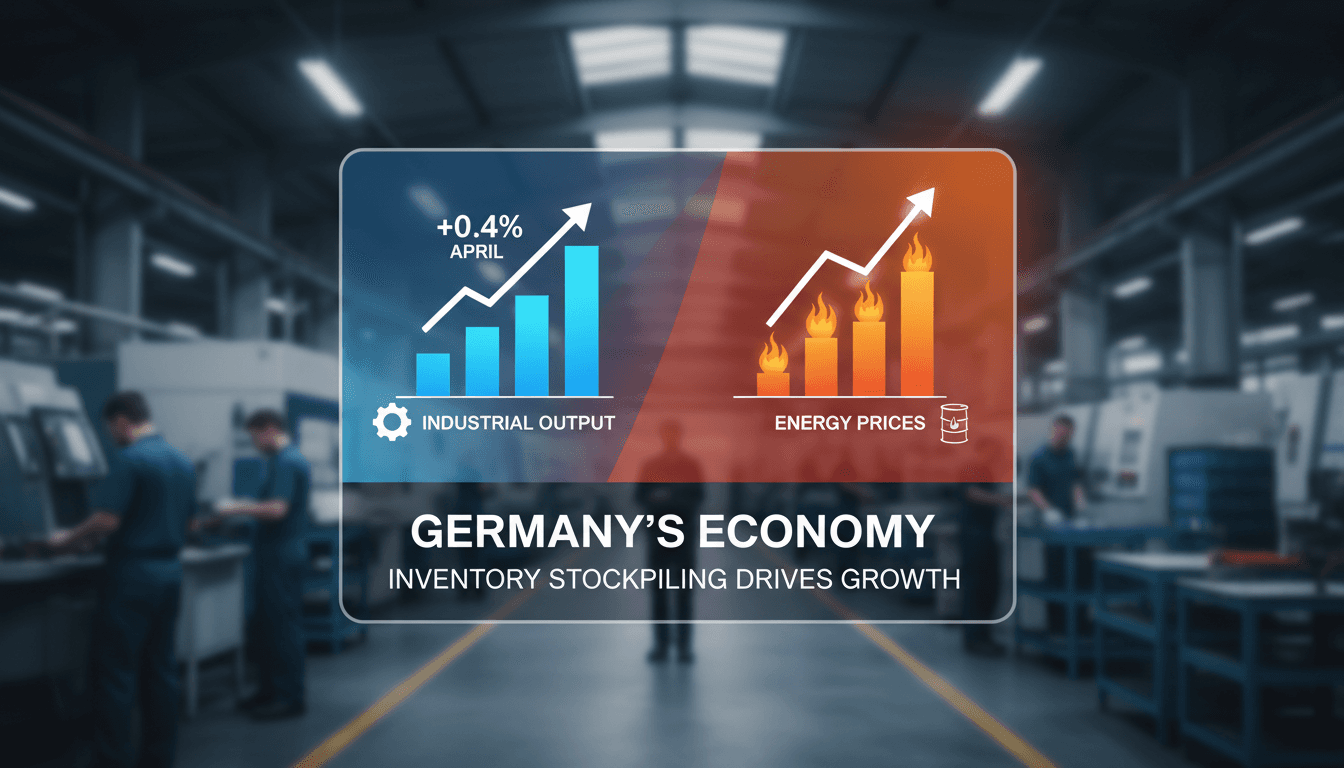
Here's what it means for you.
The recent increase in Germany's industrial output signals a potential shift in the economic landscape, particularly as firms adapt to rising energy costs. This development may provide a foundation for stability in Europe's largest economy, which has faced significant challenges due to geopolitical tensions. Stakeholders should monitor this trend closely, as sustained growth could influence market confidence and policy decisions.
What happened
German industrial production rose by 0.4% in April, marking the first increase since the onset of the war in Iran. This uptick is attributed to a rise in new orders as companies prepare for anticipated higher energy prices. The growth reflects a proactive approach by firms to stockpile inventory in response to changing market conditions.
This increase is significant as it highlights a potential turning point for the German economy, which has been under pressure from external factors. The rise in output could indicate resilience amidst ongoing geopolitical challenges.
The Context
The increase in industrial output is the first since the war in Iran began, underscoring the impact of global events on local economies. Companies are responding to the uncertainty by stockpiling inventory, which may help mitigate the effects of rising energy costs. This proactive strategy suggests that businesses are preparing for a more volatile economic environment.
The situation is critical for Germany, as its industrial sector plays a vital role in the overall economy. The ability of firms to adapt to these challenges will be essential in determining the future trajectory of economic growth.
Takeaway
If the upward trend in industrial output continues, it may indicate a stabilization of the German economy despite rising energy costs. Future reports on industrial production will be crucial in assessing whether this growth is sustainable. Stakeholders should keep an eye on developments in energy prices and their potential impact on production levels.
The outlook for Germany's industrial sector hinges on the ability of firms to manage costs effectively while navigating the complexities of the current geopolitical landscape. Continued monitoring of these trends will provide insights into the long-term implications for the economy.
Social/economic commentary and analysis relevant to business and markets.
"WSJ blends data-driven economic insight with commentary on policy and society."
— A47 Editor
German Industrial Output Rises For First Time Since November Despite War
German industrial output saw a slight rebound in April, marking the first increase since November, driven by a rise in new orders as companies prepared for anticipated higher energy costs linked to ongoing conflicts in the Middle East.
Global political, business, and cultural coverage from WSJ international desks.
"The Wall Street Journal offers extensive international reporting with a reputation for financial insight and a center-right editorial stance."
— A47 Editor
German Industrial Output Rises for First Time Since November Despite War
German industrial output saw a slight rebound in April, marking the first increase since November, driven by a rise in new orders as companies prepared for anticipated higher energy prices linked to ongoing conflicts in the Middle East.
Key macro releases (CPI, jobs, PMIs), surprise indexes, and market implications.
"Great for data-print awareness and instant read-through to rates and risk assets."
— A47 Editor
Germany’s industrial output climbs 0.4% in April
Germany's industrial output increased by 0.4% in April 2026, reflecting a modest recovery in the manufacturing sector after a challenging period marked by fluctuations in industrial orders and output. This rise comes amid ongoing economic uncertainti...
Global markets, investing, and macroeconomics from a premier financial newsroom.
"Bloomberg is respected for in-depth financial reporting and data-driven analysis."
— A47 Editor
German Industry Output Sees First Gain Since Iran War Began
German industrial production has recorded its first increase since the onset of the war in Iran, indicating a potential resilience in Europe's largest economy amidst rising energy costs.