
Federal Reserve Maintains Interest Rates Amid Internal Divisions
Here's what it means for you.
The Federal Reserve's decision to keep interest rates steady signals a cautious approach to monetary policy under new Chair Kevin Warsh. This stability may provide some reassurance to markets, but ongoing internal divisions within the Federal Open Market Committee (FOMC) could lead to volatility in future meetings. Investors and policymakers alike will need to stay alert to shifts in economic indicators that may influence the Fed's stance on inflation. As the Fed emphasizes its commitment to a 2% inflation target, the implications for borrowing costs and economic growth remain significant. Stakeholders should prepare for potential adjustments in fiscal strategies as the central bank navigates these complexities.
What happened
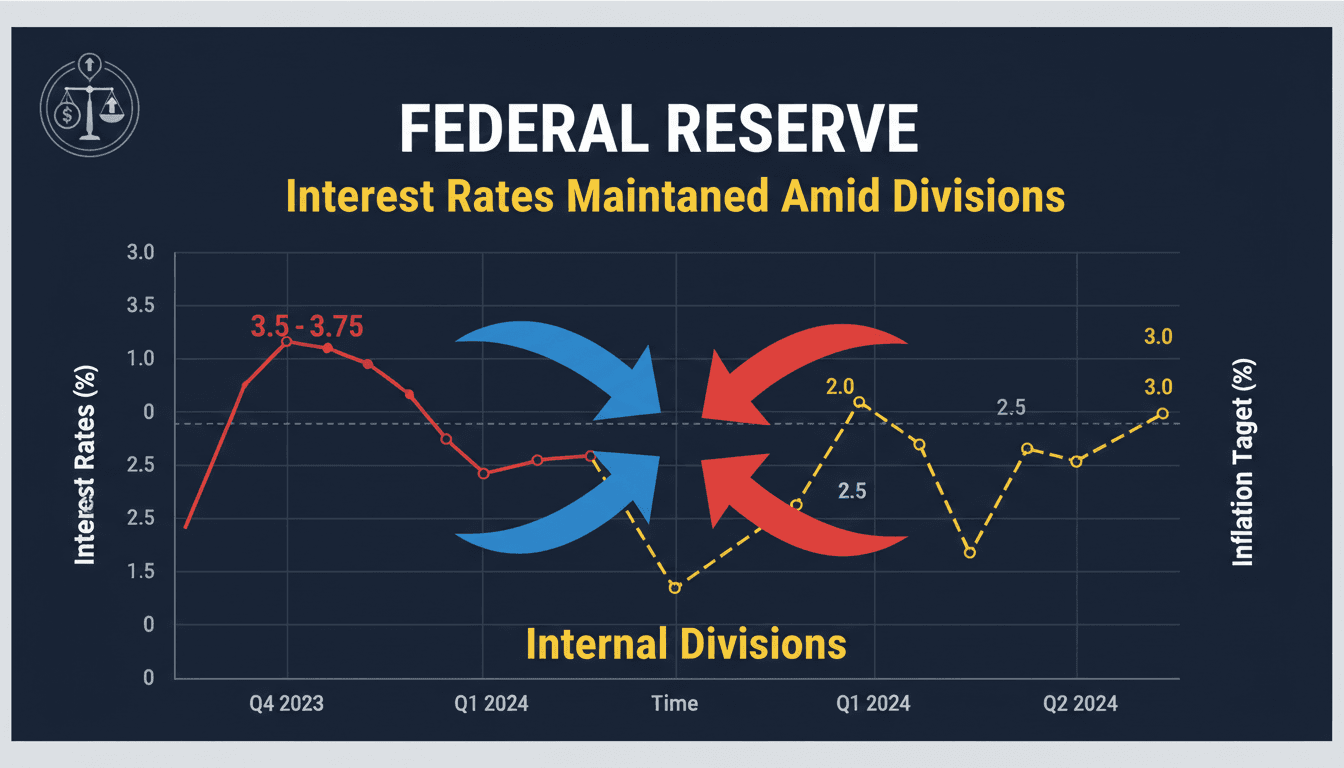
The Federal Reserve held interest rates steady at a range of 3.5% to 3.75% during Chair Kevin Warsh's inaugural meeting. This decision marks a departure from previous divided votes within the FOMC, as the latest decision was unanimous. Warsh's leadership emphasizes a commitment to a strict 2% inflation target, moving away from the previous practice of forward guidance.
The decision reflects ongoing internal disagreements regarding the future direction of monetary policy. As the Fed grapples with these divisions, the implications for interest rates and inflation management remain uncertain.
The Context
Kevin Warsh has recently taken over as the new chair of the Federal Reserve, stepping into a role that carries significant influence over the U.S. economy. The FOMC's unanimous decision contrasts with earlier meetings that featured contentious votes, highlighting a shift in dynamics under Warsh's leadership. His focus on a 2% inflation target is a critical benchmark that will guide future policy discussions.
The backdrop of this meeting includes a complex economic landscape, where inflation management is a pressing concern. As the Fed navigates these challenges, the decisions made in upcoming meetings will be pivotal for both the economy and market stability.
Takeaway
The Federal Reserve's future policy direction remains uncertain as internal disagreements persist within the FOMC. Observers should monitor upcoming meetings closely, as they may reveal shifts in interest rate policy that could impact economic conditions. Additionally, economic indicators will play a crucial role in shaping the Fed's approach to inflation management.
As the central bank continues to address these complexities, stakeholders must remain vigilant and adaptable to potential changes in monetary policy.
Global markets, investing, and macroeconomics from a premier financial newsroom.
"Bloomberg is respected for in-depth financial reporting and data-driven analysis."
— A47 Editor
Warsh Says FOMC Had 'Good Family Fight' on Fed Policy as Rates Stay Steady
During his inaugural meeting as chair of the Federal Reserve, Kevin Warsh announced that the Federal Open Market Committee (FOMC) would maintain interest rates between 3.5% and 3.75%, reflecting a cautious stance amid rising inflation and economic un...
Pan-Arab news coverage spanning politics, business, sports, and regional affairs.
"Asharq Al-Awsat reflects a broad Arab editorial perspective with strong attention to regional geopolitics."
— A47 Editor
في أول إطلالة... وارش ينهي عصر «التوجيهات المستقبلية» ويتمسك بـ2% للتضخم
Kevin Warsh, the new Federal Reserve Chair, announced the abandonment of forward guidance, emphasizing that the 2% inflation target is a red line. This marks a significant shift in the Fed's approach to monetary policy.
Capitol Hill news, legislation, and policy insight.
"The Hill specializes in U.S. politics and policy, with a focus on Capitol Hill developments and a reputation for insider reporting."
— A47 Editor
Federal Reserve holds rates steady at Warsh’s first meeting
The Federal Reserve held interest rates steady at a range of 3.5 percent to 3.75 percent during Chair Kevin Warsh's first rate-setting meeting, marking a unanimous decision by the Federal Open Market Committee (FOMC). This decision reflects a shift f...