
China's consumer spending declines for the first time since the pandemic
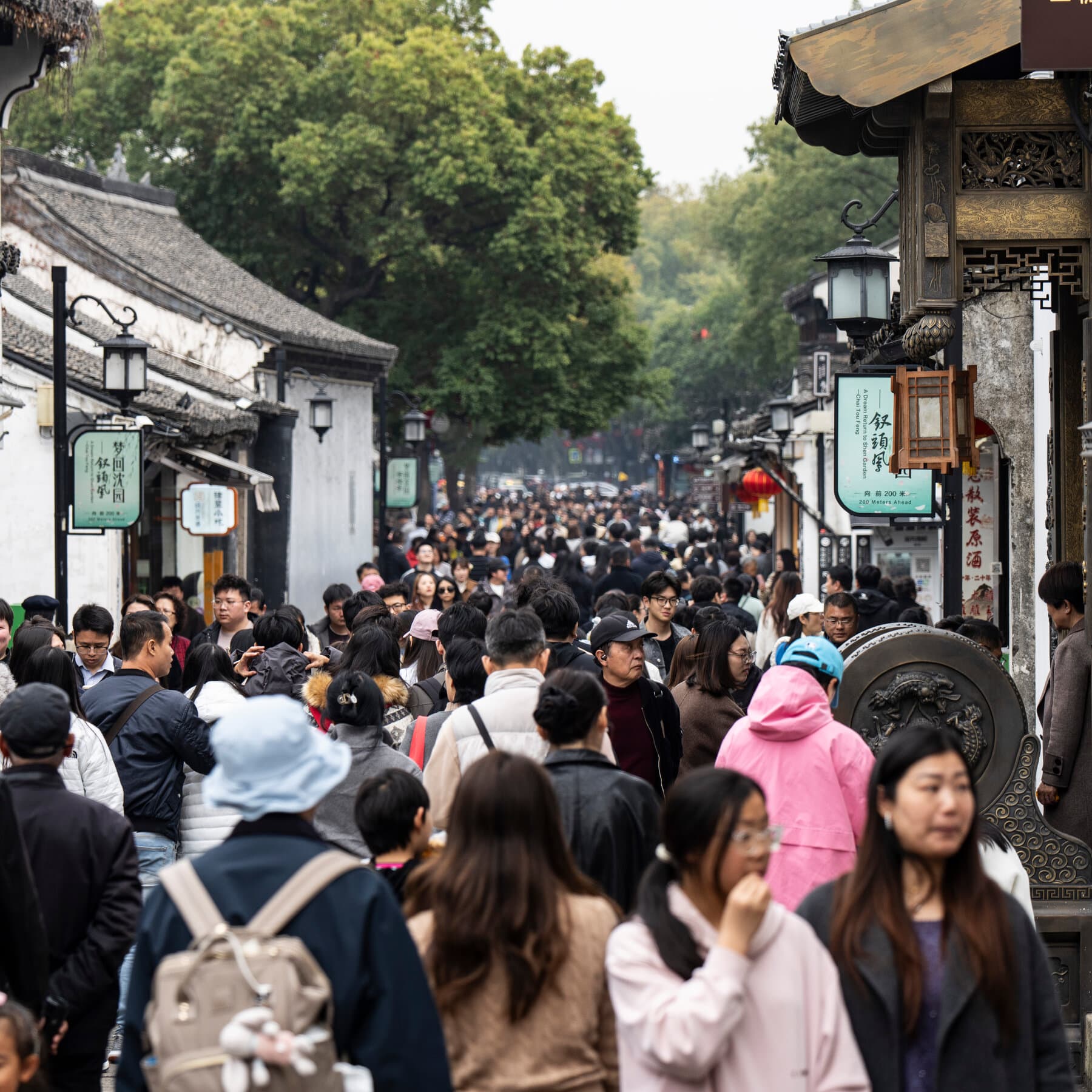
Here's what it means for you.
The recent decline in China's consumer spending signals a pivotal shift in the nation's economic landscape, raising alarms for investors and policymakers alike. A 0.6% drop in retail sales year-over-year indicates a growing reliance on exports, which could jeopardize long-term economic stability. This trend may prompt a reevaluation of current economic policies aimed at stimulating domestic demand. As consumer confidence wanes, the implications for global markets could be significant, particularly for industries reliant on Chinese consumption. Stakeholders must remain vigilant as the situation evolves, monitoring potential policy changes that could impact economic recovery.
What happened
China has reported its first decline in consumer spending since the onset of the COVID-19 pandemic, with retail sales falling by 0.6% in May compared to the previous year. This contraction highlights a troubling trend of weakened domestic demand, which raises concerns about the sustainability of the country's economic recovery. The National Bureau of Statistics confirmed this downturn, marking a significant shift in consumer behavior.
As domestic demand weakens, China's economy is increasingly leaning on exports for growth. This reliance on external markets poses risks, especially as investment levels also show signs of deterioration. The combination of these factors creates a complex economic landscape that requires careful navigation.
The Context
The decline in consumer spending is a critical indicator of China's economic health, reflecting broader trends that could impact both domestic and international markets. As the country grapples with this downturn, the implications for economic policy become increasingly pressing. The shift towards export reliance raises geopolitical tensions and complicates China's recovery trajectory.
UBS Securities Chief China Economist Yu Song has pointed out the risks facing the economy, emphasizing the need for effective strategies to stimulate domestic demand. The timing of this decline is particularly concerning, as it comes at a moment when many economies are still recovering from the pandemic's effects. Stakeholders must consider how these dynamics will influence future economic policies.
Takeaway
The outlook for China's economy remains uncertain as consumer spending falters, prompting a need for policymakers to implement strategies aimed at boosting domestic demand. Observers should monitor upcoming economic policies that may be introduced to restore consumer confidence and stimulate growth. Additionally, potential shifts in export markets could further impact China's economic stability.
As the situation develops, the effectiveness of these strategies will be crucial in determining the trajectory of China's economic recovery. Stakeholders should remain alert to changes that could reshape the landscape in the coming months.
Global markets, investing, and macroeconomics from a premier financial newsroom.
"Bloomberg is respected for in-depth financial reporting and data-driven analysis."
— A47 Editor
China Sees First Consumer Spending Drop Since Covid | The China Show 6/16/2026
China's consumer spending has dropped for the first time since the COVID-19 pandemic, reflecting a significant downturn in retail sales and investment. This decline, reported on June 16, 2026, indicates a shift in economic dynamics as consumer confid...
Markets, economy, and company analysis from NYT’s business desk.
"The New York Times is a globally recognized newspaper offering authoritative reporting with a center-left editorial stance."
— A47 Editor
China’s Spending Slowdown Deepens as Households Tighten Their Belts
China's retail sales fell by 0.6 percent in May compared to the same month last year, marking the first decline in over three years, as reported by the National Bureau of Statistics. This downturn highlights a significant reduction in consumer spendi...
Social/economic commentary and analysis relevant to business and markets.
"WSJ blends data-driven economic insight with commentary on policy and society."
— A47 Editor
Consumer spending in China declined last month for the first time in more than three years and investment contracted further
China's consumer spending has declined for the first time since the onset of the COVID-19 pandemic, indicating a shift in the country's economic dynamics that increasingly relies on exports. This downturn raises concerns about the sustainability of C...
Global political, business, and cultural coverage from WSJ international desks.
"The Wall Street Journal offers extensive international reporting with a reputation for financial insight and a center-right editorial stance."
— A47 Editor
China’s Consumer Spending Falls for First Time Since Covid
China's consumer spending has declined for the first time since the onset of the COVID-19 pandemic, indicating a shift in the country's economic dynamics that increasingly relies on exports. This downturn raises concerns about the sustainability of C...
Global markets, investing, and macroeconomics from a premier financial newsroom.
"Bloomberg is respected for in-depth financial reporting and data-driven analysis."
— A47 Editor
China’s Consumer Spending Drop Imperils Growth
China's consumer spending contracted last month for the first time since the pandemic, alongside a deterioration in investment, highlighting ongoing risks to the economy despite strong export performance and easing geopolitical tensions around Iran. ...