
Federal Reserve Signals Interest Rate Hikes Amid U.S.-Iran Tensions
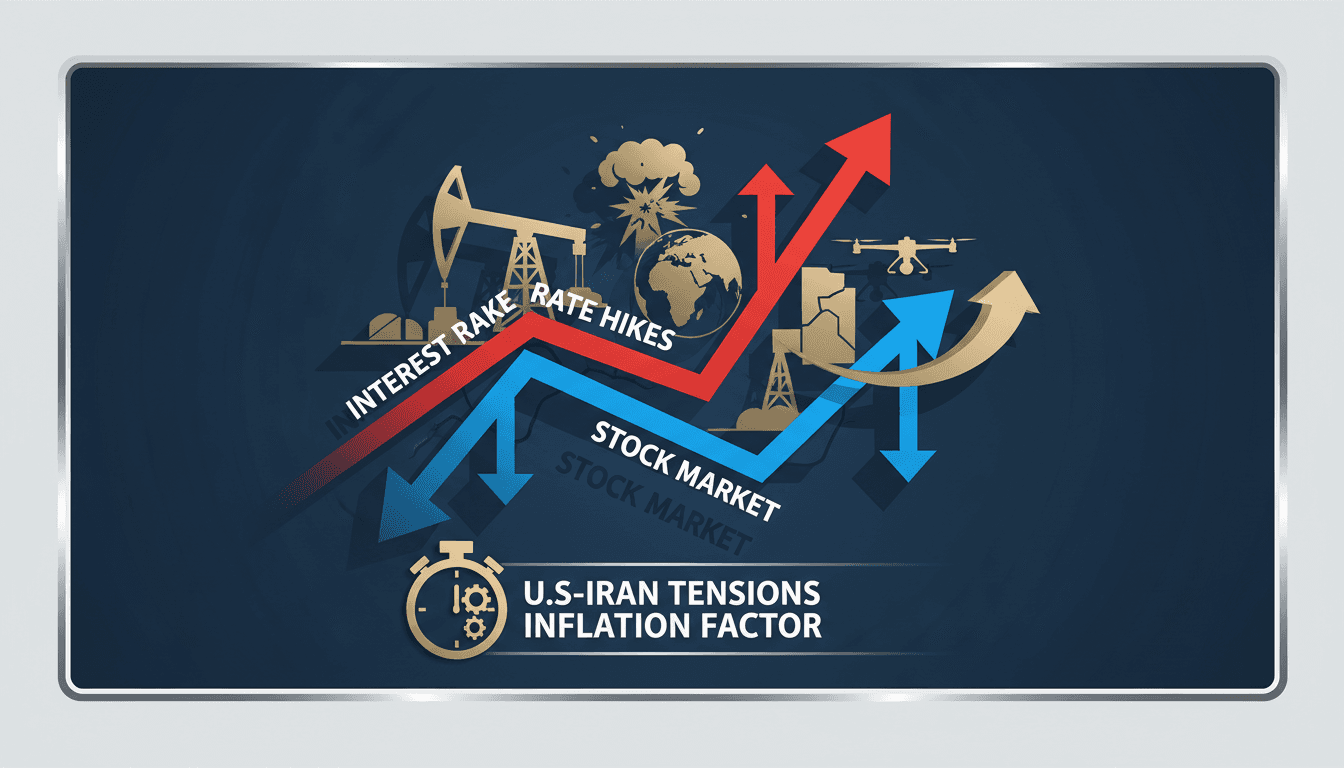
Here's what it means for you.
The Federal Reserve's indication of potential interest rate hikes is a significant signal for traders and investors. As geopolitical tensions, particularly the U.S.-Iran conflict, evolve, market participants must remain vigilant about how these developments could influence inflation and monetary policy. The anticipated rate hike could lead to increased market volatility, impacting both stock and bond markets. Traders are adjusting their forecasts based on the Fed's assessment of the situation, which underscores the interconnectedness of global events and domestic economic policy. This dynamic environment calls for careful monitoring of both geopolitical developments and Federal Reserve communications.
What happened
Stocks experienced a decline as traders reacted to the Federal Reserve's signals regarding possible interest rate hikes this year. The market's response reflects a broader concern about how the ongoing U.S.-Iran conflict may affect inflation. As bond yields climbed, futures traders adjusted their expectations for a December rate hike, indicating a shift in market sentiment.
The Federal Reserve has indicated that it expects to raise interest rates once this year, which could significantly impact market dynamics. This decision is being closely watched by investors as they navigate the complexities of the current geopolitical landscape.
The Context
The Federal Reserve is currently assessing the implications of the Iran war on inflation, a critical factor in its monetary policy decisions. As the situation develops, bond traders have begun to adjust their expectations for rate hikes, particularly following signals of a potential peace agreement from the White House. This context is essential for understanding the Fed's approach to interest rates and its broader economic implications.
The interplay between geopolitical events and domestic monetary policy highlights the importance of vigilance among market participants. As the Fed prepares to make decisions that could influence economic stability, the evolving U.S.-Iran situation remains a focal point for traders and policymakers alike.
Takeaway
Market participants will need to closely monitor developments in the U.S.-Iran situation and the Federal Reserve's decisions regarding interest rates. Updates on peace negotiations and further statements from Federal Reserve officials will be crucial in shaping market expectations. As the Fed's monetary policy evolves, both the stock and bond markets are likely to remain sensitive to these geopolitical events.
In the coming months, increased volatility may be expected as traders react to new information. Staying informed about these developments will be essential for navigating the complexities of the current economic landscape.
Global business headlines with AI angles.
"General business outlet that frequently covers AI."
— A47 Editor
Stocks Drop After Fed Officials Anticipate Potential Rate Hike This Year
Stocks experienced a significant decline on Wednesday as Federal Reserve officials indicated that they expect to implement an interest rate hike at least once this year. This announcement has raised concerns among investors about the potential impact...
Global markets, investing, and macroeconomics from a premier financial newsroom.
"Bloomberg is respected for in-depth financial reporting and data-driven analysis."
— A47 Editor
Stocks Fall as Traders See Fed Hike by October: Markets Wrap
Wall Street experienced a downturn as traders reacted to rising short-dated bond yields, following indications from the Federal Reserve that interest rates may increase by October. This shift comes amid concerns about inflation, which is being influe...
Stock market news, investing ideas, and trading analysis.
"TheStreet provides market news and retail-investor-focused analysis."
— A47 Editor
Bond traders drastically shift Fed rate-hike bets
Bond traders have adjusted their forecasts for interest rate hikes by the Federal Reserve, following indications from the White House of a potential peace agreement to end the U.S.-Iran war. This shift was evident on June 15, as futures traders lower...