
Brazil's central bank implements third consecutive interest rate cut amid inflation concerns
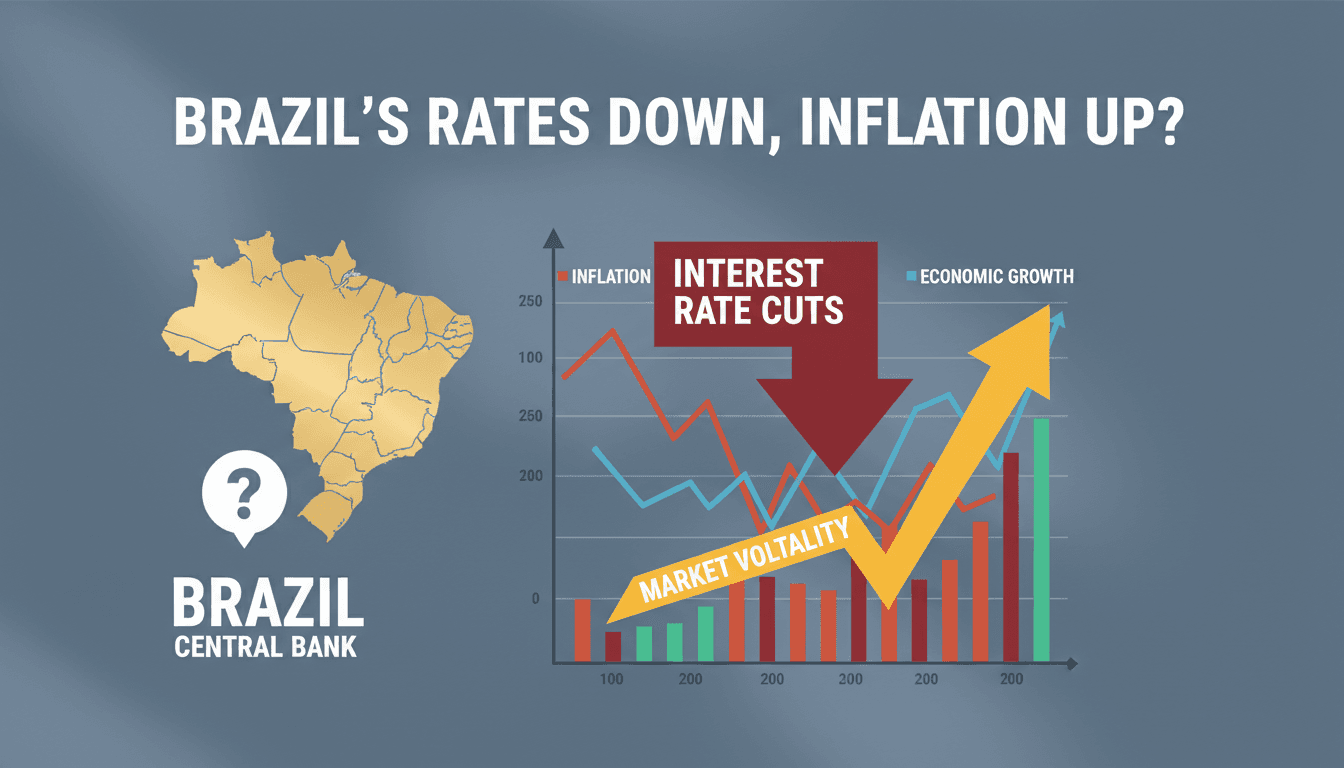
Here's what it means for you.
Brazil's central bank has made a bold move by cutting interest rates for the third consecutive time, a decision that reflects its struggle to manage high inflation and sluggish economic growth. This shift in monetary policy may lead to increased market volatility as investors grapple with the implications of these cuts. The central bank's approach aims to stimulate growth, but the ongoing inflation concerns could complicate its effectiveness. As the central bank navigates this challenging landscape, stakeholders will need to closely monitor economic indicators to assess the impact of these rate cuts. The balance between fostering economic growth and controlling inflation will be critical in the coming months.
What happened
On June 17, 2026, Brazil's central bank announced its third consecutive interest rate cut, a decision driven by rising inflation concerns. This move has sparked skepticism among investors, leading to a sell-off in Brazilian markets as they question the central bank's strategy. The ongoing high inflation and sluggish economic growth have created a challenging environment for policymakers.
The central bank's willingness to continue cutting rates if necessary indicates its commitment to stimulating the economy. However, the market's negative reaction highlights the uncertainty surrounding the effectiveness of this approach.
The Context
The backdrop of this decision is characterized by persistently high inflation rates in Brazil, which have raised alarms among investors and economists alike. The central bank's rate cuts are seen as a significant shift in its monetary policy, aimed at addressing the sluggish economic growth that has plagued the country. Stakeholders are particularly concerned about how these cuts will influence the broader economic landscape.
As Brazil's central bank attempts to balance growth stimulation with inflation control, the implications of its decisions will be closely scrutinized. The timing of these cuts is critical, as they come amid a period of heightened economic uncertainty, making the central bank's actions even more consequential.
Takeaway
Looking ahead, the central bank's ongoing rate cuts may lead to further market volatility as inflation concerns persist. Investors will need to monitor inflation trends closely, as these will likely influence future rate decisions. Additionally, upcoming economic data releases will be pivotal in shaping market sentiment and guiding investor reactions.
The balance between stimulating growth and controlling inflation will remain a focal point for the central bank. As the situation evolves, stakeholders should stay informed about economic indicators that could signal shifts in monetary policy.
Global markets, investing, and macroeconomics from a premier financial newsroom.
"Bloomberg is respected for in-depth financial reporting and data-driven analysis."
— A47 Editor
Brazil Assets Slide as Central Bank Rate Cut Spurs Market Angst
Brazilian markets experienced a significant sell-off as investors reacted negatively to the central bank's decision to cut interest rates amid rising inflation concerns. This move has raised questions about the central bank's strategy, especially as ...
Social/economic commentary and analysis relevant to business and markets.
"WSJ blends data-driven economic insight with commentary on policy and society."
— A47 Editor
Brazil’s Central Bank Keeps Cutting Despite Hot Prices
Brazil's Central Bank has cut interest rates for the third consecutive time, aiming to stimulate economic growth despite persistent high inflation rates. This decision comes as inflation concerns continue to rise, surpassing the central bank's target...
Macro commentary, policy analysis, growth/inflation themes, and global outlooks.
"Contextual macro coverage that complements day-to-day market headlines."
— A47 Editor
Brazil cuts interest rates again, leaves door open for more
Brazil has once again reduced its interest rates, signaling a potential for further cuts in the future. This decision reflects the central bank's ongoing efforts to stimulate economic growth amid rising inflation concerns, which have recently surpass...