
Saudi Arabia's Waqf Model Advocated for Global Adoption at Istanbul Summit
Here's what it means for you.
The call for the global adoption of Saudi Arabia's waqf model signifies a pivotal shift towards integrating social responsibility within economic frameworks. This initiative could reshape how countries mobilize capital for sustainable development, potentially leading to innovative financial models. Stakeholders in various sectors should prepare for legislative changes that may arise from this advocacy, impacting investment strategies and social impact initiatives.
What happened
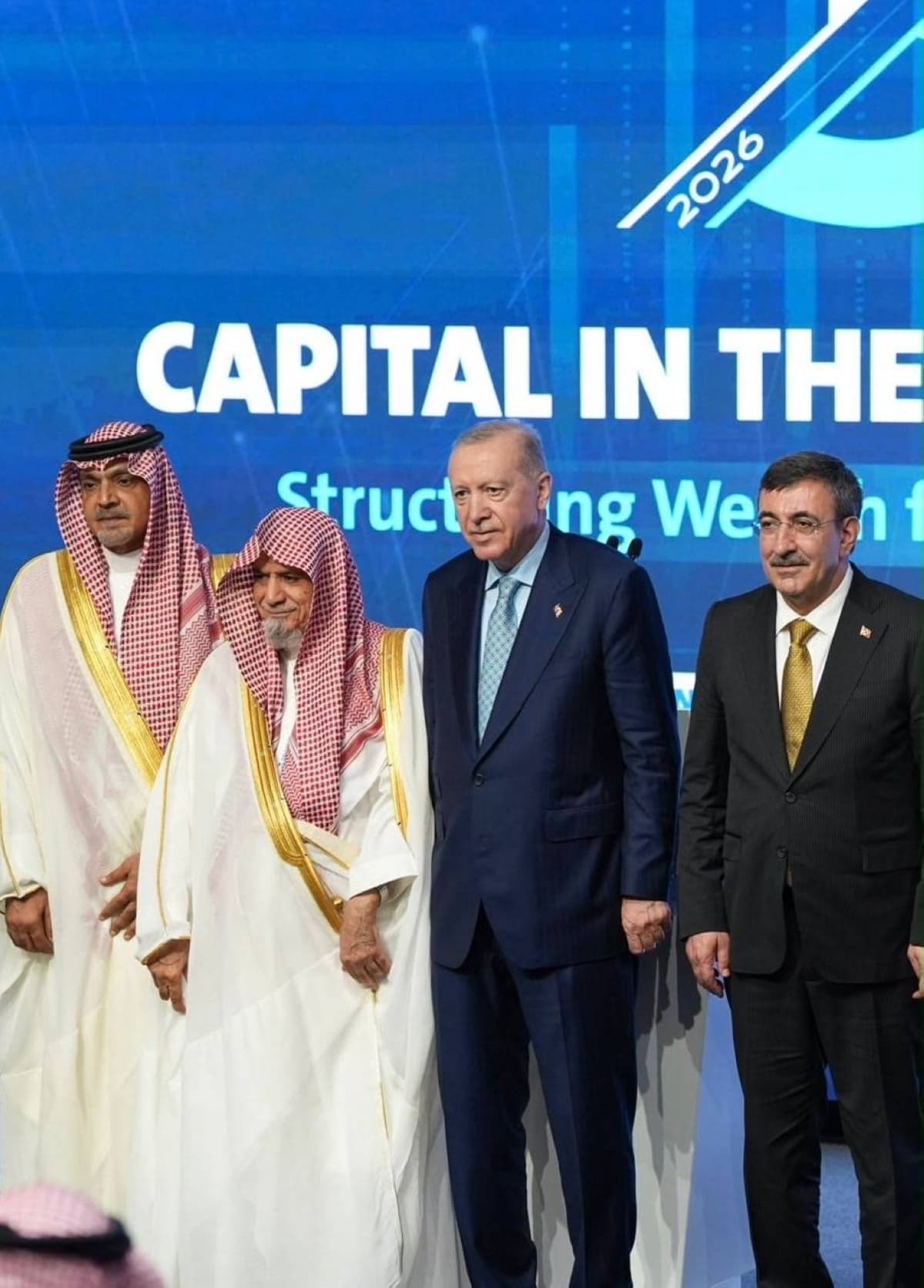
During the 3rd Global Islamic Economy Summit in Istanbul, Abdullah Saleh Kamel, Chairman of the Federation of Saudi Chambers, emphasized the significance of waqf institutions in fostering sustainable development. He urged countries worldwide to adopt Saudi Arabia's model, which empowers waqf to mobilize capital for social and developmental purposes. Kamel's remarks came amidst discussions on the Islamic economy, highlighting the need for a shift in focus from private gain to social and environmental impacts.
Kamel outlined three core principles of capital in the Islamic economy, which include wealth generation, distribution, and social responsibility. His advocacy for waqf institutions aims to address the growing concentration of wealth and its implications for global economies. The summit served as a platform for Kamel to articulate these ideas and encourage international collaboration.
The Context
Waqf institutions are increasingly recognized as vital components for sustainable wealth and development. Kamel's call for legislative support reflects a broader need for frameworks that empower these institutions in various countries. The summit, organized by the AlBaraka Forum for Islamic Economy, provided a timely opportunity to discuss these issues against the backdrop of current economic practices that often prioritize individual profit over collective well-being.
Kamel described Islamic civilization as a "civilization of waqf," underscoring the historical significance of these institutions in promoting social welfare. His criticism of existing economic models highlights the urgency of rethinking how wealth is generated and distributed. The discussions at the summit are expected to influence future policies and practices in the Islamic economy.
Takeaway
The emphasis on waqf and Islamic economic principles may lead to increased international collaboration and innovative financial models aimed at addressing global economic challenges. Stakeholders should monitor potential legislative changes in countries considering the adoption of waqf models. Future summits focusing on Islamic economic principles will likely explore their global implications and the role of waqf in sustainable development.
As countries begin to embrace these ideas, the landscape of social impact investing could evolve significantly. The ongoing dialogue around waqf institutions may inspire new partnerships and initiatives that prioritize social responsibility alongside financial sustainability.
English-language reporting on Saudi politics, policy, and society.
"Saudi Gazette reflects mainstream Saudi institutional perspectives."
— A47 Editor
Saudi Arabia’s waqf model can drive sustainable development, says Abdullah Kamel
Abdullah Saleh Kamel, Chairman of the Federation of Saudi Chambers, emphasized the importance of adopting Saudi Arabia's waqf model during the 3rd Global Islamic Economy Summit in Istanbul. He highlighted waqf institutions as effective tools for sust...
English-language reporting focused on Saudi Arabia and regional affairs.
"Saudi Gazette provides English-language coverage that often aligns with mainstream Saudi news priorities."
— A47 Editor
Saudi Arabia’s waqf model can drive sustainable development, says Abdullah Kamel
Abdullah Saleh Kamel, Chairman of the Federation of Saudi Chambers, emphasized the importance of adopting Saudi Arabia's waqf model during the 3rd Global Islamic Economy Summit in Istanbul. He highlighted waqf institutions as effective tools for sust...
Arabic-language reporting focused on domestic developments in Saudi Arabia.
"Okaz is a mainstream Saudi newspaper that often reflects domestic priorities and official-facing coverage."
— A47 Editor
عبدالله صالح كامل من إسطنبول: أدعو الدول لاتباع خطوات المملكة في تمكين الأوقاف
Abdullah Saleh Kamel, the President of the Saudi Chambers Federation, called on countries to follow Saudi Arabia's example in empowering endowments during his speech at the third Global Islamic Economy Summit in Istanbul, emphasizing the role of endo...
Saudi newspaper coverage spanning local, national, and public-interest stories.
"Makkah Newspaper generally reflects mainstream Saudi editorial priorities with an emphasis on domestic issues."
— A47 Editor
عبدالله صالح كامل من إسطنبول: أدعو الدول لاتباع خطوات المملكة في تمكين الأوقاف.. ورأس المال يجب أن يكون منتجاً مولّداً للثروات وموزّعاً لها ومنفقاً
Abdullah Saleh Kamel, the President of the Saudi Chambers Federation and the Islamic Chamber of Commerce and Development, called on countries to follow Saudi Arabia's lead in empowering endowments during his speech at the official opening in Istanbul...