
Trump Prioritizes Diplomacy with Iran Amid Rising Tensions
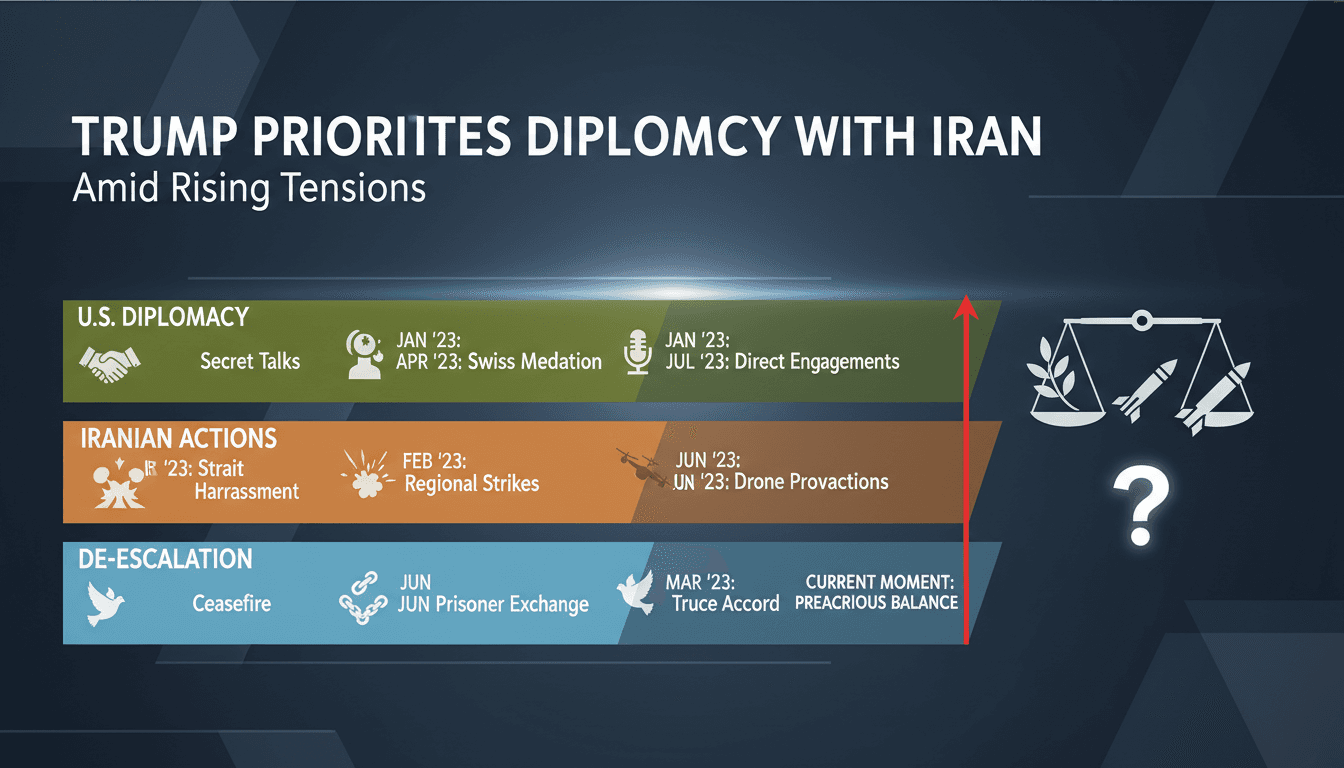
Here's what it means for you.
The U.S. administration's pivot towards diplomacy with Iran signals a significant shift in foreign policy, emphasizing negotiation over military action. This approach may impact global markets, particularly in sectors sensitive to geopolitical tensions, such as oil and defense. Stakeholders should remain vigilant as the situation evolves, given the potential for escalation if U.S. personnel are harmed.
What happened
President Trump is currently prioritizing diplomatic solutions with Iran as tensions rise and threats of war loom. Despite ongoing provocations from Iran, he has indicated that he will only consider military action if U.S. troops are killed. Talks with Iran are reportedly progressing rapidly, suggesting a potential path towards de-escalation.
The backdrop of this diplomatic effort includes a fragile cease-fire that has been in place for nearly two months. Iran's repeated strikes have increased pressure on the U.S. administration, complicating the landscape for negotiations. Trump has also claimed to have facilitated de-escalation between Israel and Iran-backed Hezbollah, further intertwining regional dynamics.
The Context
The geopolitical landscape surrounding Iran is complex, with multiple stakeholders involved, including the U.S., Israel, and various regional actors. The cease-fire, declared nearly two months ago, highlights the precariousness of the situation, as its long-term viability remains uncertain. Iran's threats to widen the conflict by blocking the Strait of Hormuz add another layer of urgency to the ongoing discussions.
Additionally, Tehran has suspended dialogue with mediators regarding Israel's actions in Lebanon, indicating a potential breakdown in communication that could exacerbate tensions. The U.S. administration is navigating these challenges while balancing military readiness with diplomatic efforts, a delicate act that could have far-reaching implications.
Takeaway
As diplomatic efforts continue, the potential for conflict remains, particularly if provocations escalate or U.S. personnel are harmed. The administration's current approach suggests a continued emphasis on dialogue, but the situation is volatile and requires close monitoring. Future developments in U.S.-Iran negotiations will be critical in determining regional stability and the likelihood of military escalation.
Stakeholders should watch for any signs of increased military actions or further diplomatic breakthroughs in the coming weeks. The balance between military readiness and diplomatic engagement will be crucial in shaping the future of U.S.-Iran relations.
Breaking news, politics, business, and entertainment from the U.S. and around the world.
"The New York Post is a tabloid-format newspaper known for its sensationalist headlines and conservative-leaning editorial tone."
— A47 Editor
Why Trump isn’t rushing back into war with Iran — despite Tehran’s provocations
President Trump has signaled a cautious approach towards Iran, emphasizing that military action remains a possibility if nuclear negotiations fail, yet the White House is currently prioritizing diplomatic efforts following a recent ceasefire.
Global political, business, and cultural coverage from WSJ international desks.
"The Wall Street Journal offers extensive international reporting with a reputation for financial insight and a center-right editorial stance."
— A47 Editor
Trump Tells Aides He Won’t Resume All-Out War With Iran Unless U.S. Troops Are Killed
President Trump has informed aides that he will not initiate an all-out war with Iran unless U.S. troops are killed, amidst increasing tensions following repeated Iranian strikes that have raised concerns about the ceasefire's sustainability.
24/7 international news from a French perspective in multiple languages.
"France 24 is viewed as a globally focused outlet with balanced coverage and a European perspective."
— A47 Editor
Trump says Iran talks moving fast despite threat to widen war
US President Donald Trump stated that negotiations with Iran are progressing rapidly, despite Tehran's threats to escalate military actions by blocking the Strait of Hormuz and halting dialogue with mediators over Israel's military operations in Leba...