
Geopolitics
Latest news, analysis, and updates on Geopolitics from A47 News.
8 stories in Politics · Updated live
Trump Administration Adopts Minimal AI Regulation to Maintain Technological Edge Over China
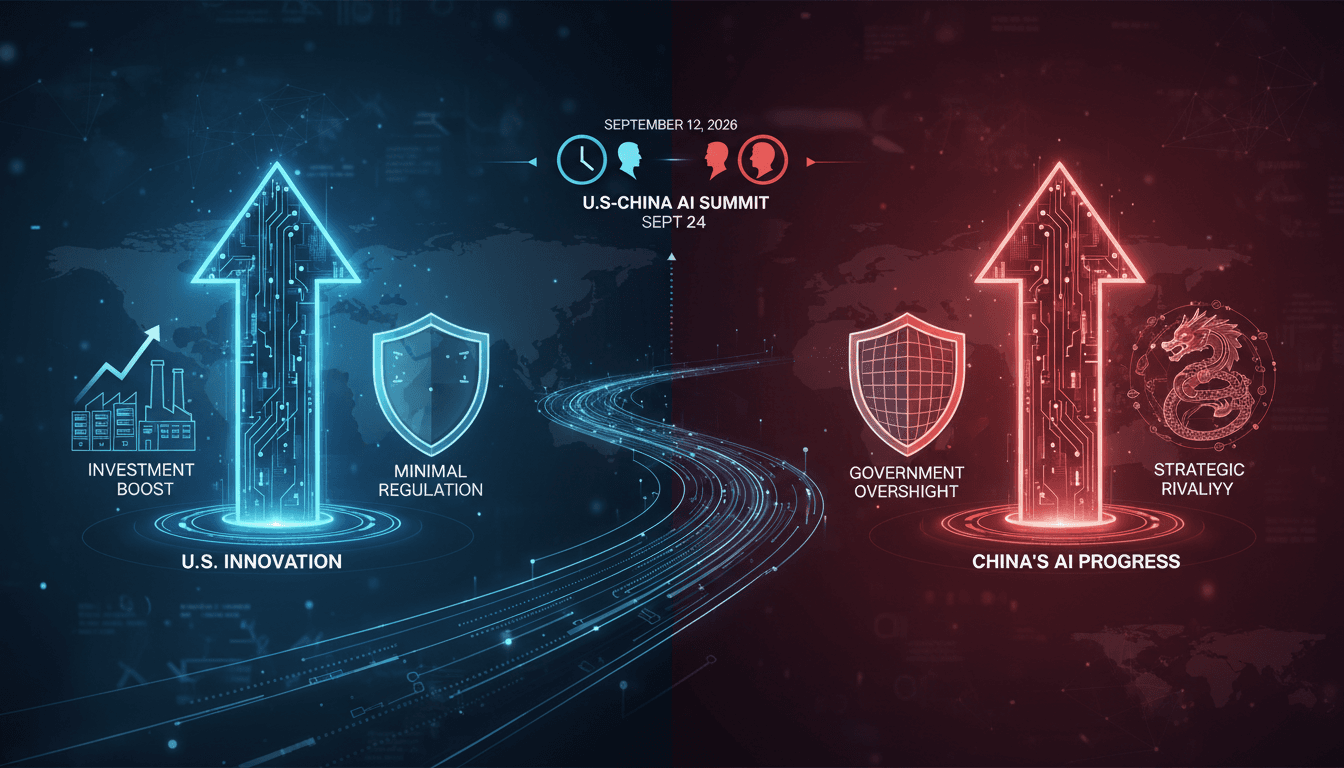
The Trump administration has announced a light-touch approach to AI regulation as of September 12, 2026, aiming to preserve US technological leadership ahead of a summit with Chinese President Xi Jinping. This policy shift is driven by the upcoming September 24 summit, where AI safety will be a key topic, and follows recent G20 discussions advocating for minimal oversight. Long-term, this stance may lead to increased investment in US AI firms while potentially fostering a competitive regulatory environment with China.
Trump's Ireland Visit Provokes Protests Amid Public Discontent
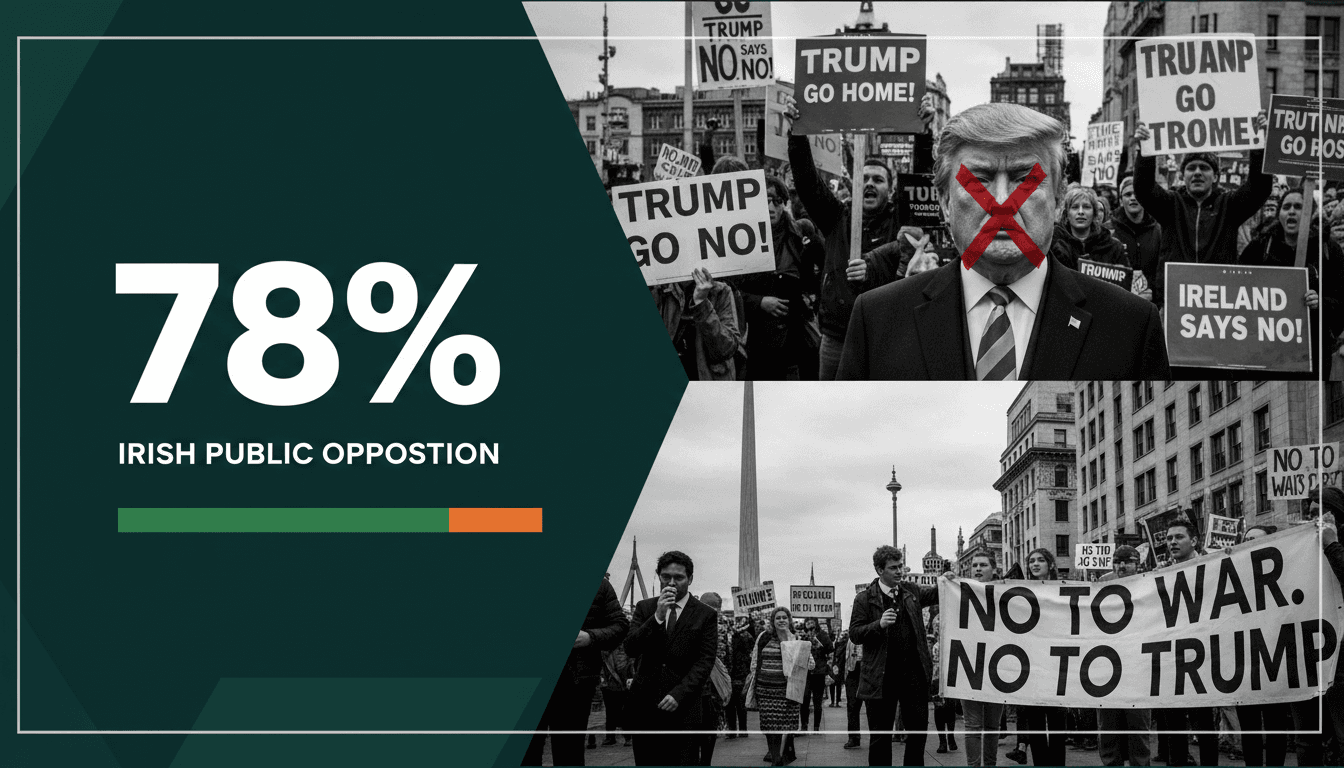
On September 12, 2026, U.S. President Donald Trump visited Ireland, leading to significant protests against his policies. The visit coincided with heightened geopolitical tensions, particularly related to the Iran conflict, which fueled local opposition despite some economic appreciation for his investments. This event underscores the ongoing polarization in public opinion regarding Trump's leadership and may influence future U.S.-Ireland relations and domestic political discourse in Ireland.
Trump and Hegseth Connect Iran Conflict to 9/11 During Pentagon Memorial Speeches
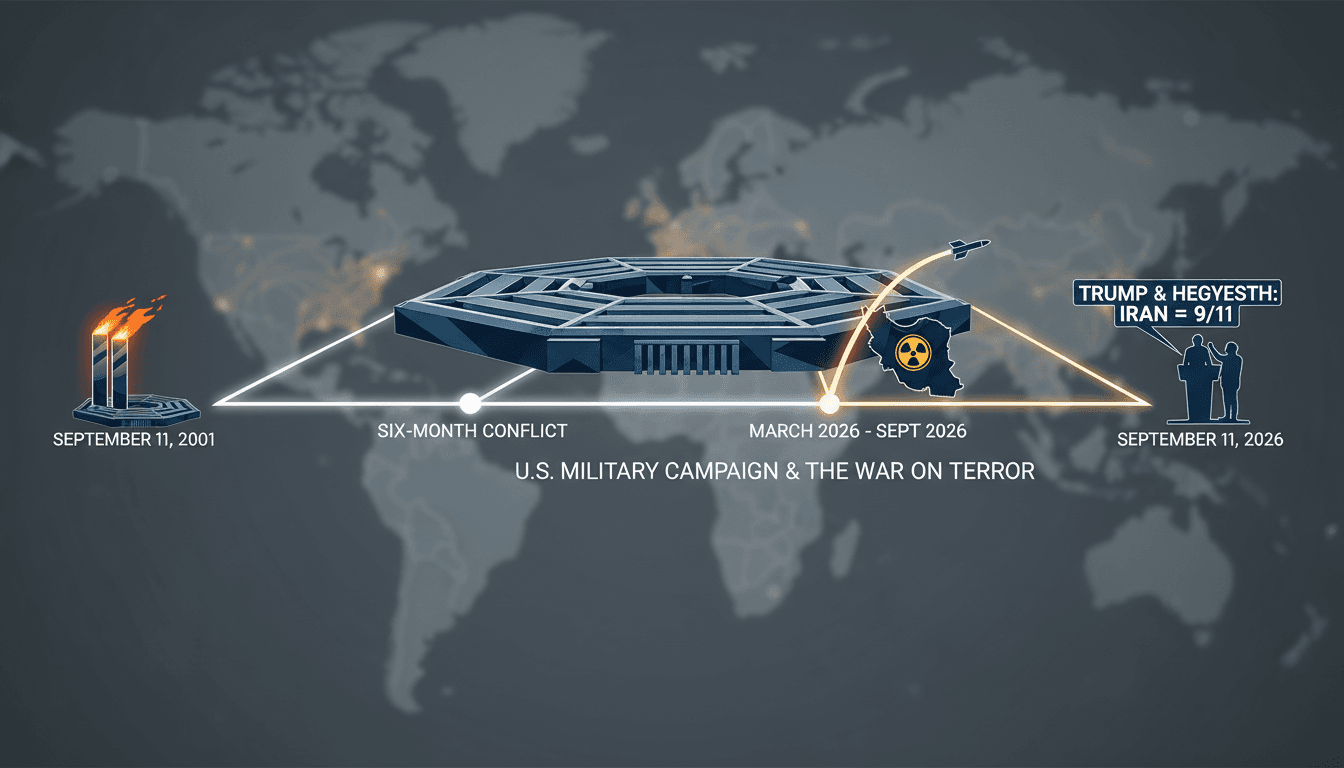
On September 11, 2026, President Donald Trump and Defense Secretary Pete Hegseth delivered speeches at the Pentagon, linking the ongoing U.S. military campaign against Iran to the September 11 attacks. This connection is made amid a six-month confrontation with Iran, as officials emphasize the need to prevent Iranian nuclear weapons acquisition. The long-term implication suggests a continued framing of military operations as part of the broader war on terrorism, potentially influencing U.S. foreign policy and military strategy in the region.
US Treasury Implements New Sanctions Targeting Iranian Proxy Networks
On September 10, 2026, the US Department of the Treasury imposed sanctions on entities and individuals in Iraq, Lebanon, Turkey, and the UAE linked to Hezbollah and Kata’ib Hezbollah. This action is part of Operation Economic Outcast, initiated on August 24, 2026, aimed at disrupting financial networks supporting Iranian proxies amid escalating US-Iran tensions. The long-term implication is a continued tightening of economic pressure on Iran, potentially affecting regional trade and proxy funding dynamics.

Latest Stories
Saudi Foreign Minister Engages in Diplomatic Calls with Turkey and Qatar on Regional Stability
Saudi Foreign Minister Prince Faisal bin Farhan held phone calls with Turkish Foreign Minister Hakan Fidan and Qatari Prime Minister Sheikh Mohammed bin Abdulrahman Al Thani to discuss regional stability. These discussions were prompted by ongoing geopolitical tensions in the Middle East, necessitating enhanced diplomatic coordination among key regional players. The long-term implication is a potential strengthening of trilateral relations aimed at fostering security and reducing conflicts in the region.
Trump's Ireland Visit Provokes Protests Amid Public Discontent
On September 12, 2026, U.S. President Donald Trump visited Ireland, leading to significant protests against his policies. The visit coincided with heightened geopolitical tensions, particularly related to the Iran conflict, which fueled local opposition despite some economic appreciation for his investments. This event underscores the ongoing polarization in public opinion regarding Trump's leadership and may influence future U.S.-Ireland relations and domestic political discourse in Ireland.
Trump Administration Adopts Minimal AI Regulation to Maintain Technological Edge Over China
The Trump administration has announced a light-touch approach to AI regulation as of September 12, 2026, aiming to preserve US technological leadership ahead of a summit with Chinese President Xi Jinping. This policy shift is driven by the upcoming September 24 summit, where AI safety will be a key topic, and follows recent G20 discussions advocating for minimal oversight. Long-term, this stance may lead to increased investment in US AI firms while potentially fostering a competitive regulatory environment with China.
Trump and Hegseth Connect Iran Conflict to 9/11 During Pentagon Memorial Speeches
On September 11, 2026, President Donald Trump and Defense Secretary Pete Hegseth delivered speeches at the Pentagon, linking the ongoing U.S. military campaign against Iran to the September 11 attacks. This connection is made amid a six-month confrontation with Iran, as officials emphasize the need to prevent Iranian nuclear weapons acquisition. The long-term implication suggests a continued framing of military operations as part of the broader war on terrorism, potentially influencing U.S. foreign policy and military strategy in the region.