
Conflict & Security
Latest news, analysis, and updates on Conflict & Security from A47 News.
67 stories in Politics · Updated live

Nvidia CEO Jensen Huang Admits Affair With Executive Under US Assessment as Alleged Chinese Intelligence Asset
On November 8, 2026, Nvidia CEO Jensen Huang publicly admitted an extramarital affair with Alice Huang, a Megaspeed executive whom U.S. officials assessed as a Chinese Ministry of State Security asset, following reports first surfacing on October 29, 2026. The trigger was intelligence assessments linking Megaspeed's purchases of more than $4.8 billion in Nvidia chips to circumvention of U.S. export controls on advanced AI semiconductors to China. The horizon points to heightened enforcement of chip export rules and tighter corporate governance and security vetting across the AI sector.
Massie Reintroduces Eight Articles of Impeachment Against Defense Secretary Hegseth Over Iran War Conduct
On November 9, 2026, Representative Thomas Massie reintroduced a privileged resolution in the House containing eight articles of impeachment against Defense Secretary Pete Hegseth, primarily alleging War Powers Resolution violations tied to U.S. military operations in Iran. The move follows the U.S.-led war with Iran that began in late February 2026 without formal congressional declaration and contributed to Republican losses in the November 2026 midterms. The privileged status obliges House leadership to schedule a floor vote within two legislative days, setting up a potential early test of congressional willingness to hold a defense secretary accountable for prolonged hostilities.
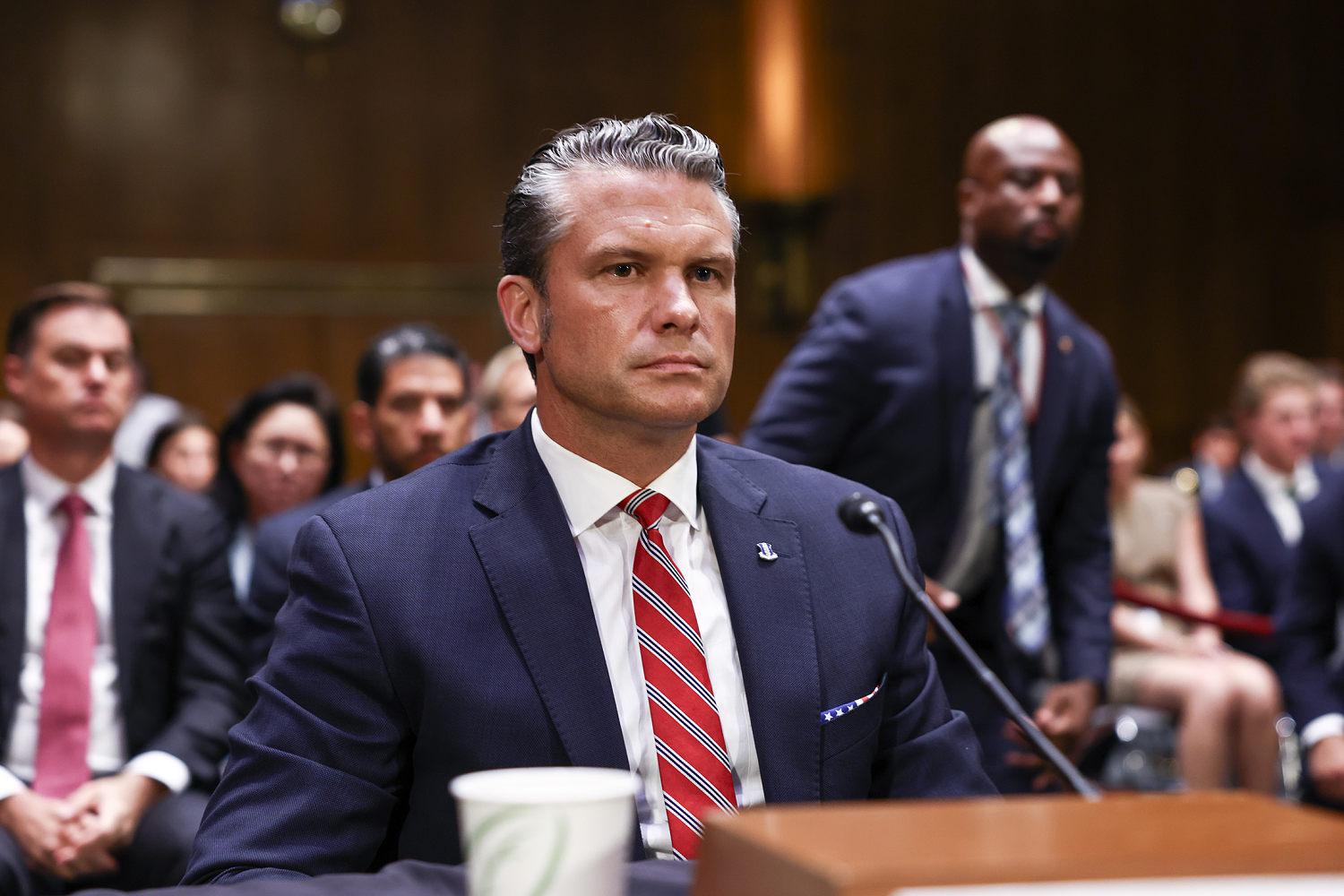
House Refers Massie Impeachment Resolution Against Hegseth to Judiciary Committee in 211-204 Vote
On November 10, 2026, the Republican-led US House of Representatives voted 211-204 to refer Rep. Thomas Massie's eight-article impeachment resolution against Defense Secretary Pete Hegseth to the Judiciary Committee, effectively halting floor consideration for the remainder of the 119th Congress. The move followed Massie's November 9 introduction of the resolution over alleged unauthorized military actions in Iran, Yemen, Venezuela, and the Caribbean, amid a prolonged Iran conflict and recent electoral setbacks for the GOP. Democrats have signaled renewed efforts in the next Congress, while the administration's continued backing of Hegseth suggests defense oversight will remain a contested partisan issue heading into the new session.

Eisenkot Outlines Security Framework for Syria and Lebanon Following Mandate to Form Israeli Government
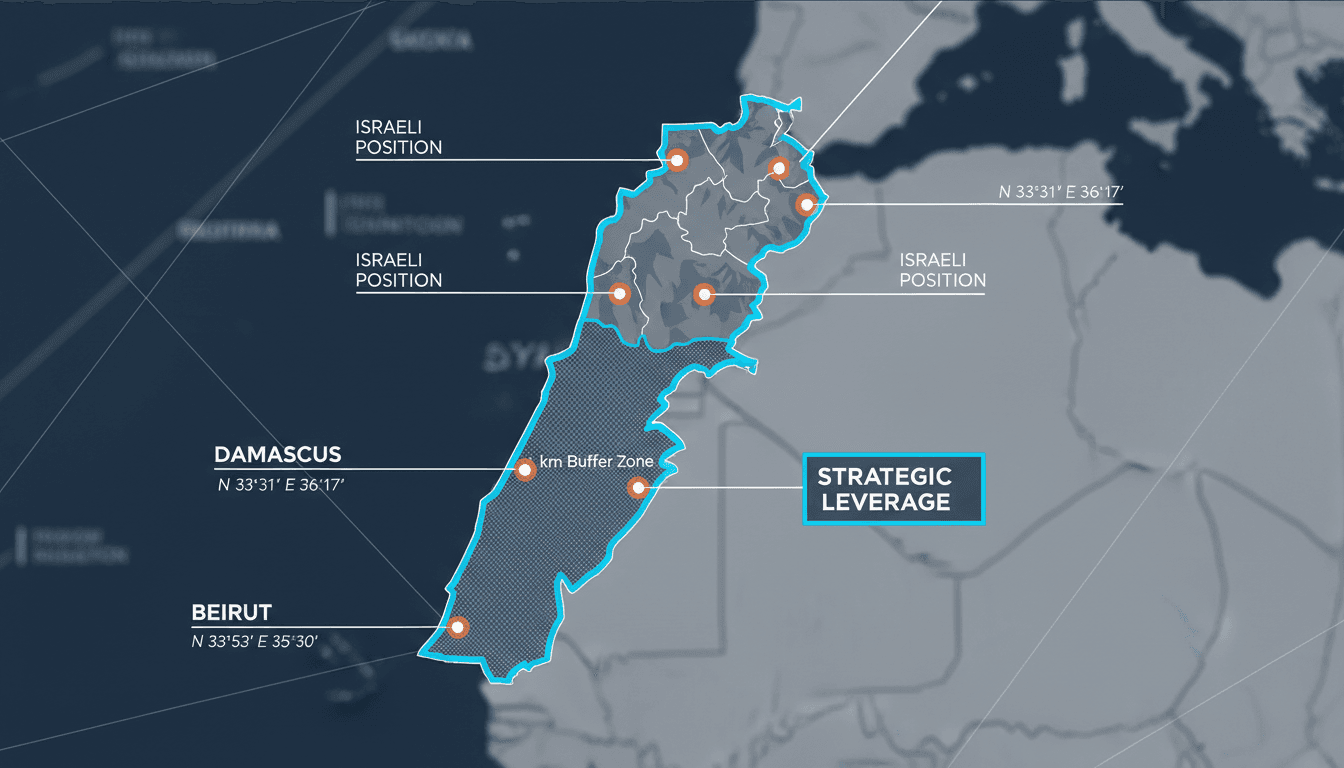
Following his mandate on November 8, 2026 to form a new Israeli government, Gadi Eisenkot has articulated a plan to update the 1974 Syria disengagement agreement with stricter security terms, including removal of Turkish and Russian forces and retention of Israeli positions such as Mount Hermon as negotiating leverage. The shift is driven by post-Assad transitions in Syria, ongoing Israeli operations in southern Syria and Lebanon, and the political realignment after October 2026 elections. The likely horizon is continuity of Israeli military presence and operational freedom in both countries, with any withdrawal calibrated to US-brokered arrangements and Lebanese demilitarization.
Latest Stories
Israeli Government Formation Stalls After Inconclusive October 2026 Elections With Arab Parties Holding Pivotal Seats
President Herzog has tasked Gadi Eisenkot with forming a new Israeli government after the October 2026 Knesset elections produced no bloc reaching the 61-seat majority, with Netanyahu's camp at 53 seats and Arab Palestinian parties winning a record 19 seats. The deadlock is driven by ideological divisions within the opposition 'change camp' and explicit resistance to Arab MK participation despite their numerical pivotality, all unfolding alongside continued Israeli military operations in Gaza and the West Bank. Coalition viability within the 28-day formation window will likely determine whether Israel's next government can sustain itself without Arab party support, with unresolved exclusion risking prolonged instability.
Car Bomb Kills Two in Damascus Suburb of Jaramana Amid Fragile Syrian Security Environment
On November 14, 2026, a car bomb detonated in the Jaramana suburb of Damascus, killing two people, including a man and a girl, and injuring at least two others. The blast occurred near commercial sites in a Druze-majority area where security forces had already been managing tensions between local community members and supporters of the Islamist-led government, with no group having claimed responsibility. The attack signals continued instability in the Syrian capital region nearly two years after the fall of the Assad regime, suggesting that authorities will face sustained pressure to secure urban areas and resolve sectarian frictions to prevent further violence.
18 Nations Condemn Israeli Airstrike on Nasser Medical Complex in Khan Younis Amid Fragile Gaza Ceasefire
On November 12, 2026, an Israeli airstrike struck the surgical department of Nasser Medical Complex in Khan Younis, killing at least six people including a surgeon and a child and injuring more than 20. On November 14, 2026, foreign ministers of 18 nations, including the UAE and Saudi Arabia, issued a joint condemnation calling the strike a violation of international humanitarian law while restrictions on aid and shelter materials persisted during a fragile ceasefire and approaching winter. The statement signals sustained diplomatic pressure on Israel, the United States, and the Board of Peace to enforce ceasefire agreements, Security Council Resolution 2803 and unrestricted humanitarian access.
GCC Interior Ministers Affirm Unified Security Coordination Amid Iranian and Houthi Threats
At the 43rd GCC Interior Ministers meeting in Manama on November 11, 2026, Secretary-General Jassim Al-Budaiwi praised regional security agencies for their efficiency and affirmed that security is indivisible across member states. The statement follows Iranian attack repercussions on GCC states and Houthi assaults on Saudi Arabia and its holy sites, which intensified the need for coordinated collective defence. The GCC is likely to deepen joint security mechanisms and information-sharing frameworks while maintaining unified diplomatic and protective support for Saudi Arabia.