
Diplomacy
Latest news, analysis, and updates on Diplomacy from A47 News.
71 stories in Politics · Updated live
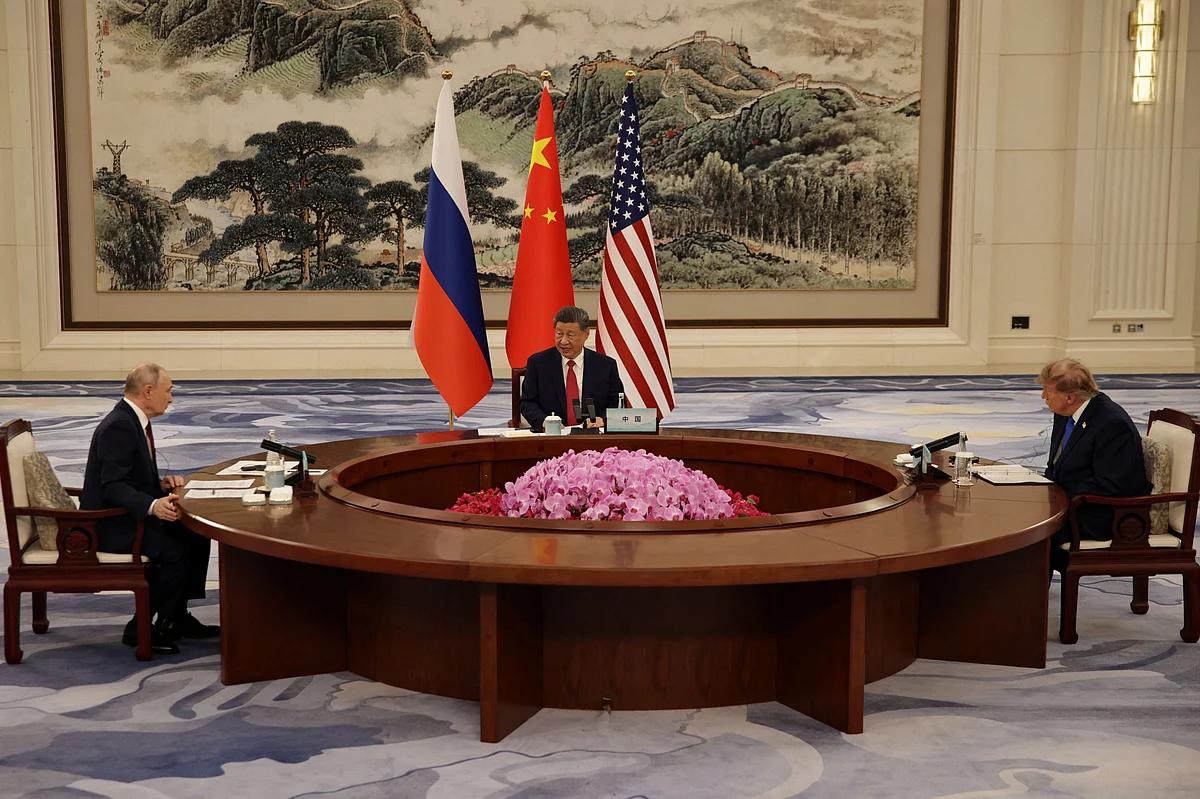
First Trilateral Summit of Trump Xi and Putin Yields Symbolic Joint Declaration on Nuclear Dialogue and Energy Supply
On November 19, 2026, U.S. President Donald Trump, Chinese President Xi Jinping, and Russian President Vladimir Putin held their first-ever trilateral meeting at Kylin Villa in Shenzhen, lasting roughly 80 to 90 minutes and concluding with a four-point joint declaration on UN reform, oil supply, ICC jurisdiction, and nuclear dialogue. The session was convened on the sidelines of the APEC summit amid the approaching five-year Ukraine conflict and Iran-related tensions affecting energy routes, with the White House prioritizing nuclear reduction and China emphasizing stability. The outcome remains largely symbolic, as the declaration omitted direct references to Ukraine or Iran and analysts expect limited substantive follow-through, though it may foreshadow more structured great-power nuclear and energy coordination.
UK and EU Sign Brexit Reset Deal Covering Food Standards Emissions Trading and Youth Mobility
On November 20, 2026, UK Prime Minister Andy Burnham is scheduled to sign a Brexit reset agreement with the European Union in Brussels covering sanitary and phytosanitary standards, linked emissions trading systems, and a youth mobility scheme. The breakthrough followed late-night negotiations that resolved French objections on November 19, driven by the need to ease post-Brexit trade frictions after Burnham assumed office in 2026. The three agreements are set to enter into force together, with the UK government projecting a 0.4% addition to GDP and further strategic talks on long-term UK-EU relations expected to follow.

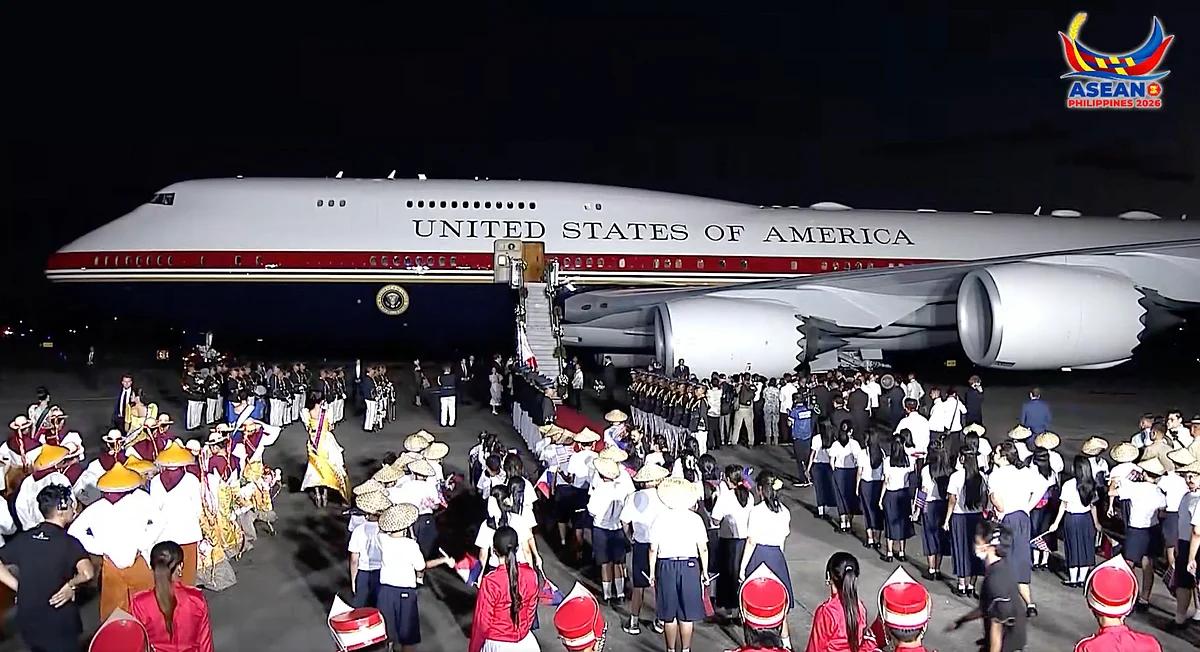
Trump Convenes Quad Leaders in Manila Ahead of Shenzhen APEC Trilateral Talks
US President Donald Trump arrived in Manila on November 17, 2026, to hold the first Quad leaders' meeting in two years, with Modi, Takaichi, and Albanese on the sidelines of the ASEAN Summit. The gathering was triggered by the need to advance Indo-Pacific security, critical minerals supply chains, AI governance, and maritime cooperation amid regional trade tensions and US domestic political pressure following midterm setbacks. The outcomes, including joint maritime patrols and an AI accelerator, signal a deepening US-led technology and security alignment in the region that will be tested in the upcoming trilateral talks with China and Russia at APEC in Shenzhen.
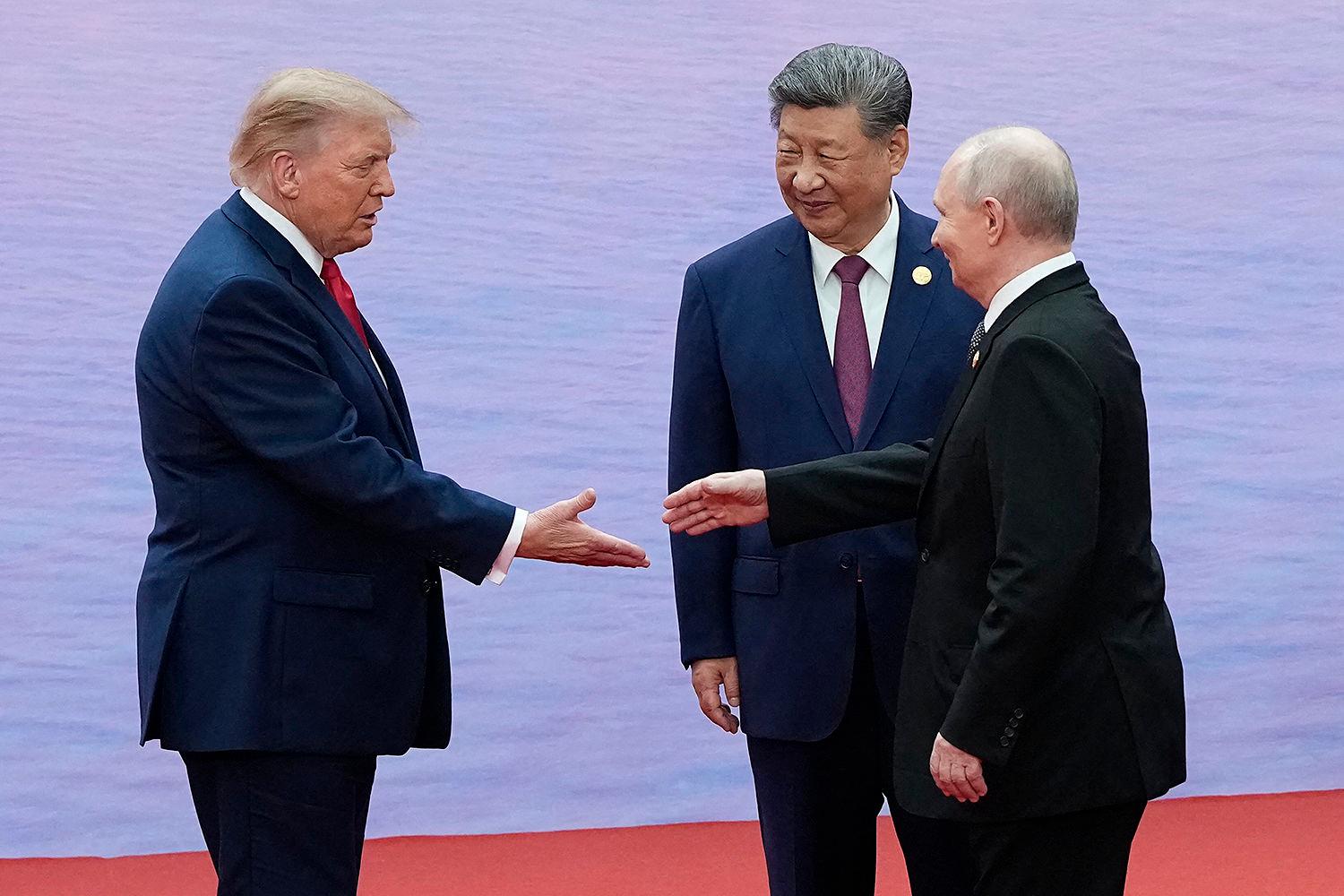
Trump Xi and Putin Set First In-Person Trilateral Summit on APEC Sidelines in Shenzhen
The leaders of the United States, China, and Russia are scheduled to hold the first in-person trilateral summit on November 19, 2026, on the sidelines of APEC in Shenzhen, following initial handshakes and a welcome banquet on November 18. The meeting is triggered by mounting strategic pressures including Russia's war in Ukraine, U.S.-China trade and technology disputes, and conflicts involving Iran, and it marks a departure from post-Cold War U.S. efforts to separate Moscow and Beijing. The likely horizon is a recalibration of great-power diplomacy toward pragmatic cooperation and spheres of influence, with limited expectation of formal agreements but significant implications for nuclear arms control, energy markets, and Ukraine-related negotiations.
Latest Stories
Likud and Yashar End Coalition Talks Without Deal Over Ben-Gvir Inclusion and Premiership
Likud and Yashar concluded four hours of coalition negotiations in Herzliya on November 22, 2026, without reaching an agreement after failing to resolve disputes over leadership and the role of Itamar Ben-Gvir. The talks stalled because Likud demands Ben-Gvir's inclusion and Netanyahu serving first as prime minister, while Yashar insists on his exclusion and rejects premiership rotation, leaving Eisenkot's 48-seat bloc 13 seats short of a majority. Unless a follow-up meeting breaks the deadlock before Eisenkot's mandate expires on December 6, with a possible 14-day extension, Israel faces a likely minority government backed by Arab parties or renewed elections.
Eisenkot Condemns Settler Arson Attacks on West Bank Villages as Jewish Terrorism
Overnight on November 21-22, 2026, suspected Jewish settlers torched at least 12 vehicles and sprayed racist graffiti across several Palestinian villages in the occupied West Bank, with Israeli authorities opening an investigation and no arrests reported. The attacks occurred amid heightened settler-Palestinian violence since October 2023 and during post-election coalition negotiations in which opposition leader Gadi Eisenkot has blamed National Security Minister Itamar Ben-Gvir and Finance Minister Bezalel Smotrich for enabling lawlessness. The episode is likely to intensify domestic political confrontation over settler policy and may prompt renewed international calls for sanctions and accountability against violent extremists in the territory.
Iran Faces Severe Economic Strain as US Oil Blockade Tightens and Official Inflation Reaches 88.7 Percent
Iranian President Masoud Pezeshkian publicly described the country's economic crisis as harder to endure than missile conflict, citing infrastructure damage and looming winter shortages, while US Treasury Secretary Scott Bessent claimed unverified signs of leadership division. The trigger is the US-led blockade of Iranian oil exports and trade, which has driven official year-on-year inflation to 88.7 percent and oil output down to roughly 1.8 million barrels per day within a conflict ongoing since February 2026. The likely horizon is prolonged pressure on Iranian household purchasing power and revenues, with Tehran signalling resilience and conditional openness to negotiations while the blockade's sustainability and internal cohesion remain uncertain.
China Demands US Withdraw FCC Restrictions on Telecom Operators' Direct US Phone Number Access
On November 22, 2026, China's Ministry of Commerce formally demanded that the United States immediately rescind proposed restrictions barring China Mobile, China Telecom, and China Unicom from direct access to US phone numbers. The demand follows a days-earlier FCC vote adopting national security certification requirements that explicitly target these Chinese operators. Beijing's response signals likely countermeasures and further escalation in US-China telecommunications decoupling, as China accuses Washington of violating nondiscrimination principles and prior leadership consensus.