
Climate Policy
Latest news, analysis, and updates on Climate Policy from A47 News.
9 stories in Politics · Updated live

COP31 Opens in Antalya as Leaders Face Pressure to Accelerate Emissions Cuts and Climate Finance
The 31st UN Climate Change Conference opened on 9 November 2026 in Antalya, Türkiye, convening nearly 200 nations and over 100,000 participants to advance implementation of prior climate commitments. The summit is convening amid record global temperatures, extreme weather including heatwaves, wildfires, and floods, and a strong El Niño, with the world at risk of breaching the 1.5°C Paris Agreement threshold. Without faster emissions reductions, a fossil fuel transition, and delivery of climate finance to vulnerable nations, COP31 risks remaining a forum for commitments rather than measurable implementation.
Environmental Groups Expand AI Use for Conservation as Data Center Resource Demands Draw Scrutiny
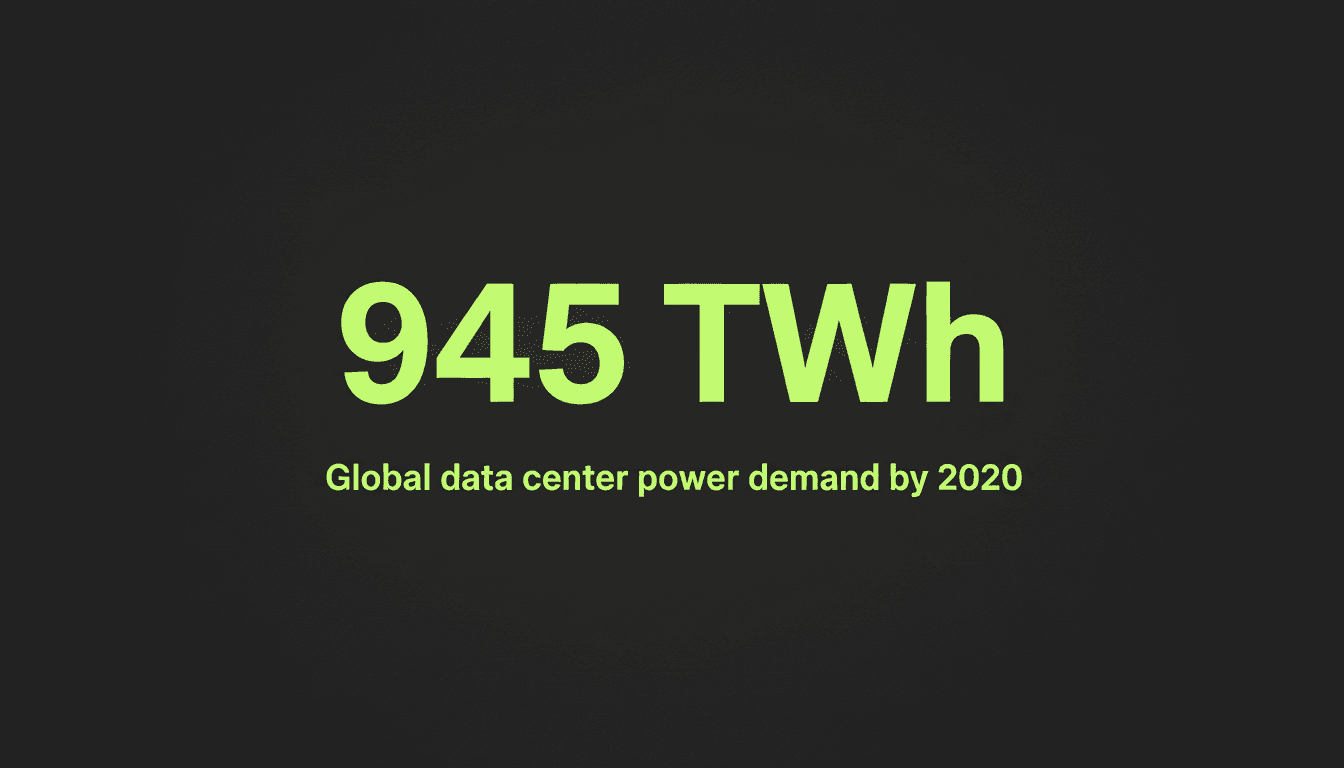
Reuters reports that 15 major conservation and development organizations confirmed their use of artificial intelligence for climate analysis, wildfire tracking, and wildlife monitoring while raising concerns over data center electricity, water, and emissions impacts. The disclosure follows the International Energy Agency's projection that global data center electricity consumption could double to 945 TWh annually by 2030, intensifying debate over AI infrastructure costs ahead of UN COP31 in Turkey. The tension between AI's conservation benefits and its resource footprint is likely to shape sustainable AI principles and transparency demands in the forthcoming climate policy agenda.
Abu Dhabi Clean Energy Generation Rises Over 1000 Percent Between 2020 and 2025 on Barakah Nuclear and Solar Capacity
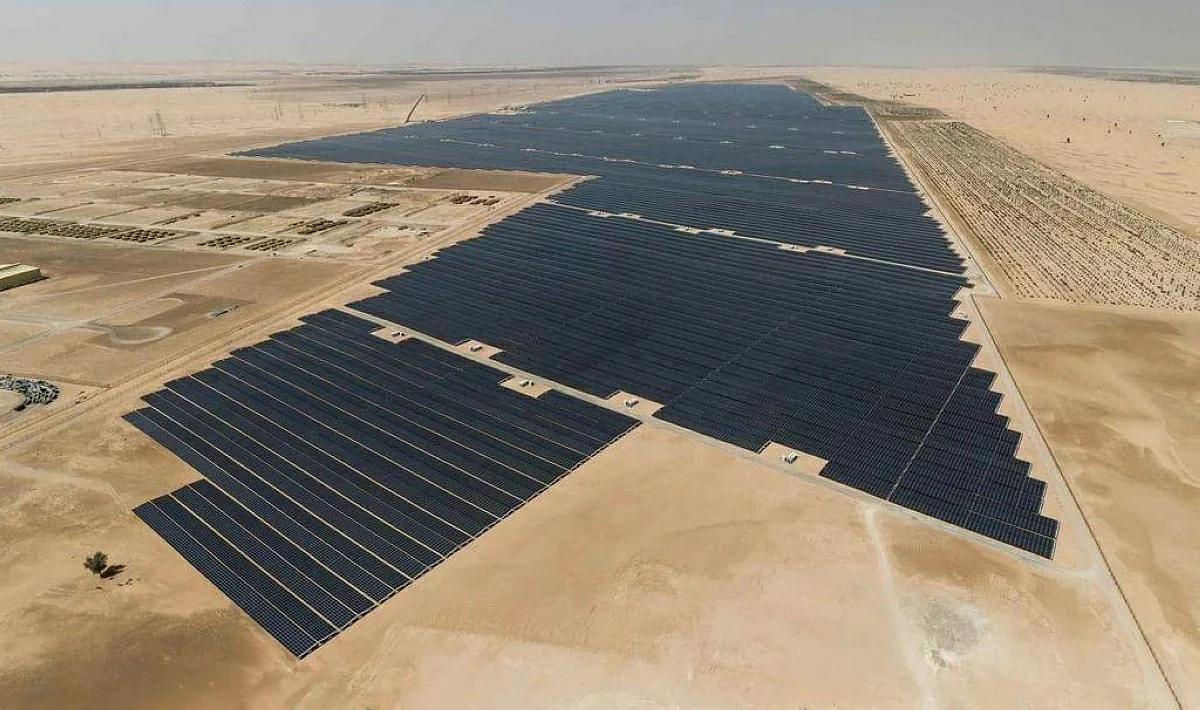
EWEC reported that Abu Dhabi's clean energy generation from nuclear, solar and wind rose from approximately 4,100 GWh in 2020 to over 49,300 GWh in 2025, lifting its share of total electricity output to nearly 46 percent. The surge was driven by the sequential commissioning of the four Barakah Nuclear Energy Plant units and large-scale solar installations including Al Dhafra and Noor Abu Dhabi. The result positions the emirate to advance Abu Dhabi Clean Energy Strategy 2035 and UAE Net Zero 2050 targets through further capacity additions and grid resilience investments.
COP31 Antalya Opens With Sharply Reduced Head-of-State Attendance as Host Promotes New Oil and Gas Exploration
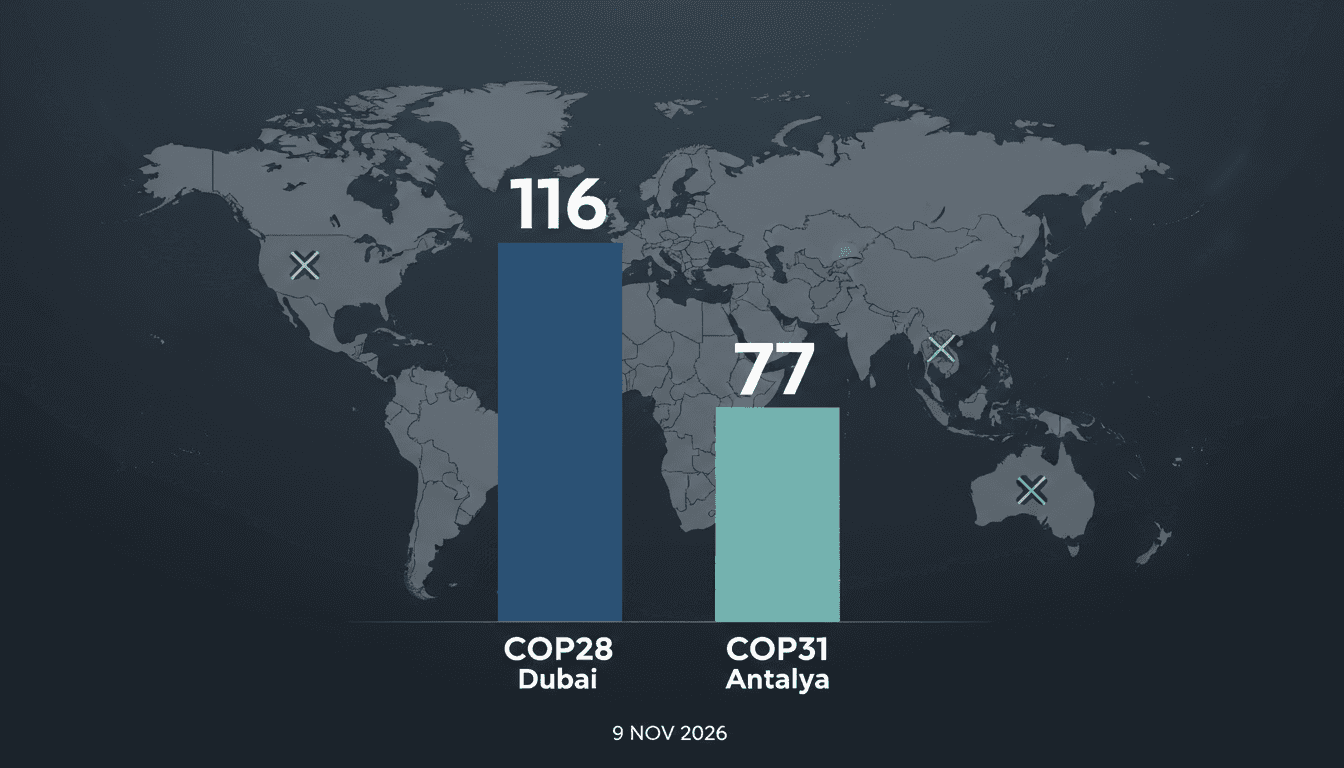
The 31st UN Climate Change Conference opened in Antalya, Türkiye on 9 November 2026 with only 77 heads of state or government scheduled for the leaders segment, down from 116 at COP28 in Dubai, and with the United States, China and several European leaders absent. The low turnout follows the United States' formal withdrawal from the Paris Agreement and UNFCCC and coincides with host Türkiye announcing new domestic oil discoveries and joint exploration plans with Venezuela. The trajectory points to continued negotiation on adaptation, finance and mitigation proceeding with diminished political priority, increasing pressure on COP31 outcomes and on European efforts to sustain multilateral climate leadership.
Latest Stories
COP31 Antalya Opens With Sharply Reduced Head-of-State Attendance as Host Promotes New Oil and Gas Exploration
The 31st UN Climate Change Conference opened in Antalya, Türkiye on 9 November 2026 with only 77 heads of state or government scheduled for the leaders segment, down from 116 at COP28 in Dubai, and with the United States, China and several European leaders absent. The low turnout follows the United States' formal withdrawal from the Paris Agreement and UNFCCC and coincides with host Türkiye announcing new domestic oil discoveries and joint exploration plans with Venezuela. The trajectory points to continued negotiation on adaptation, finance and mitigation proceeding with diminished political priority, increasing pressure on COP31 outcomes and on European efforts to sustain multilateral climate leadership.
Iran Seeks Compensation Mechanisms for Environmental Damage from US-Israeli Strikes at COP31
On November 11, 2026, Iranian President Masoud Pezeshkian called at the COP31 climate summit in Antalya for international mechanisms to assess and compensate environmental damage from US-Israeli strikes on Iranian energy infrastructure, citing reported releases of approximately 1.5 million tonnes of CO2 from facilities in Asaluyeh and near Tehran. The demand comes as the regional conflict that began with a US-Israeli offensive on February 28, 2026 continues, exposing a gap in existing climate frameworks that exclude wartime environmental impacts. The proposal is likely to remain a diplomatic initiative without formal mechanisms in the near term, though it may push wartime environmental accountability onto the agenda of future multilateral climate negotiations.
COP31 Leaders Summit Exposes Divergent National Priorities on Emissions Electrification and Finance
World leaders at the COP31 World Leaders Summit in Antalya, Türkiye, on 11–12 November 2026 set out competing demands on emissions cuts, a 35% electricity share of global energy by 2035, climate finance, and continued oil, gas and coal production. The divergence is driven by an unresolved clash between small island states and developing countries demanding faster action and fossil fuel producers asserting sovereign rights, amid conflicts and inflation that have shifted political focus toward energy security. Negotiators led by Türkiye and Australia must reconcile these incompatible positions before the conference concludes on 20 November, with consensus likely to center on implementing existing pledges rather than new targets.
COP31 Antalya Talks Open Without U.S. Federal Delegation as 2026 Tracks Above 1.5°C Warming
The 31st UNFCCC Conference of the Parties has convened in Antalya, Türkiye, from November 9 to 20, 2026, with nearly 200 countries negotiating emissions cuts, adaptation, and loss-and-damage finance without a formal U.S. federal delegation. The meeting is triggered by record global temperatures, with 2026 virtually certain to exceed 1.5°C above preindustrial levels, alongside energy market disruptions from the Iran conflict and climate-linked disasters such as Nepal's August 2026 floods. The likely horizon is incremental, domestically dependent progress on the 1.5°C limit, with implementation hinging on national follow-through and the trajectory of independent fossil-free roadmaps advanced after COP30 setbacks.