
IRGC Claims Control Over Navigation Routes in Strait of Hormuz
Here's what it means for you.
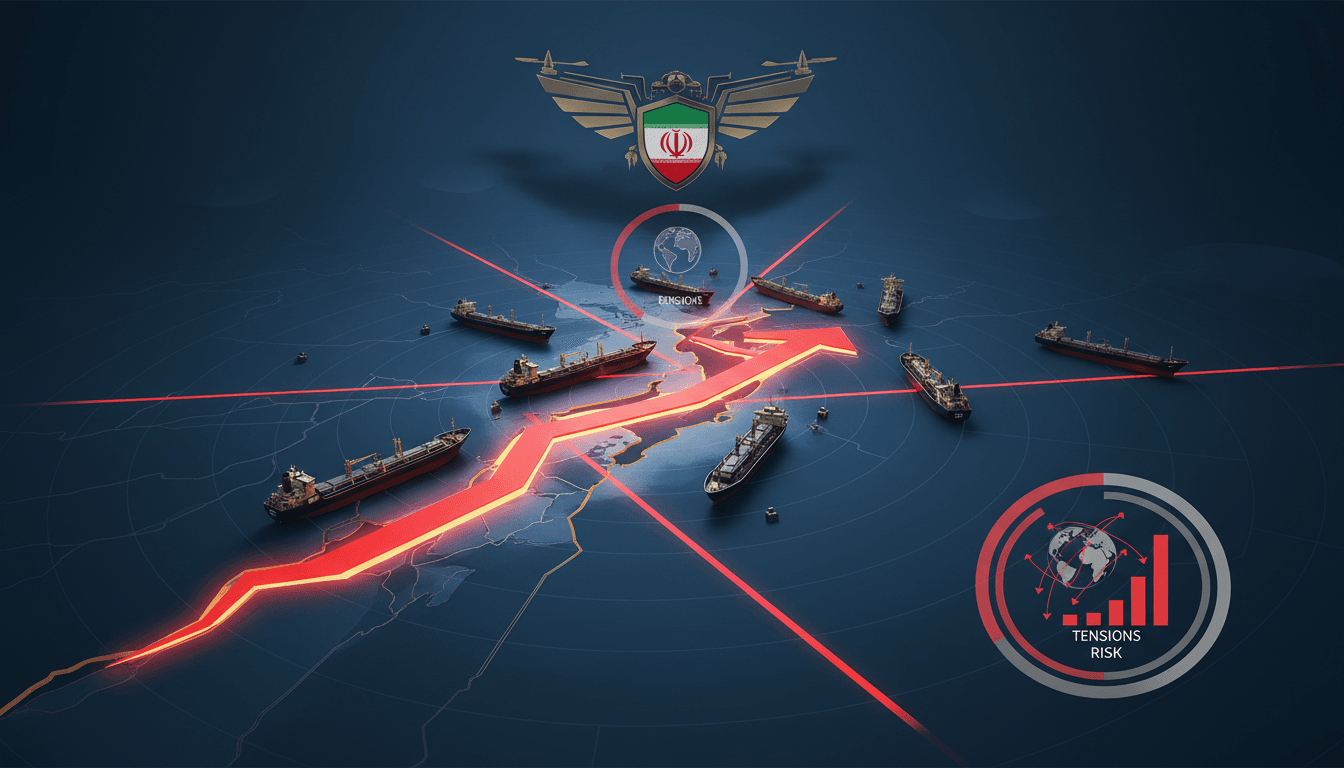
The Iranian Revolutionary Guard Corps (IRGC) has taken a firm stance on maritime navigation in the Strait of Hormuz, asserting that only routes designated by Iran are acceptable for safe passage. This declaration could lead to heightened tensions in a region critical for global oil shipments. Stakeholders in international shipping and energy markets should prepare for potential disruptions as Iran enforces its maritime claims. The implications of this situation extend beyond regional security, potentially affecting global oil prices and shipping routes. As geopolitical tensions rise, the IRGC's actions may prompt responses from other nations, further complicating the maritime landscape.
What happened
The Iranian Revolutionary Guard Corps has declared that navigation through the Strait of Hormuz must adhere to Iranian-designated corridors. This announcement emphasizes that any new routes not coordinated with Iran are deemed unacceptable and pose risks to public safety. The IRGC has warned of potential actions against vessels that do not comply with their regulations.
This declaration was made on June 25, 2026, underscoring Iran's ongoing efforts to assert control over this vital shipping lane. The IRGC's statements reflect a broader strategy to reinforce Iran's authority in the region amid rising geopolitical tensions.
The Context
The Strait of Hormuz is a critical maritime chokepoint for global oil shipments, making it a focal point for international trade and security. Historically, Iran has asserted control over maritime navigation in this area, often leading to escalated tensions with other nations. The geopolitical landscape is further complicated by ongoing conflicts involving Iran and its regional adversaries.
As the IRGC reinforces its claims, the potential for confrontations with non-compliant vessels increases. This situation is particularly significant given the strategic importance of the Strait of Hormuz, through which a substantial portion of the world's oil supply is transported.
Takeaway
The situation in the Strait of Hormuz remains tense, with Iran maintaining strict control over navigation routes. Observers should watch for potential military responses from Iran to vessels that do not adhere to their regulations. Additionally, international reactions to Iran's maritime claims will be crucial in shaping the future dynamics of this critical shipping lane.
As geopolitical tensions continue to evolve, the IRGC's firm stance may lead to increased confrontations, impacting global shipping routes and security in the region. Stakeholders in the maritime and energy sectors should remain vigilant as developments unfold.
Pan-Arab political news and analysis.
"Al-Quds Al-Arabi is a London-based Arabic newspaper known for political coverage."
— A47 Editor
الحرس الثوري: غير مقبول الإعلان عن مسار في مضيق هرمز دون تنسيق مع إيران
The Iranian Revolutionary Guard Corps stated that safe passage through the Strait of Hormuz can only occur via routes designated by Iran, declaring any new route announced without coordination with Iran as unacceptable and a threat to public safety. ...
Pan-Arab news coverage spanning politics, business, sports, and regional affairs.
"Asharq Al-Awsat reflects a broad Arab editorial perspective with strong attention to regional geopolitics."
— A47 Editor
«الحرس الثوري»: عبور مضيق هرمز يقتصر على المسار المحدد إيرانياً
The Iranian Revolutionary Guard Corps announced that safe passage through the Strait of Hormuz is only permitted via routes designated by Iran. This statement underscores Iran's control over this critical maritime chokepoint, which is vital for globa...
Jordanian news and regional updates.
"Roya News is a Jordanian outlet focused on breaking news and local affairs."
— A47 Editor
الحرس الثوري الإيراني يحذر: التنسيق معنا إلزامي لعبور مضيق هرمز ولا مسارات بديلة
The Iranian Revolutionary Guard Corps (IRGC) has issued a statement emphasizing that coordination with them is mandatory for any passage through the Strait of Hormuz, asserting that there are no alternative routes available. This warning underscores ...