
U.S. Congress Divided Over Military Funding and Engagement in Iran
Here's what it means for you.
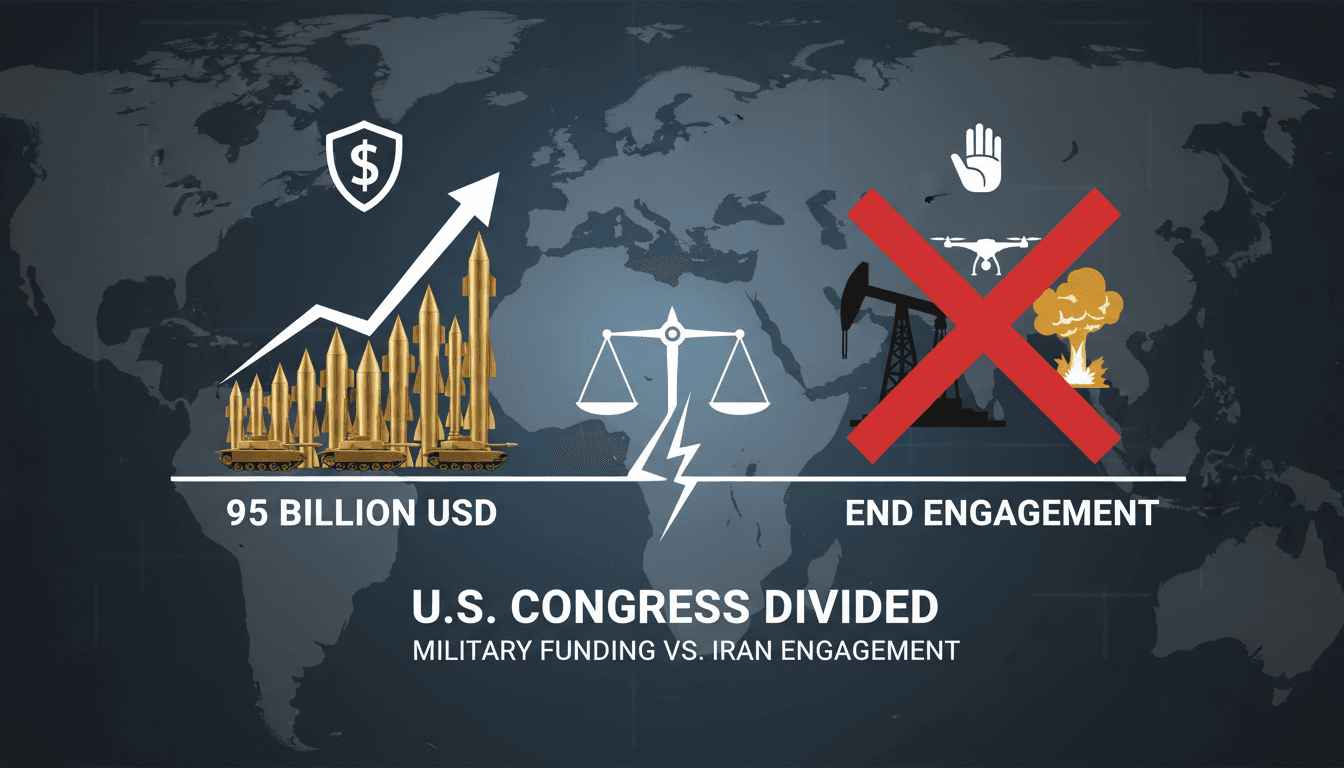
The recent actions by the U.S. House of Representatives signal a significant tension within Congress regarding military policy in Iran. The approval of a substantial military budget alongside a call to end military operations reflects a complex debate that could reshape U.S. foreign policy. Stakeholders in defense and international relations should closely monitor these developments as they may influence future military engagements and funding priorities. As lawmakers express growing concerns about military actions, the implications for U.S.-Iran relations could be profound. This division may lead to further discussions on the appropriateness of military involvement in the region.
What happened
The U.S. House of Representatives has approved a budget framework that allocates $95 billion for military operations. This budget includes $73 billion specifically designated for military forces. In a contrasting move, the House also passed a resolution urging President Trump to end military operations against Iran. This dual action highlights the ongoing debate among lawmakers regarding U.S. involvement in the region.
The resolution reflects a growing concern among members of Congress about the implications of continued military engagement in Iran. The Senate has yet to take a definitive stance on the budget framework or the resolution, complicating the legislative landscape.
The Context
The budget framework approved by the House represents a significant financial commitment to military operations, indicating the U.S. government's prioritization of defense spending. The resolution calling for an end to military actions against Iran underscores the complexities and divisions within U.S. foreign policy. As Congress grapples with these issues, the timing is critical, given the evolving geopolitical landscape in the Middle East.
Lawmakers are increasingly aware of the potential consequences of prolonged military engagement, which could affect both domestic and international relations. The Senate's forthcoming response will be pivotal in determining the future direction of U.S. military policy regarding Iran.
Takeaway
The conflicting actions of Congress may lead to further debates and potential changes in U.S. military policy regarding Iran. Observers should watch for the Senate's response to the House's budget framework and resolution, as this will shape the legislative outcome. The implications for U.S.-Iran relations remain significant, particularly as military funding continues to be a contentious issue.
As discussions evolve, the potential for shifts in U.S. foreign policy remains high, with far-reaching effects on both domestic and international fronts.
Pan-Arab news coverage spanning politics, business, sports, and regional affairs.
"Asharq Al-Awsat reflects a broad Arab editorial perspective with strong attention to regional geopolitics."
— A47 Editor
مجلس الشيوخ يعرقل مشروعاً لتقييد صلاحيات ترمب في حرب إيران
The U.S. Congress has sent conflicting messages regarding the war with Iran, as the House of Representatives approved a $95 billion budget framework that includes funding for military operations. Meanwhile, the Senate has obstructed a proposal aimed ...
Arabic-language coverage of international news and geopolitics.
"RT Arabic is a Russian state-funded outlet often criticized for promoting Kremlin-aligned narratives."
— A47 Editor
النواب الأمريكي يصدر قرارا يطالب ترامب بإنهاء الحرب على إيران
The U.S. House of Representatives has passed a resolution demanding President Donald Trump to cease military operations against Iran. This decision reflects growing concerns among lawmakers regarding the ongoing conflict and its implications for U.S....
Jordanian news and regional updates.
"Roya News is a Jordanian outlet focused on breaking news and local affairs."
— A47 Editor
النواب الأمريكي يقر إطار ميزانية بقيمة 95 مليارا يتضمن تمويلا للحرب على إيران
The U.S. House of Representatives has approved a budget framework amounting to $95 billion, which includes $73 billion allocated for military forces and agencies, specifically aimed at funding operations related to Iran. This decision reflects ongoin...