
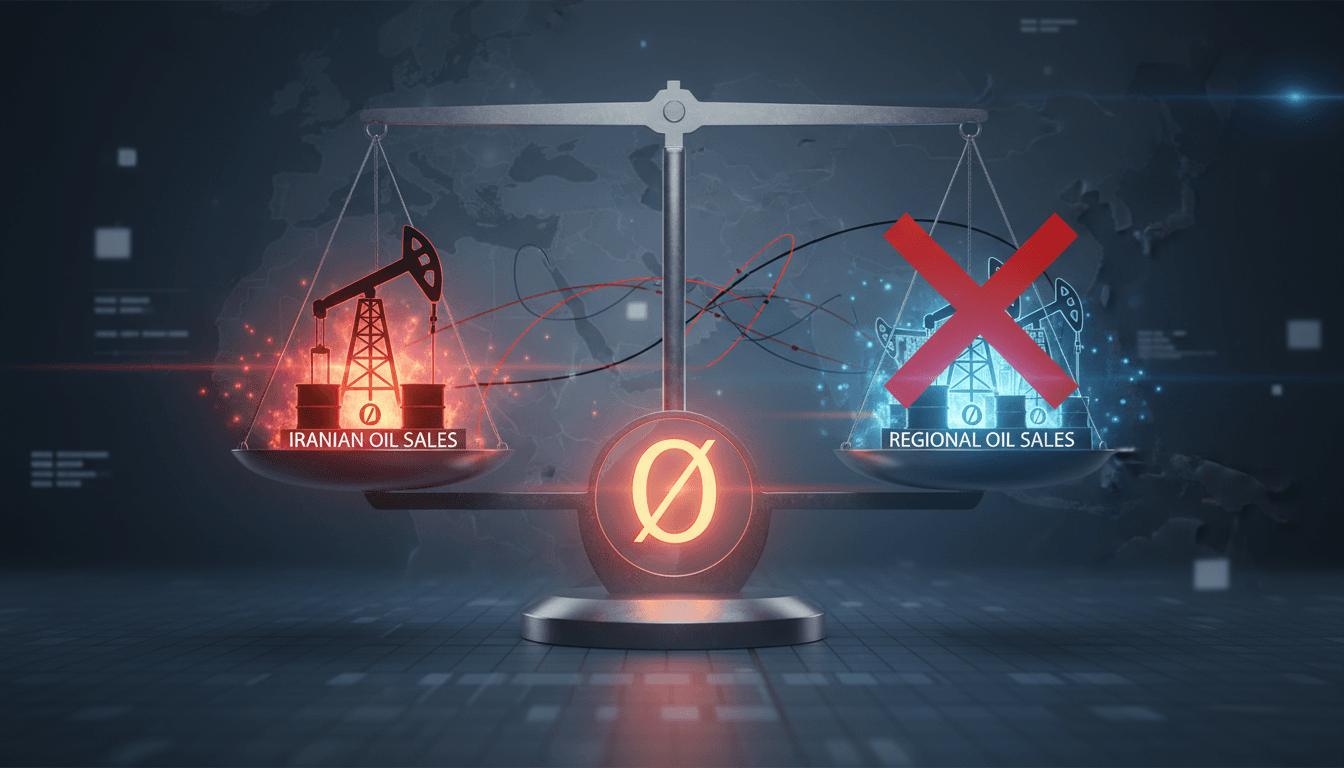
Iran warns that no oil will be sold in the region if it cannot sell its own
Here's what it means for you.
Iran's recent declaration regarding oil sales signals a potential shift in the geopolitical landscape of the Middle East. The assertion that no other country will sell oil if Iran cannot could lead to increased tensions and instability in the region. Stakeholders in the energy market should closely monitor these developments, as they may impact oil prices and supply chains. The implications of this statement extend beyond Iran, affecting regional players and global markets. As Iran prepares to respond to perceived threats, the situation could escalate, influencing international relations and energy policies.
What happened
Iranian Parliament Speaker Mohammad Baqer Qalibaf has made a bold statement asserting that if Iran cannot sell its oil, no other country in the region will be able to either. This declaration underscores Iran's firm stance amid rising geopolitical tensions. Qalibaf's remarks come as he criticizes U.S. actions, which he claims contradict their stated goals of de-escalation.
The comments reflect a broader narrative of resistance against external pressures, particularly from the United States. Iran is reportedly preparing to respond to these perceived threats, indicating a readiness for potential confrontations.
The Context
Qalibaf's statements highlight the ongoing geopolitical tensions in the region, particularly regarding oil sales. The U.S. has been accused of undermining peace efforts, which adds complexity to the situation. Iran's position on oil sales is not just about economics; it is also a matter of national pride and sovereignty.
The timing of these remarks is critical, as they come amidst heightened scrutiny of U.S.-Iran relations. The potential for conflict looms large, with Iran asserting its interests in the face of external pressures. This situation is likely to affect not only regional dynamics but also global energy markets.
Takeaway
The assertive stance taken by Iran suggests that tensions in the region are far from resolved. Observers should monitor U.S.-Iran relations closely for further developments, as any escalation could have significant implications for oil markets. Additionally, responses from other regional players regarding oil sales will be crucial in shaping the future landscape.
As Iran prepares for potential confrontations, the geopolitical environment remains volatile. Stakeholders should remain vigilant as the situation evolves, keeping an eye on how these dynamics may influence broader international relations.
Arabic-language coverage of international news and geopolitics.
"RT Arabic is a Russian state-funded outlet often criticized for promoting Kremlin-aligned narratives."
— A47 Editor
قاليباف: معادلة هذه الحرب واضحة.. إما الجميع أو لا أحد!
Iranian Parliament Speaker Mohammad Baqer Qalibaf stated on Wednesday that in a region where Iran does not sell oil, no one will sell oil. This statement reflects the ongoing tensions and challenges surrounding oil trade in the region.
Jordanian news and regional updates.
"Roya News is a Jordanian outlet focused on breaking news and local affairs."
— A47 Editor
قاليباف: لن يبيع أحد النفط في منطقة لا نبيع فيها نفطنا
Iranian Parliament Speaker Mohammad Baqer Qalibaf stated that no one will sell oil in a region where Iran does not sell its own oil. This statement underscores Iran's stance on oil sales and regional economic dynamics.
Jordanian news and regional updates.
"Roya News is a Jordanian outlet focused on breaking news and local affairs."
— A47 Editor
قاليباف: الأفعال الأمريكية تناقض مزاعم التهدئة وأعددنا أنفسنا للرد
Iranian Parliament Speaker Mohammad Baqer Qalibaf accused the United States of actions that contradict claims of de-escalation, indicating a readiness to respond. This statement reflects ongoing tensions between Iran and the U.S., highlighting the co...