
US Central Command enforces maritime blockade against Iran by redirecting commercial vessels
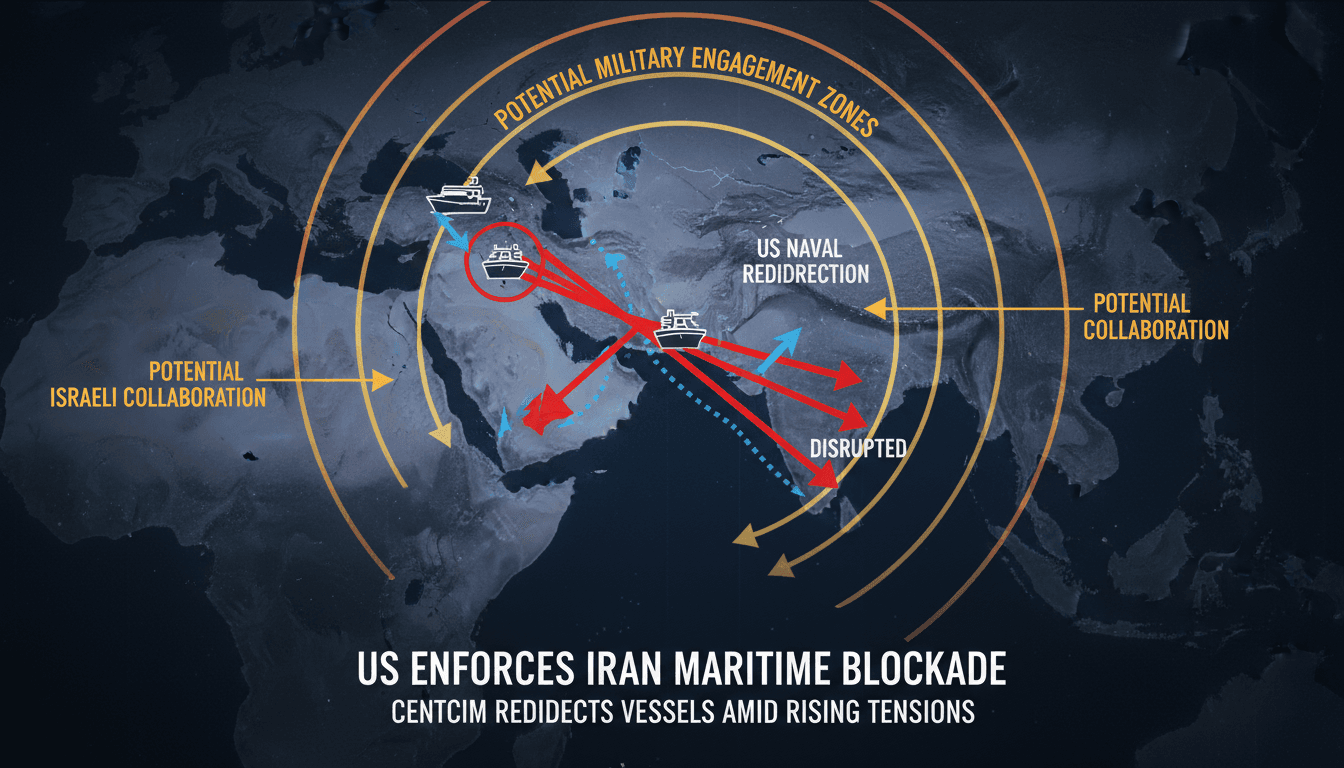
Here's what it means for you.
The U.S. Central Command's actions signal a significant escalation in military readiness in the Gulf region, which could impact global shipping and energy markets. Stakeholders in maritime trade should prepare for potential disruptions as the U.S. enforces its blockade against Iran. This situation may also influence U.S. foreign policy and defense strategies, particularly in collaboration with allies like Israel.
What happened
The U.S. Central Command has redirected 12 commercial vessels and disrupted one as part of a maritime blockade against Iran. This enforcement action is a response to rising tensions in the region, with President Trump considering broader military operations contingent on Iranian aggression. The blockade aims to enhance maritime security and deter potential threats from Iran.
The redirection of these vessels highlights the scale of U.S. military efforts to maintain control over critical shipping lanes, particularly in the Strait of Hormuz. The situation remains fluid, with ongoing discussions between U.S. and Israeli officials regarding strategies to address Iranian threats.
The Context
The backdrop of this blockade involves escalating tensions between the U.S. and Iran, with President Trump contemplating extensive military action if provoked. The potential for Israeli involvement adds another layer of complexity, as both nations assess their responses to Iranian provocations. The U.S. military has been actively conducting strikes against Iranian military and maritime capabilities, indicating a shift in its operational posture.
This development is crucial as it reflects the U.S. commitment to safeguarding its interests in the Gulf region. The ongoing discussions with Israeli officials suggest a collaborative approach to countering Iranian threats, which could reshape the security dynamics in the area.
Takeaway
As tensions rise, the likelihood of military engagement increases, with both U.S. and Israeli forces preparing for potential confrontations with Iran. Observers should watch for a potential meeting between President Trump and Israeli Prime Minister Netanyahu to discuss coordinated strategies. Further military actions by the U.S. may follow if Iranian threats persist, impacting regional stability and international relations.
The situation remains dynamic, and diplomatic efforts will be crucial in determining whether escalation can be avoided. Stakeholders should remain vigilant as developments unfold in the coming weeks.
Jordanian news and regional updates.
"Roya News is a Jordanian outlet focused on breaking news and local affairs."
— A47 Editor
القيادة المركزية الأمريكية: تغيير مسار 12 سفينة وتعطيل أخرى منذ استئناف الحصار البحري على إيران
The U.S. Central Command reported that since the resumption of the maritime blockade on Iran, 12 vessels have been redirected and another has been disabled. This action highlights the ongoing tensions in the region and the U.S. military's active role...
Arabic-language reporting on global and regional news.
"BBC Arabic is part of the BBC, generally regarded for editorial standards and broad international coverage."
— A47 Editor
ترامب يهدد بقصف منشآت مدنية إذا استُهدفت طهران سفناً بمضيق هرمز، ورئيس "الموساد" الإسرائيلي يعقد محادثات في واشنطن
The U.S. military has intensified its operations against Iran, marking the eleventh day of strikes targeting military and naval facilities, as well as drone capabilities, aimed at diminishing Tehran's threat to navigation in the Strait of Hormuz. Pre...
Arabic-language coverage of political affairs and current events.
"Okaz political coverage typically follows mainstream Saudi framing on national and regional affairs."
— A47 Editor
«سنتكوم» تعيد توجيه 9 سفن.. وترمب يدرس ضربة عسكرية واسعة لإيران
The U.S. Central Command (CENTCOM) has redirected nine commercial ships and disabled one vessel to ensure compliance with the maritime blockade against Iran. Concurrently, U.S. officials report that President Donald Trump is considering a large-scale...