
Russia warns of nuclear proliferation risks amid NATO's Asia-Pacific influence
What happened
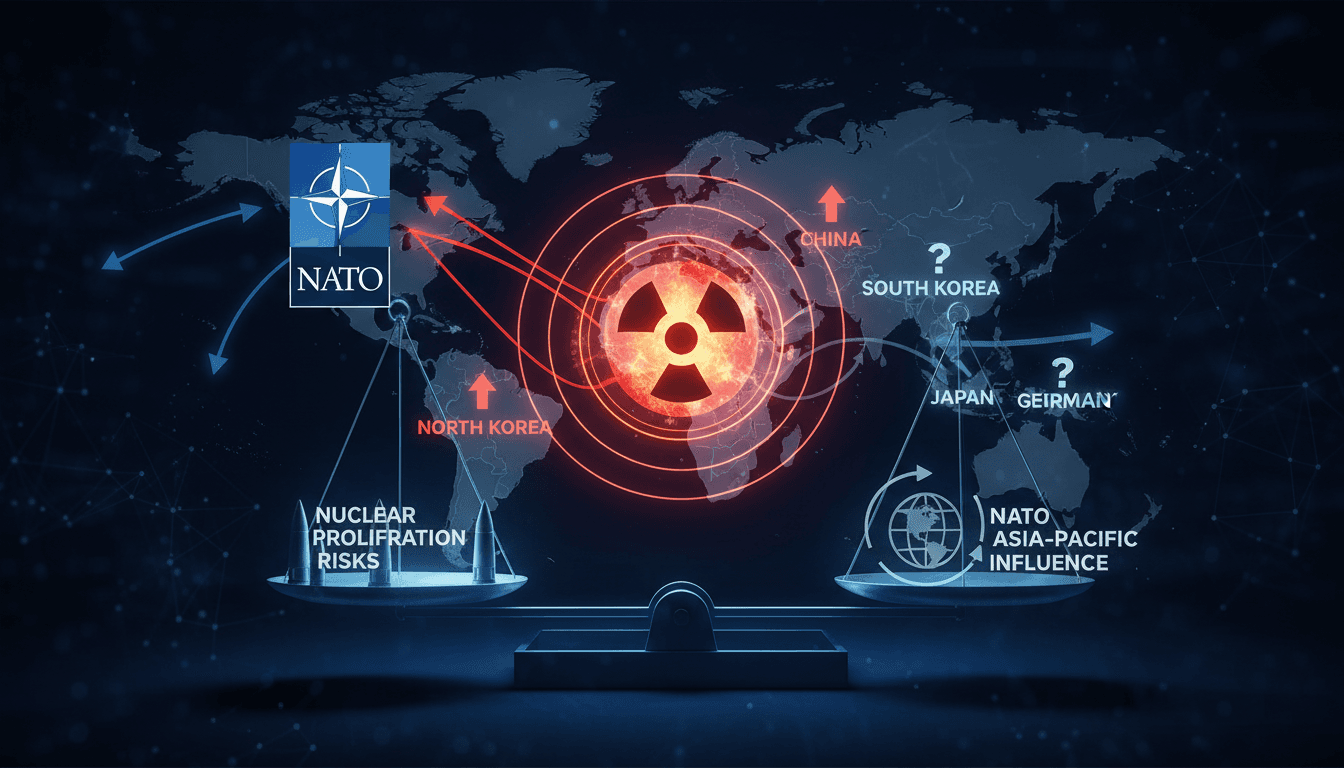
Russian Foreign Minister Sergey Lavrov has raised alarms about the militarization of the Asia-Pacific region, attributing this to NATO's influence. He warned that Western policies might drive nations to consider nuclear armament as a necessary measure for national security. Lavrov specifically expressed concerns regarding Germany's potential ambitions to acquire nuclear weapons, emphasizing the broader implications of NATO's expansion.
He articulated that ignoring security concerns could reinforce the belief that nuclear weapons are essential for sovereignty. This warning comes amid ongoing geopolitical tensions that could reshape defense strategies across the region.
The Context
The backdrop of Lavrov's statements involves a complex interplay of international relations, particularly regarding NATO's activities in the Asia-Pacific. As nations respond to perceived threats, the right to develop nuclear programs for peaceful purposes becomes a contentious issue. Lavrov criticized Western nations for exacerbating tensions and failing to address the security concerns of other countries.
The timing of these remarks is significant, as they coincide with heightened discussions about nuclear policies among various nations. The potential for an arms race looms large, as countries reassess their security strategies in light of NATO's influence.
Takeaway
The ongoing geopolitical tensions in the Asia-Pacific region may lead to an arms race as nations seek to secure their sovereignty. Observers should monitor developments in NATO's activities and the responses from other nations regarding their nuclear policies. The implications of these dynamics could reshape the security landscape, necessitating careful diplomatic engagement.
As countries navigate these challenges, the need for dialogue to address underlying issues becomes increasingly critical. The situation warrants close attention as it evolves, with potential ramifications for global stability.
Arabic-language coverage of international news and geopolitics.
"RT Arabic is a Russian state-funded outlet often criticized for promoting Kremlin-aligned narratives."
— A47 Editor
لافروف يحذر من مخاطر عسكرة منطقة آسيا والمحيط الهادئ بسبب تغلغل الناتو فيها
Russian Foreign Minister Sergey Lavrov warned during the East Asia Summit about the dangers of militarization in the Asia-Pacific region, attributing this concern to NATO's increasing influence in the area. He emphasized the potential risks associate...
Arabic-language coverage of political affairs and current events.
"Okaz political coverage typically follows mainstream Saudi framing on national and regional affairs."
— A47 Editor
هل يصبح السلاح النووي الضمانة الوحيدة لحماية السيادة؟
Russian Foreign Minister Sergey Lavrov warned of the consequences of Western policies in the Asia-Pacific region, suggesting that international pressures and breaches of security agreements may lead countries to view nuclear weapons as the only means...
Arabic-language coverage of international news and geopolitics.
"RT Arabic is a Russian state-funded outlet often criticized for promoting Kremlin-aligned narratives."
— A47 Editor
لافروف: روسيا قلقة إزاء الأنباء حول سعي ألمانيا للحصول على سلاح نووي
Russian Foreign Minister Sergey Lavrov expressed Moscow's concerns regarding reports that Germany intends to acquire nuclear weapons. This statement highlights the growing apprehension in Russia about potential shifts in Germany's defense strategy an...