
Trump Delays Military Action Against Iran Amid Defense Concerns
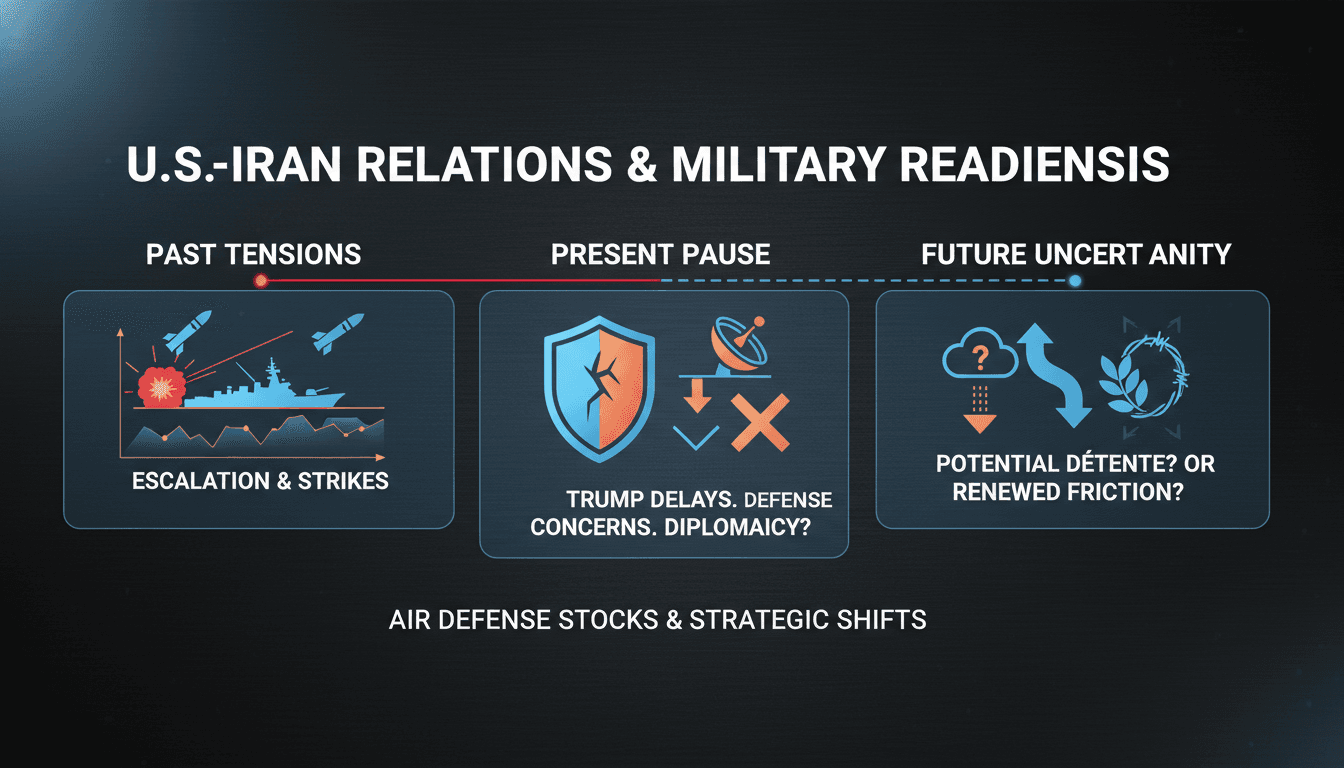
What happened
President Donald Trump has officially delayed a planned military strike on Iran, responding to concerns raised by his advisors and military leaders. The postponement is primarily due to fears regarding the depletion of air defense missile stocks, particularly the Patriot missile systems. This decision comes amid heightened tensions in the region and reflects a desire to avoid further escalation.
Reports indicate that Israel was prepared for a potential U.S. attack on Iran, highlighting the broader implications of this military strategy. However, the decision to delay suggests a pivot towards diplomatic negotiations rather than immediate military action.
The Context
The backdrop of this decision involves ongoing negotiations between the U.S. and Iran, with military leaders expressing concerns about exhausting critical defense resources. The timing is crucial, as the U.S. seeks to navigate complex regional dynamics while maintaining its defense posture. The implications of this decision extend beyond immediate military concerns, potentially affecting U.S.-Iran relations and regional stability.
Israel's readiness for a U.S. strike underscores the interconnected nature of these geopolitical tensions. The situation remains fluid, with various stakeholders closely monitoring developments as they unfold.
Takeaway
The postponement of military action against Iran may open avenues for renewed diplomatic engagement, signaling a potential shift in U.S. strategy. Observers should monitor developments in U.S.-Iran negotiations closely, as they could shape future interactions between the two nations. Additionally, Israel's response to this delayed military action will be critical in understanding the broader regional implications.
While this decision may alleviate immediate tensions, it leaves unresolved potential for future conflicts. Stakeholders should remain alert to how this situation evolves in the coming weeks.
Pan-Arab news coverage spanning politics, business, sports, and regional affairs.
"Asharq Al-Awsat reflects a broad Arab editorial perspective with strong attention to regional geopolitics."
— A47 Editor
ترمب يوقف تصعيداً كبيراً ضد إيران وسط مخاوف مستشاريه
U.S. President Donald Trump has postponed plans for a significant escalation against Iran, following concerns expressed by senior advisors and military leaders about the potential depletion of air defense missile stocks.
Arabic-language coverage of international news and geopolitics.
"RT Arabic is a Russian state-funded outlet often criticized for promoting Kremlin-aligned narratives."
— A47 Editor
"نيويورك تايمز": ترامب يؤجل تصعيد الضربات على إيران خشية استنزاف مخزونات صواريخ الدفاع الجوي
According to the New York Times, U.S. President Donald Trump has postponed plans to escalate military strikes against Iran due to concerns over depleting stockpiles of Patriot missile interceptors and other air defense munitions. This decision reflec...
Pan-Arab political news and analysis.
"Al-Quds Al-Arabi is a London-based Arabic newspaper known for political coverage."
— A47 Editor
“هيئة البث”: ترامب أرجأ هجوما أمريكيا واسعا على إيران
The Israeli Broadcasting Authority reported that Israel was prepared for a significant U.S. military strike on Iran, which could have led to Israeli intervention and escalated the conflict in the region. This potential attack was reportedly postponed...