
US Central Command recommends halting airstrikes in Strait of Hormuz amid Iran tensions
What happened
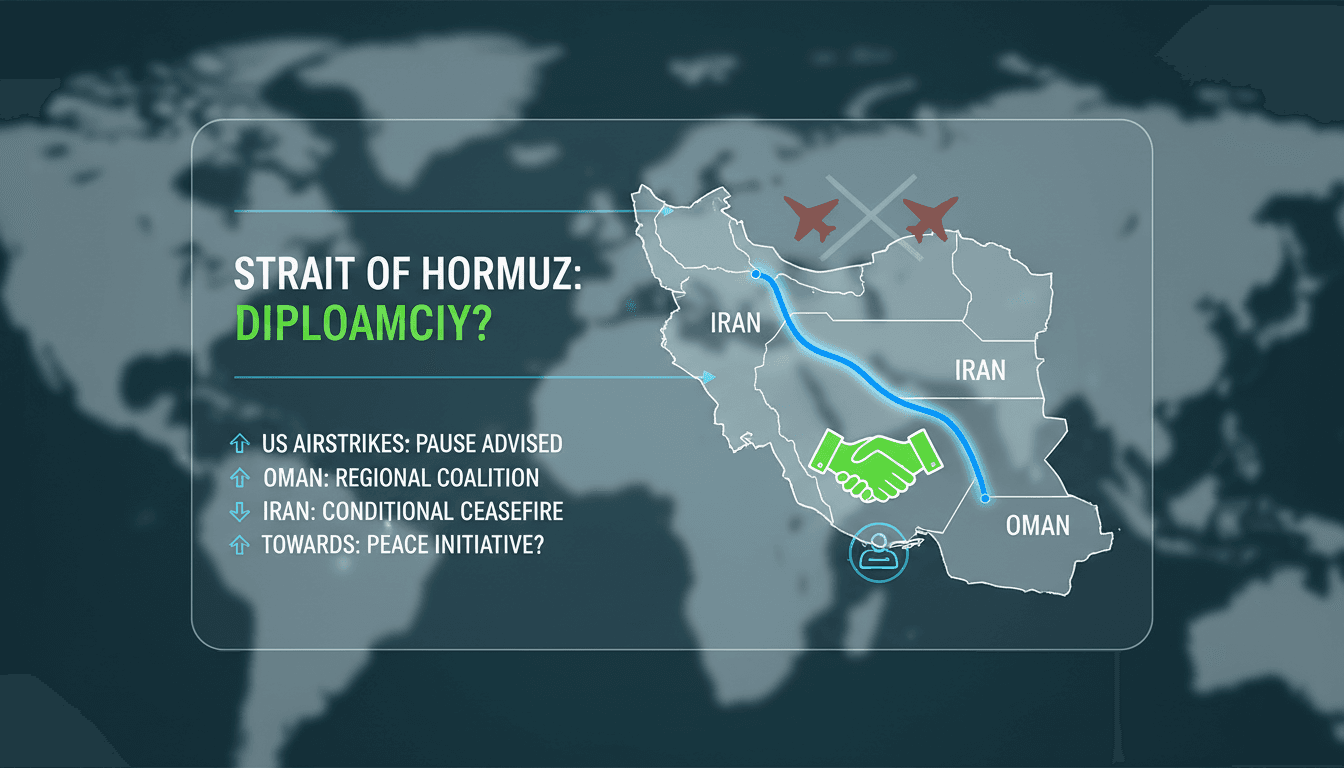
The U.S. Central Command has advised a halt to airstrikes in the Strait of Hormuz after achieving their military objectives. This recommendation comes after two weeks of airstrikes that reportedly weakened Iran's ability to attack shipping in the area. The decision reflects a strategic assessment of the effectiveness of military operations in the region.
Iran has indicated a conditional willingness to cease its attacks if the U.S. continues to suspend its strikes, although skepticism about U.S. intentions remains. This evolving situation highlights the complexities of military engagement and the potential for diplomatic resolutions.
The Context
Oman is proposing a regional coalition to manage the Strait of Hormuz, drawing parallels to the Malacca Strait's cooperative management. This initiative comes at a time when U.S. President Trump is reconsidering military operations in Iran based on recommendations from military advisors. The ongoing tensions between the U.S. and Iran have created a precarious environment, making Oman's role as a mediator increasingly significant.
The U.S. has left approximately 20% of military targets in Iran unstruck, indicating that future military actions could still be on the table. The situation remains fluid, with diplomatic efforts ongoing to stabilize the region and address the underlying issues between the U.S. and Iran.
Takeaway
The potential for a diplomatic resolution hinges on the willingness of both the U.S. and Iran to engage in dialogue. Observers should monitor developments in U.S.-Iran relations, particularly regarding military actions and Oman’s proposal for managing the Strait of Hormuz. The outcome of these discussions could significantly impact regional stability and international shipping routes.
As the situation unfolds, stakeholders will be looking for signs of progress or setbacks in diplomatic negotiations. The evolving dynamics in the Strait of Hormuz will be crucial for understanding the broader geopolitical landscape.
Jordanian news and regional updates.
"Roya News is a Jordanian outlet focused on breaking news and local affairs."
— A47 Editor
سي إن إن تكشف تفاصيل مقترح عماني بشأن إدارة مضيق هرمز
CNN has revealed details of an Omani proposal regarding the management of the Strait of Hormuz, a critical waterway for global oil transportation. The proposal aims to enhance security and cooperation in the region, reflecting Oman's strategic role i...
Jordanian news and regional updates.
"Roya News is a Jordanian outlet focused on breaking news and local affairs."
— A47 Editor
أكسيوس: القيادة المركزية الأمريكية توصي بوقف القصف في مضيق هرمز بعد تحقيق أهدافه
Reports indicate that the U.S. Central Command has recommended halting airstrikes in the Strait of Hormuz after achieving its objectives. This decision follows communications from Commander Cooper to the U.S. administration regarding the effectivenes...
Arabic-language coverage of political affairs and current events.
"Okaz political coverage typically follows mainstream Saudi framing on national and regional affairs."
— A47 Editor
وسط أنباء عن مقترح عُماني لإدارة «هرمز».. «سنتكوم» توصي بوقف قصف إيران
Amid reports of an Omani proposal to establish a regional alliance for managing the Strait of Hormuz, similar to the Malacca Strait, U.S. media revealed recommendations from U.S. Central Command to halt airstrikes against Iran unless a decision is ma...