
US bans imports of foreign-made humanoid robots citing national security
What happened
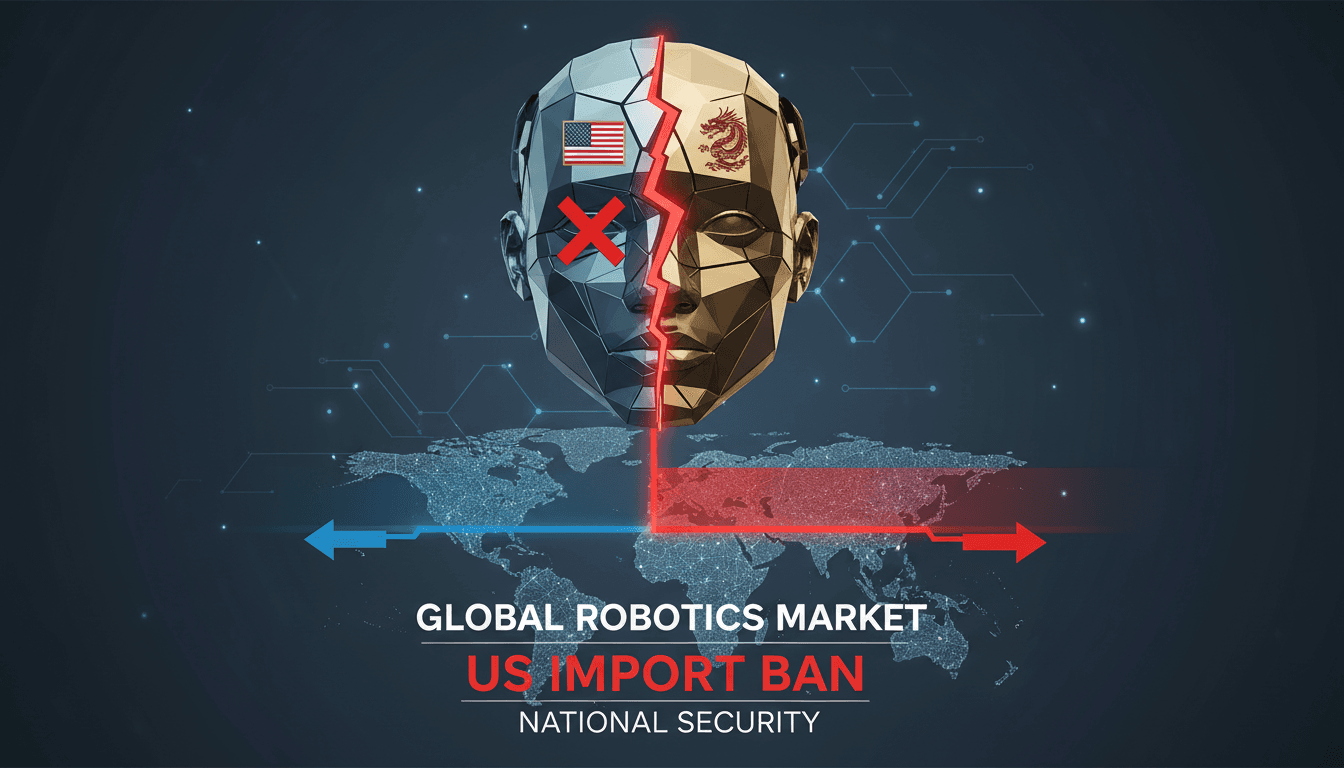
On July 29, 2026, the Federal Communications Commission (FCC) announced a ban on the importation of foreign-produced humanoid robots and power inverters. This decision specifically targets products from China, citing national security risks associated with these advanced technologies. The ban effectively means that no new Chinese humanoid robots can be imported into the U.S., significantly impacting the market.
Federal authorities have classified these devices as posing an "unacceptable risk" to national security. This action is part of a broader initiative to limit dependence on Chinese technology amid escalating tensions between the two nations.
The Context
The FCC's ban is indicative of the intensifying rivalry between the U.S. and China in the technology and artificial intelligence sectors. As geopolitical tensions rise, the U.S. government is increasingly focused on safeguarding national security through stricter technology policies. This move reflects growing concerns over the potential security threats posed by advanced robotics and their applications.
The decision comes at a time when the global technology landscape is rapidly evolving, with nations vying for leadership in AI and robotics. Stakeholders in the tech industry must now navigate a more complex regulatory environment as the U.S. seeks to reshape its international technology trade relationships.
Takeaway
Looking ahead, the U.S. may continue to impose further restrictions on technology imports from China as geopolitical tensions persist. This could lead to retaliatory measures from China regarding U.S. technology exports, further complicating the international trade landscape. Future developments in U.S. technology policy will be crucial in determining the trajectory of these relationships.
As the situation unfolds, businesses and policymakers will need to stay informed about potential changes in regulations and their implications for the technology market. The ongoing competition between the U.S. and China will likely shape the future of international technology trade.
Global business headlines with AI angles.
"General business outlet that frequently covers AI."
— A47 Editor
U.S. Officials Believe Chinese Robots Could Pose A Security Threat. Their Sales Have Been Banned
Federal authorities in the United States have imposed a ban on the import of foreign-made advanced robotic devices, specifically targeting Chinese robots, due to concerns over national security risks. This decision reflects growing apprehensions rega...
Industry news and analysis for the global AI community.
"A business-first look at AI adoption, policy, and ecosystem trends."
— A47 Editor
FCC Blocks Chinese Humanoid Robot Imports, Citing Security Risks
The Federal Communications Commission (FCC) has implemented a ban on the importation of Chinese humanoid robots and power inverters, citing national security risks as a primary concern. This decision aligns with the Trump administration's ongoing eff...
Capitol Hill news, legislation, and policy insight.
"The Hill specializes in U.S. politics and policy, with a focus on Capitol Hill developments and a reputation for insider reporting."
— A47 Editor
Trump administration bans foreign-made humanoid robots in move targeting China
The Federal Communications Commission (FCC) has implemented a ban on the importation of foreign-made humanoid robots and power inverters, primarily targeting products from China, citing national security concerns. This decision reflects the Trump adm...
Global news coverage with extensive reporting on Middle Eastern conflicts and geopolitics.
"Al Jazeera is a Qatar-based broadcaster known for wide regional coverage and alternative perspectives."
— A47 Editor
US bans imports of new Chinese robots over security concerns
The United States has announced a ban on imports of new humanoid robots from China, citing national security concerns. This decision is part of a broader strategy to reduce reliance on Chinese technology and follows similar actions by the Federal Com...
Comprehensive coverage of Middle Eastern and global issues.
"Al Jazeera is a prominent voice from the Global South, especially the Middle East, with an emphasis on underreported stories."
— A47 Editor
US bans imports of new Chinese robots over security concerns
The United States has announced a ban on imports of new humanoid robots from China, citing national security concerns. This decision is part of a broader strategy to reduce reliance on Chinese technology and follows similar actions by the Federal Com...