
Trump Administration Prioritizes Economic Pressure Over Military Action Against Iran
Here's what it means for you.
The Trump administration's shift towards economic pressure on Iran signals a significant change in U.S. foreign policy. This approach may influence global oil markets and regional stability, as Iran's economy continues to struggle under sanctions. Stakeholders should prepare for potential shifts in negotiations regarding Iran's frozen assets and the broader implications for U.S.-Iran relations. As the U.S. focuses on economic factors, businesses and policymakers must remain vigilant about the evolving landscape in the Middle East. The ongoing economic challenges faced by Iran could lead to increased urgency for diplomatic resolutions.
What happened
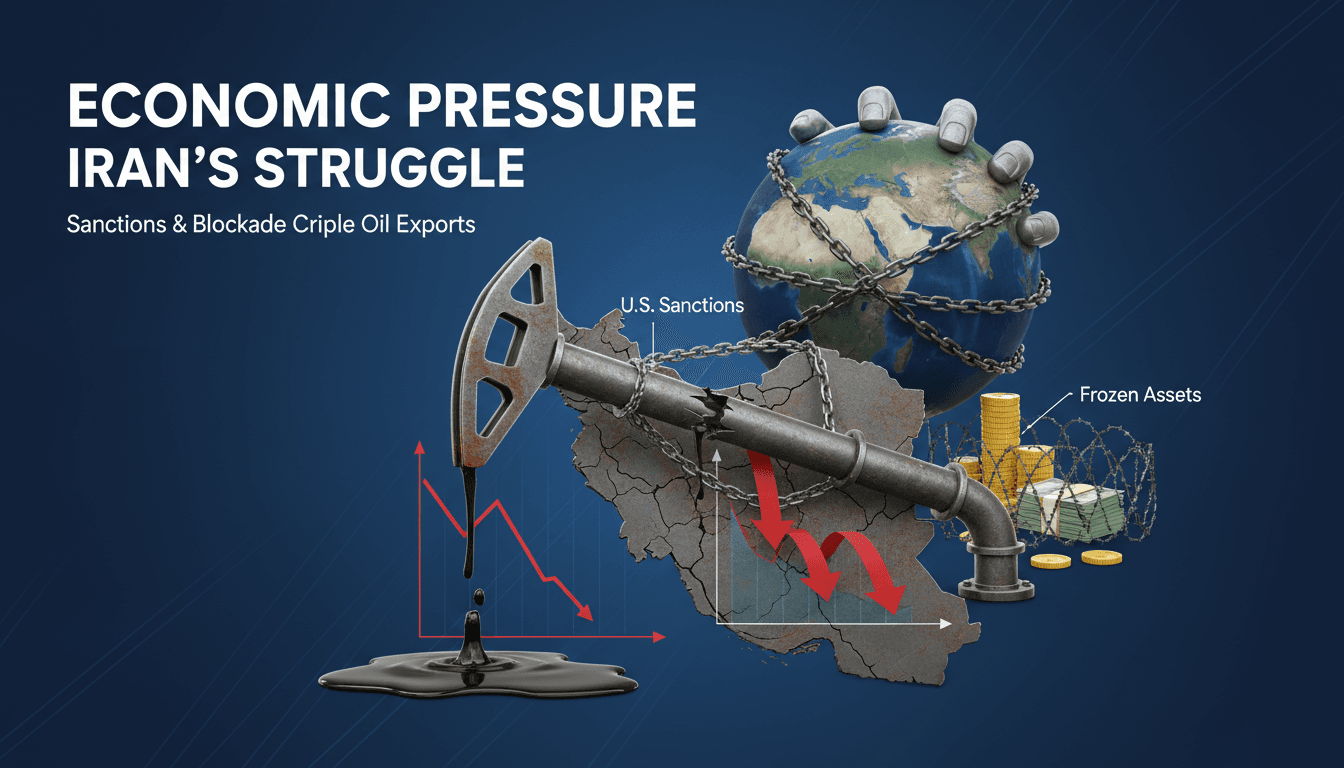
President Donald Trump has confirmed a strategic pivot towards applying economic pressure on Iran rather than pursuing military action. This decision comes as the U.S. administration monitors Iran's economic struggles, which have been exacerbated by U.S. sanctions and a maritime blockade. Trump emphasized that the U.S. is not seeking new military actions, indicating a preference for indirect negotiations.
The administration's focus on economic sanctions aims to compel Iran to engage in discussions regarding critical issues, including the Strait of Hormuz and its frozen assets. Reports indicate that Iran's oil exports have been significantly disrupted, with key loading facilities on Khark Island remaining inactive for extended periods.
The Context
Iran's economy is currently facing severe challenges, primarily due to the impact of U.S. sanctions and a maritime blockade. The situation has led to high inflation and a lack of funds, pushing Iran into a precarious economic position. The U.S. strategy of economic pressure is designed to leverage these vulnerabilities to encourage negotiations.
Negotiations concerning the Strait of Hormuz have stalled, largely due to Iranian resistance. The U.S. administration's decision to prioritize economic factors over military options reflects a calculated approach to influence Iran's actions without escalating tensions further. This strategy is particularly relevant given the geopolitical significance of the Strait of Hormuz, a critical passage for global oil shipments.
Takeaway
Looking ahead, the U.S. is likely to continue its economic strategy while keeping diplomatic channels open with Iran. The potential for developments in negotiations regarding Iran's frozen assets remains a key area to watch. As the U.S. maintains its economic pressure, the urgency for negotiations may increase, but the risk of escalation persists if diplomatic efforts falter.
Monitoring Iran's economic conditions will be crucial, as these factors could significantly impact regional stability. Stakeholders should remain alert to any shifts in the U.S.-Iran relationship that could arise from ongoing economic challenges.
Arabic-language coverage of Saudi, regional, and international affairs.
"Al Bilad offers mainstream Saudi newspaper coverage across domestic and broader Arab topics."
— A47 Editor
أكد تفضيل الضغوط الاقتصادية على التصعيد العسكري.. ترمب: واشنطن تتعامل بهدوء مع إيران
U.S. President Donald Trump stated that his administration continues to engage with Iran through a combination of economic pressures and diplomatic efforts, emphasizing that Washington is not currently seeking extensive military escalation. This come...
Arabic-language coverage of political affairs and current events.
"Okaz political coverage typically follows mainstream Saudi framing on national and regional affairs."
— A47 Editor
ترمب يصعد الضغوط الاقتصادية.. الحصار الأمريكي يشل تصدير النفط الإيراني
President Donald Trump is intensifying economic pressures on Iran instead of launching a new military attack, as Tehran continues to escalate tensions and obstruct the announcement of an agreement with Oman regarding transit arrangements in the Strai...
Arabic-language reporting on global and regional news.
"BBC Arabic is part of the BBC, generally regarded for editorial standards and broad international coverage."
— A47 Editor
طهران: "لا داعي للقلق" من اتفاقية مكة للدفاع، وترامب يقول إن واشنطن تتعامل بـ"هدوء" مع إيران
The Trump administration prefers to maintain economic pressure on Iran while diplomatic efforts continue amidst Israeli warnings regarding Iran's nuclear program. Iran has stated that the joint defense agreement signed in Mecca reflects a shift in th...
Arabic-language coverage of political affairs and current events.
"Okaz political coverage typically follows mainstream Saudi framing on national and regional affairs."
— A47 Editor
بين العقوبات والحصار.. واشنطن تراهن على إنهاك الاقتصاد الإيراني
U.S. Ambassador to the United Nations, Mike Waltz, stated that Iran is more concerned about the economic pressures from the U.S. than military ones, emphasizing that Tehran is focused on accessing frozen assets during negotiations. He noted that econ...
Pan-Arab news coverage spanning politics, business, sports, and regional affairs.
"Asharq Al-Awsat reflects a broad Arab editorial perspective with strong attention to regional geopolitics."
— A47 Editor
ترمب: نتعامل بهدوء مع إيران
U.S. President Donald Trump stated that his administration is handling relations with Iran "calmly" while monitoring the increasing economic pressures on the country, noting that communications between the two sides do not amount to negotiations.
Arabic-language coverage of political affairs and current events.
"Okaz political coverage typically follows mainstream Saudi framing on national and regional affairs."
— A47 Editor
ترمب: لا هجوم جديداً.. مفاوضات إيران تمضي كالشطرنج
U.S. President Donald Trump stated that negotiations with Iran are ongoing and likened them to a game of chess, emphasizing a calm approach without escalation. He noted Iran's severe economic struggles, exacerbated by maritime sanctions, and expresse...