
Netanyahu Rejects Gaza Peace Plan as Hamas Reaffirms Commitment
Here's what it means for you.
The rejection of the U.S.-backed peace plan by Israeli Prime Minister Benjamin Netanyahu signals a significant political maneuver as he approaches upcoming elections. This decision may impact international relations and the dynamics of the ongoing conflict in Gaza. Stakeholders, including the U.S. administration, will need to navigate these tensions carefully to foster a conducive environment for peace. The implications of this rejection extend beyond immediate political gains, as the effectiveness of international mediation will be crucial in shaping the future of the region. The ongoing divide between Israeli leadership and Hamas complicates the path toward a sustainable resolution.
What happened
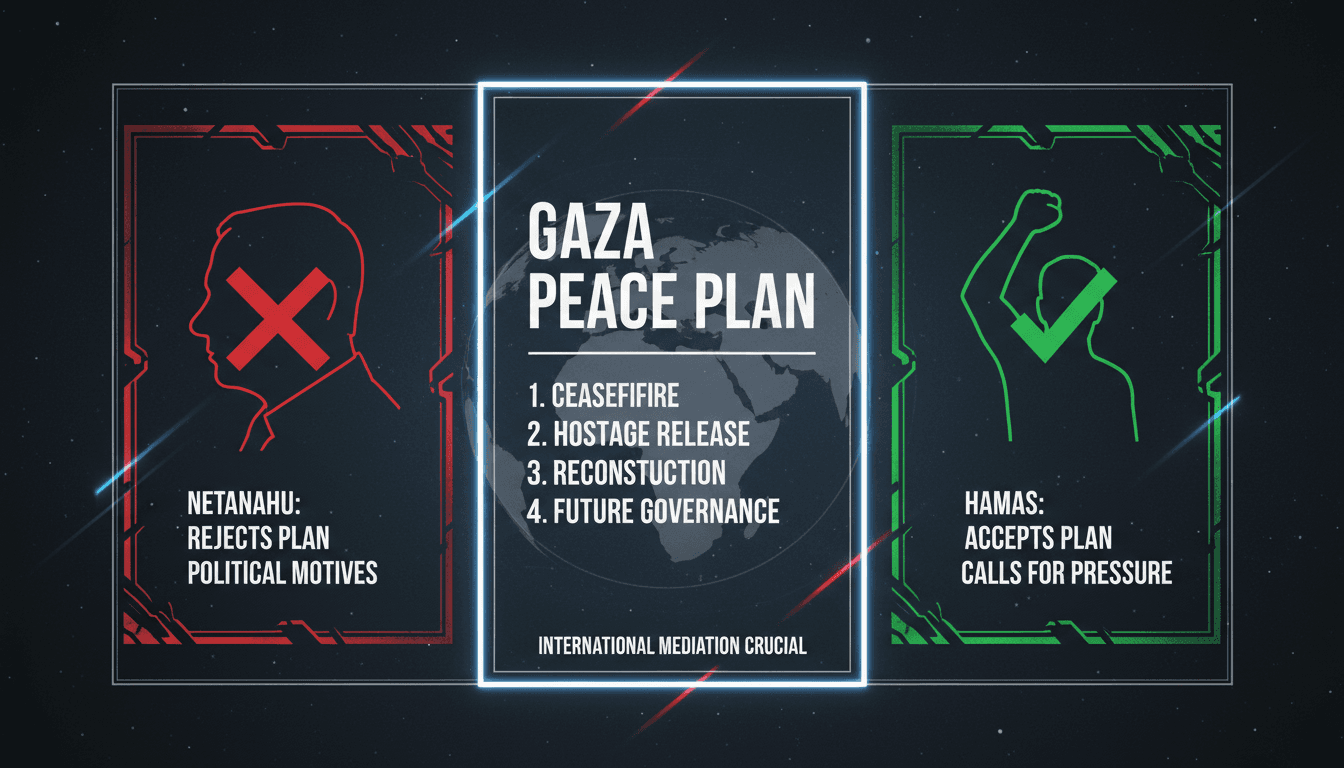
Israeli Prime Minister Benjamin Netanyahu has publicly rejected the U.S.-backed peace plan for Gaza, which aims to disarm Hamas and transfer governance to a national committee. In contrast, Hamas has reaffirmed its commitment to the plan and is calling for international pressure on Israel to comply with its terms. This rejection by Netanyahu is perceived as politically motivated, especially with elections on the horizon.
The peace plan consists of 15 key points designed to address the longstanding conflict in Gaza. Despite Netanyahu's stance, the U.S. administration remains unconcerned as long as Israel limits its military actions in the region. The situation highlights the ongoing tensions between Israel and Hamas regarding the future governance of Gaza.
The Context
The peace plan was initially proposed by the Trump administration and is viewed as a critical step to prevent further conflict in the region. Netanyahu's rejection raises questions about Israel's willingness to engage in meaningful negotiations, particularly given the upcoming elections that may influence his political strategy. Hamas, on the other hand, is leveraging this moment to seek international support and pressure on Israel.
The divide between Israeli leadership and Hamas underscores the complexities of achieving lasting peace in Gaza. As both sides dig in their heels, the role of international mediators becomes increasingly important in determining the future of the peace plan and the broader conflict.
Takeaway
Looking ahead, the effectiveness of international mediation will be pivotal in determining whether the peace plan can be revived and implemented. Potential U.S. diplomatic efforts may emerge to bridge the gap between Israel and Hamas, especially as the political landscape shifts with the upcoming Israeli elections. Observers should monitor how these developments unfold and their impact on peace negotiations.
The ongoing tensions suggest that the path to resolution will require significant diplomatic engagement and a willingness from both sides to compromise. The future of the Gaza peace plan hinges on the ability of mediators to influence Israeli compliance and foster dialogue.
Arabic-language coverage of international news and geopolitics.
"RT Arabic is a Russian state-funded outlet often criticized for promoting Kremlin-aligned narratives."
— A47 Editor
مسؤول في مجلس السلام: الخطة الخاصة بغزة لا تزال قائمة
A spokesperson from the Peace Council stated to Reuters that President Donald Trump's plan regarding the Gaza Strip remains in effect. This indicates that the proposed strategies for the region are still being considered and have not been abandoned.
Arabic-language coverage of political affairs and current events.
"Okaz political coverage typically follows mainstream Saudi framing on national and regional affairs."
— A47 Editor
رغم مماطلة نتنياهو.. مجلس السلام يتمسك بخطة غزة
A peace official announced that the peace plan for Gaza remains fully in effect, despite Israeli Prime Minister Benjamin Netanyahu's refusal to withdraw from the territory until Hamas is completely disarmed. Discussions with Israel regarding the road...
Arabic-language coverage of international news and geopolitics.
"RT Arabic is a Russian state-funded outlet often criticized for promoting Kremlin-aligned narratives."
— A47 Editor
غزة.. سحب السلاح يعرقل خريطة الطريق
Hamas has reaffirmed its commitment to the roadmap proposed by the Peace Council under the auspices of Washington, despite Israeli rejection, which raises hopes among Palestinians for an end to the war and the blockade.
Arabic-language coverage of Saudi, regional, and international affairs.
"Al Bilad offers mainstream Saudi newspaper coverage across domestic and broader Arab topics."
— A47 Editor
نتنياهو يرفض «خطة غزة» ويتمسك بنزع سلاح حماس
Israeli Prime Minister Benjamin Netanyahu has rejected the proposed Gaza plan, leading to renewed tensions between Israel and Hamas regarding the future of the ceasefire agreement and the roadmap for the Gaza Strip. Hamas has reaffirmed its commitmen...
Pan-Arab news coverage spanning politics, business, sports, and regional affairs.
"Asharq Al-Awsat reflects a broad Arab editorial perspective with strong attention to regional geopolitics."
— A47 Editor
«مجلس السلام»: خطة غزة التي رفضها نتنياهو هي «الطريق الوحيد للمضي قدماً»
The Peace Council established by Trump stated that the U.S.-backed plan for Gaza, which was rejected by Netanyahu, is the 'only way forward' to prevent a recurrence of the October 7 attack.
Jordanian news and regional updates.
"Roya News is a Jordanian outlet focused on breaking news and local affairs."
— A47 Editor
حماس: ما زلنا ملتزمين بخارطة الطريق المتفق عليها مع الوسطاء ومجلس السلام
Hamas reaffirmed its full commitment to the agreed-upon roadmap with mediators and the Peace Council on Sunday, emphasizing its dedication to the outlined plan. This statement reflects the organization's ongoing engagement in diplomatic efforts aimed...