
Trump Indicates Iran's Willingness to Negotiate with the U.S.
Here's what it means for you.
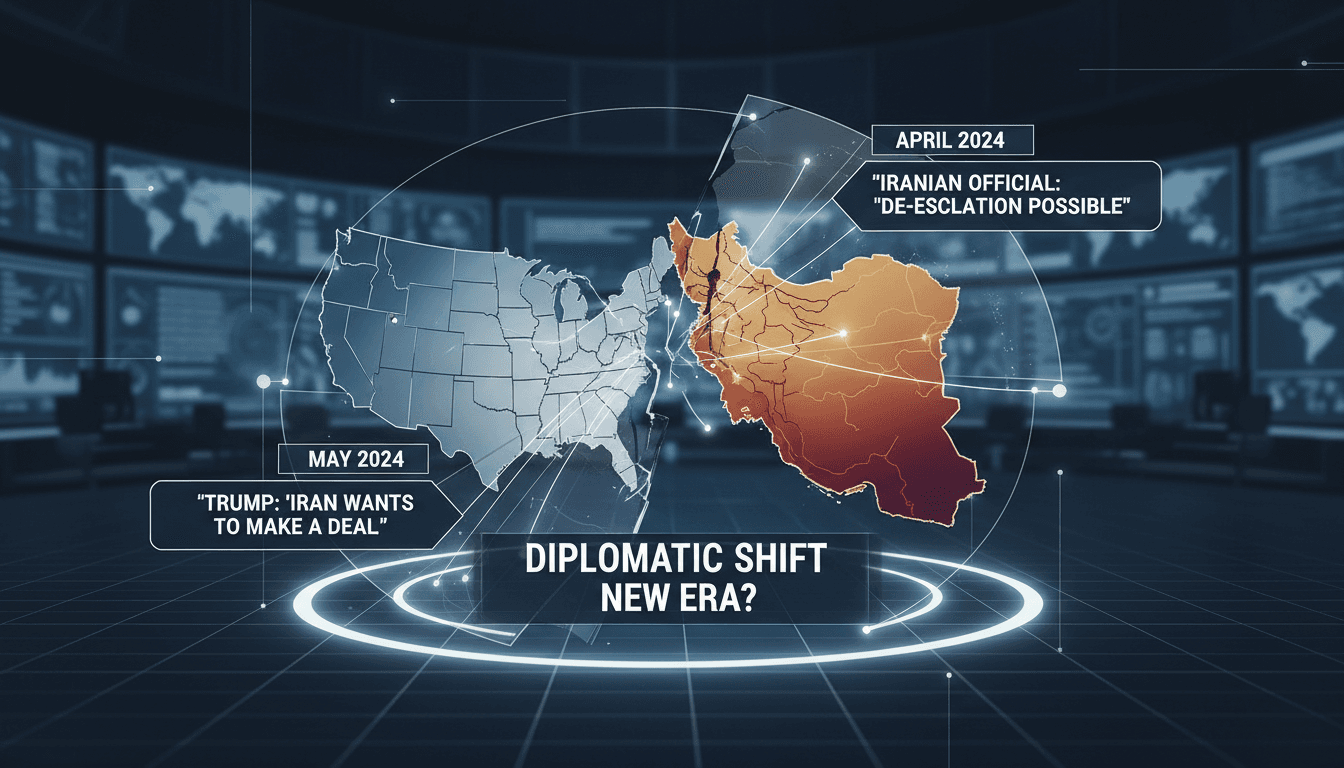
President Trump's announcement regarding Iran's interest in negotiations signals a potential shift in U.S.-Iran relations. This diplomatic approach may lead to reduced tensions in the region, impacting both market stability and international policy. Stakeholders should monitor developments closely, as the outcome could reshape geopolitical dynamics.
What happened
President Donald Trump has indicated that Iran is interested in reaching an agreement with the United States, preferring diplomatic solutions over military action. He emphasized ongoing negotiations and the desire to avoid conflict, while also keeping military options available if diplomacy fails. Trump stated that Iran wants to negotiate a deal with the U.S. to avoid military confrontation, highlighting a significant moment in U.S.-Iran relations.
The U.S. administration is actively pursuing diplomatic channels with Iran, which could shape future relations in the region. Trump's remarks suggest a strategic pivot towards dialogue, reflecting a desire to prevent escalation and loss of life. This development comes amid ongoing tensions and military posturing in the area.
The Context
Trump has expressed a preference for diplomacy over military action regarding Iran, believing that Iran does not want to face a new military strike from the U.S. This context is crucial as both nations navigate a complex relationship marked by historical conflicts and recent provocations. The timing of these negotiations is significant, as both parties seek to reduce tensions and prevent conflict.
The U.S. continues to engage in negotiations with Iran in hopes of reaching an agreement that could alter the geopolitical landscape of the region. The singular focus on achieving a diplomatic resolution underscores the urgency of the situation. As both sides explore potential avenues for dialogue, the implications for regional stability remain profound.
Takeaway
As negotiations continue, the focus will be on whether diplomatic efforts can yield a sustainable agreement. The U.S. administration's commitment to pursuing diplomacy may lead to a new chapter in U.S.-Iran relations, with potential ripple effects across the Middle East. Observers should watch for responses from Iranian officials regarding Trump's statements, as these could provide insight into the likelihood of a successful negotiation.
Future developments in U.S.-Iran negotiations will be critical in determining the trajectory of their relationship. The outcome could significantly influence regional dynamics and international policy, making it essential for stakeholders to stay informed.
Pan-Arab political news and analysis.
"Al-Quds Al-Arabi is a London-based Arabic newspaper known for political coverage."
— A47 Editor
ترامب يقول إن إيران تريد التوصل لاتفاق
U.S. President Donald Trump stated that Iran is seeking to reach an agreement with the United States, claiming that Tehran is not interested in facing another American military strike. In an interview with 'Punch Bowl News' on Friday, Trump emphasize...
Algerian and regional news coverage.
"Echorouk is a major Algerian outlet with broad national reporting."
— A47 Editor
Trump dit privilégier un accord avec l’Iran, mais avertit que l’option militaire reste sur la table
U.S. President Donald Trump expressed a preference for reaching a diplomatic agreement with Iran rather than resorting to military action, while also cautioning that military options remain available if diplomacy fails. This statement underscores the...
Arabic-language coverage of international news and geopolitics.
"RT Arabic is a Russian state-funded outlet often criticized for promoting Kremlin-aligned narratives."
— A47 Editor
ترامب: نتحدث مع الإيرانيين وأفضّل التوصل إلى اتفاق لأنني لا أريد قتل الناس
U.S. President Donald Trump stated that the United States is continuing negotiations with Iran and hopes to reach an agreement, emphasizing his preference for a diplomatic solution over continued conflict.