
Trump escalates demands from Iran amid stalled Strait of Hormuz negotiations
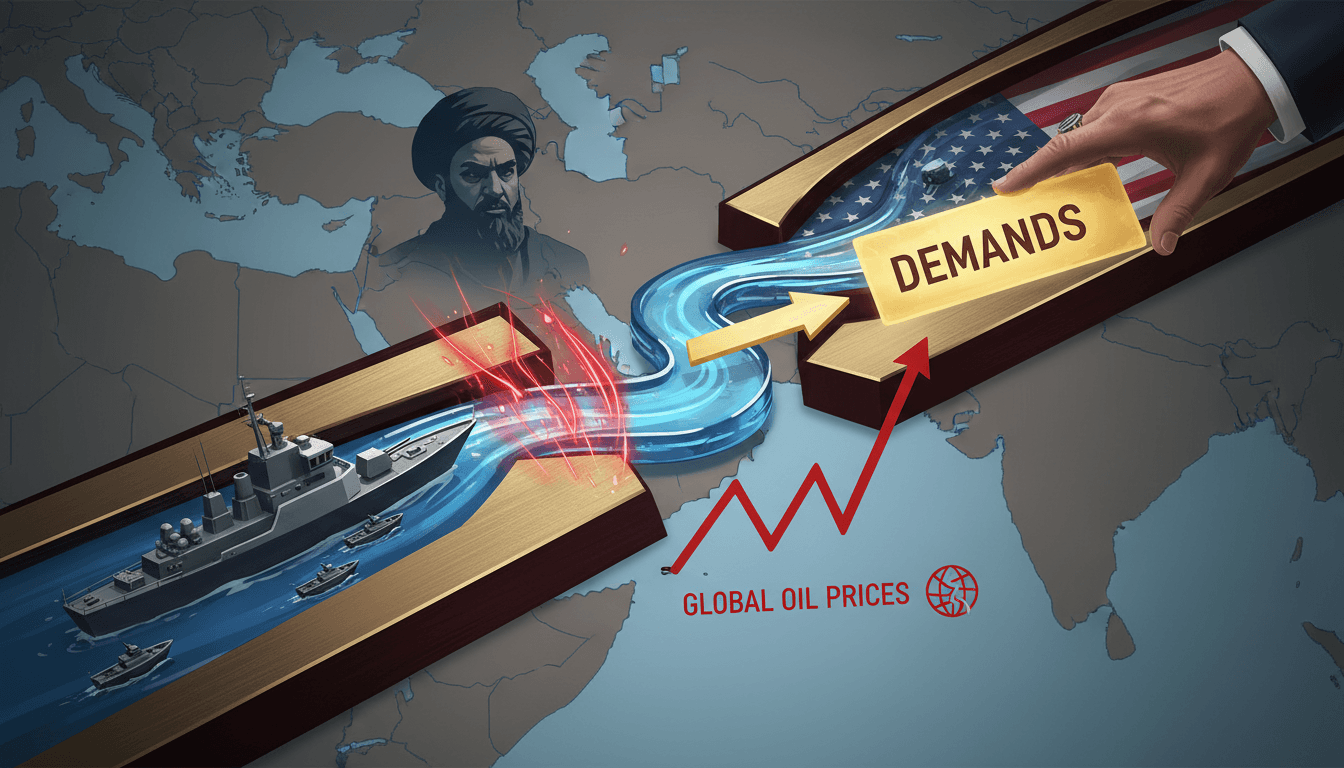
Here's what it means for you.
The ongoing tensions between the U.S. and Iran over the Strait of Hormuz could have significant implications for global oil markets. With 20% of the world's oil and gas supplies passing through this vital shipping route, any disruption could lead to rising prices and increased volatility. Stakeholders in energy markets should closely monitor developments, as prolonged instability in the region may affect supply chains and pricing strategies. As negotiations stall, the geopolitical landscape remains fraught with uncertainty. Policymakers will need to navigate these complexities carefully to mitigate risks associated with potential escalations in military actions or economic sanctions.
What happened
President Trump has intensified demands for compensation from Iran, complicating the already stalled negotiations to reopen the Strait of Hormuz. This escalation comes as Iran continues to leverage its military position in the region amid ongoing tensions with the U.S. and Israel. Trump's insistence on reparations has further strained the potential for a diplomatic resolution.
The situation has led to rising oil prices, reflecting the market's sensitivity to geopolitical developments. Both sides are entrenched in their positions, making it increasingly difficult to find common ground for negotiations.
The Context
The Strait of Hormuz is a critical chokepoint for global oil transportation, with approximately 20% of oil and gas supplies passing through it. Iran has been using its control over this strategic waterway as leverage in its dealings with the U.S. and Israel, particularly amid military pressures. Trump's demands for compensation are a direct response to Iran's insistence on reparations as a pre-condition for any negotiations.
As the U.S. and Iran engage in this war of demands, the implications for regional stability and global oil markets are profound. The ongoing conflict has already led to increased geopolitical tensions, and the likelihood of a swift resolution appears low.
Takeaway
The current standoff suggests that a resolution between the U.S. and Iran may remain elusive in the near future. Stakeholders should monitor developments in negotiations regarding the Strait of Hormuz closely, as any escalation could have significant impacts on global oil prices. The situation is fluid, and the potential for prolonged instability in the region remains high.
As both sides dig in on their demands, the geopolitical landscape will continue to evolve, affecting not only oil markets but also broader international relations.
Capitol Hill news, legislation, and policy insight.
"The Hill specializes in U.S. politics and policy, with a focus on Capitol Hill developments and a reputation for insider reporting."
— A47 Editor
The Memo: Mideast troubles press in on Trump
President Trump is currently facing significant challenges in the Middle East, particularly regarding Iran's increasing assertiveness over the Strait of Hormuz, a vital maritime route for global oil shipments. Iran's leadership is demanding concessio...
Arabic-language coverage of political affairs and current events.
"Okaz political coverage typically follows mainstream Saudi framing on national and regional affairs."
— A47 Editor
3 إستراتيجيات للتعامل معها .. ترمب: إيران تعاني من فوضى اقتصادية
U.S. President Donald Trump stated that Iran is experiencing economic chaos and outlined three strategies for dealing with the country: monitoring its weaknesses, striking it hard, and applying economic pressure. He emphasized U.S. control over the S...
Business and economy coverage focused on Dubai, the UAE, Saudi Arabia, and the wider Middle East.
"Arabian Business is a well-known regional business outlet with strong focus on Gulf markets, leadership, and investment stories."
— A47 Editor
Trump demands compensation from Iran as Strait of Hormuz deal hopes fade and oil jumps
U.S. President Donald Trump has demanded compensation from Iran as negotiations for reopening the strategically vital Strait of Hormuz face significant challenges, with Brent crude oil prices continuing to rise. This demand comes amid Iran's insisten...
Insights and news on social issues, policy, and political movements across the United States.
"The Wall Street Journal is known for its deep political coverage, especially at the intersection of policy, regulation, and social dynamics."
— A47 Editor
The U.S. and Israeli militaries have pounded Iran hard for more than five months, but Iran is using the Strait of Hormuz as its final point of leverage. Read more in today’s WSJ Politics Newsletter:
The U.S. and Israeli militaries have intensified their military actions against Iran for over five months, while Iran is leveraging the strategic Strait of Hormuz as a critical point of negotiation. This situation has escalated tensions in the region...
Regional coverage of Middle East politics, diplomacy, and security issues.
"Arab News Middle East coverage often reflects Saudi and Gulf strategic interests in regional affairs."
— A47 Editor
Trump says will demand conflict compensation from Iran
U.S. President Donald Trump announced plans to demand compensation from Iran for the deaths and injuries sustained by U.S. personnel during the ongoing conflict, marking a significant escalation in tensions. This demand comes as negotiations to end t...
Global political, business, and cultural coverage from WSJ international desks.
"The Wall Street Journal offers extensive international reporting with a reputation for financial insight and a center-right editorial stance."
— A47 Editor
Trump Thought Opening the Strait of Hormuz Was Imminent. Iran Had Other Plans.
Tensions escalated as Iran presented new demands for major concessions regarding the reopening of the Strait of Hormuz, contradicting earlier indications from the White House that a deal was imminent. This development follows President Trump's claims...