
US Pressures Israel to Cease Military Operations in Gaza, Lebanon, and Iran
What happened
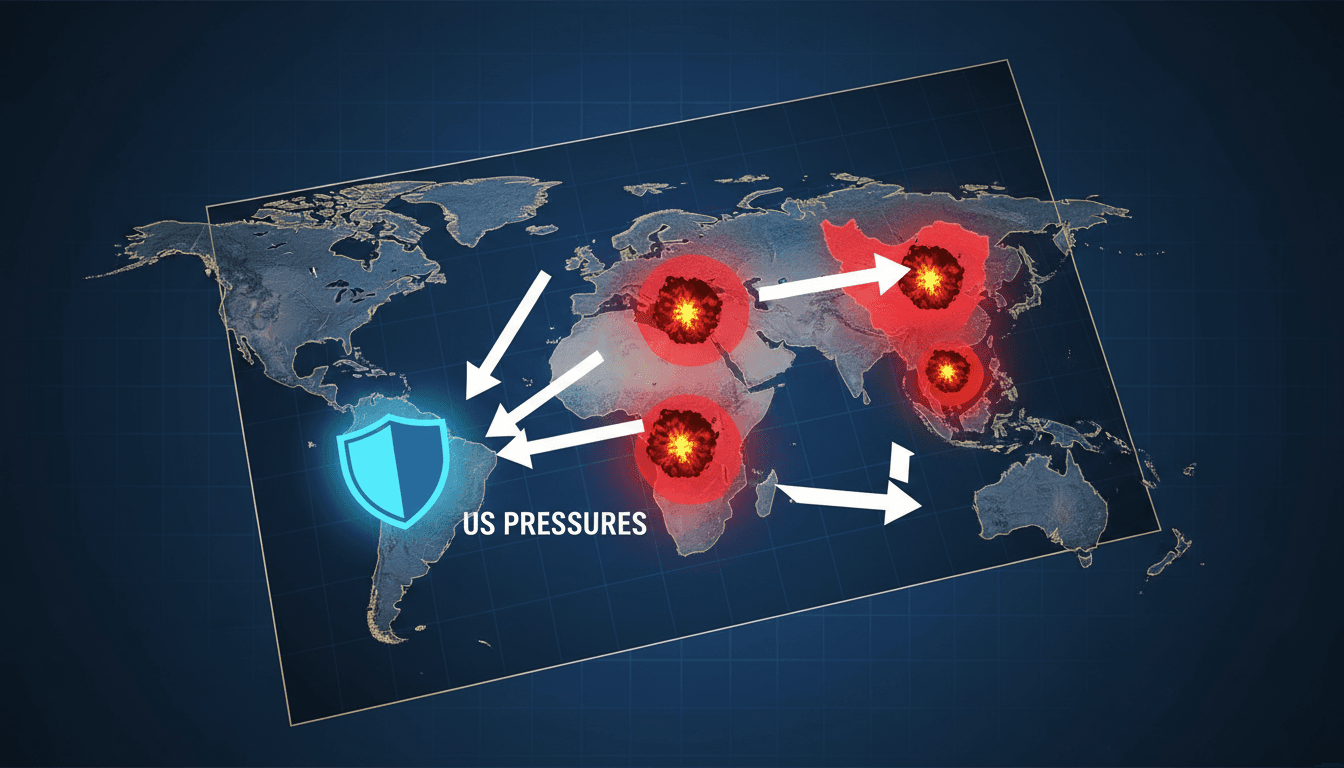
The United States has urged Israel to cease hostilities in three active conflict zones: Gaza, Lebanon, and Iran. This demand follows a recent visit by Admiral Brad Cooper of U.S. Central Command, who aimed to address rising tensions between the two allies. The U.S. concerns reflect a growing rift in their longstanding relationship, as strategic disagreements become more pronounced.
The request for de-escalation comes amid ongoing military actions that have heightened regional instability. The U.S. is particularly focused on the implications of these conflicts for broader geopolitical dynamics. The outcome of Israel's response to this pressure will be crucial in determining the future of military and diplomatic strategies in the area.
The Context
The relationship between the U.S. and Israel is facing significant strain as the U.S. pushes for an end to military operations in Gaza, Lebanon, and Iran. Admiral Cooper's visit underscores the urgency of addressing these tensions, which have been escalating in recent months. The disagreements between Washington and Tel Aviv highlight deeper strategic differences that could reshape their alliance.
As the U.S. expresses its desire to end fighting in these specific areas, the implications for regional stability are profound. The ongoing conflicts involve various stakeholders, including militant groups in Lebanon and Gaza, as well as Iran's influence in the region. Understanding these dynamics is essential for grasping the potential shifts in U.S. foreign policy and its impact on Israel.
Takeaway
The evolving dynamics between the U.S. and Israel could significantly reshape future military and diplomatic strategies in the region. Observers should watch for potential responses from Israel regarding U.S. pressure, as these reactions will be pivotal in determining the trajectory of their alliance. Additionally, reactions from Iran and militant groups in Lebanon and Gaza will be critical in assessing the broader implications of this situation.
As the U.S. continues to advocate for de-escalation, the response from Israel will be crucial in shaping the future of their partnership and the stability of the region. The outcome of this diplomatic engagement may set the tone for future interactions between these key players.
Jordanian news and regional updates.
"Roya News is a Jordanian outlet focused on breaking news and local affairs."
— A47 Editor
القناة 13 العبرية: اتساع الفجوة بين واشنطن وتل أبيب مع ضغوط أمريكية لإنهاء القتال في الساحات الثلاث
The Israeli Channel 13 reported an increasing gap between Washington and Tel Aviv, highlighting U.S. pressures to end the ongoing fighting in three conflict zones. This message was conveyed by an admiral from the Central Command, indicating a signifi...
Arabic-language coverage of international news and geopolitics.
"RT Arabic is a Russian state-funded outlet often criticized for promoting Kremlin-aligned narratives."
— A47 Editor
الهوة بين واشنطن وتل أبيب تتسع.. ضغوط أمريكية لإنهاء القتال في الساحات الثلاث
Tensions are escalating between Israel and the United States, as the U.S. has conveyed its desire for Israel to end the ongoing conflicts on three fronts: Iran, Lebanon, and Gaza. This growing rift highlights significant disagreements in their strate...
Pan-Arab political news and analysis.
"Al-Quds Al-Arabi is a London-based Arabic newspaper known for political coverage."
— A47 Editor
القناة 13: خلافات تل أبيب وواشنطن تتعمق بشأن إنهاء القتال في 3 جبهات
Israeli Channel 13 reported on August 9, 2026, that tensions between Tel Aviv and Washington are escalating, driven by increasing U.S. pressure on Israel to end hostilities across three fronts, including Gaza, Lebanon, and Iran.