
Iran Asserts Control Over Strait of Hormuz Amid U.S. Tensions
What happened
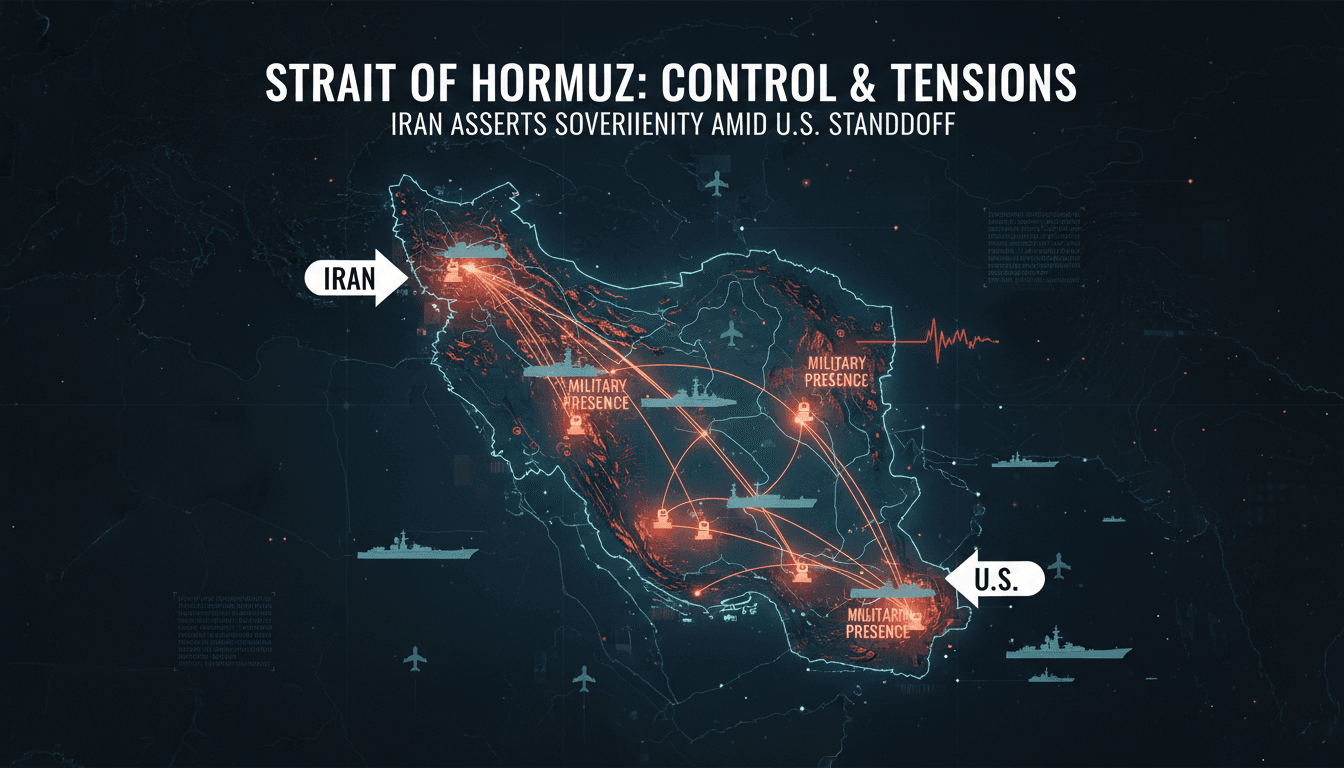
Iran has firmly responded to U.S. President Donald Trump's claims regarding the sovereignty of the Strait of Hormuz, asserting that the vital waterway will remain under Iranian control. Iranian officials, including a senior foreign ministry aide and a Revolutionary Guard commander, emphasized that threats from the U.S. will not alter this status. This response comes in light of Trump's comments, which suggested a potential U.S. claim over the strait, a notion that Iran strongly opposes.
The Iranian military and diplomatic responses highlight the ongoing tensions between the U.S. and Iran, particularly concerning military presence and oil transportation in the region. Iranian officials reiterated that the Strait of Hormuz is Iranian territory, dismissing U.S. claims as unrealistic. The situation remains tense, with both sides poised for potential escalation.
The Context
The Strait of Hormuz is a crucial maritime route for global oil shipments, making it a strategic chokepoint in international trade. Approximately 20% of the world's oil passes through this narrow passage, underscoring its importance to global energy security. The ongoing rhetoric and military posturing suggest that the Strait of Hormuz will remain a focal point of U.S.-Iran tensions, with potential ramifications for global oil markets and regional stability.
Iran's assertion of control is not just a matter of national pride; it reflects broader geopolitical struggles in the region. The Iranian Revolutionary Guard has declared vigilance regarding any U.S. actions, indicating a readiness to respond to perceived threats. This dynamic complicates the already fraught relationship between the two nations, particularly as military movements in the Persian Gulf are closely monitored.
Takeaway
The situation in the Strait of Hormuz remains precarious, with potential implications for international shipping and regional security. Stakeholders should watch for further escalations in U.S.-Iran relations, as military movements in the Persian Gulf could signal a shift in the balance of power. The ongoing tensions are likely to impact oil prices and shipping routes, making it essential for businesses and policymakers to stay informed.
As the geopolitical landscape evolves, the focus will remain on how both nations navigate this critical juncture. The international community will be watching closely, as any miscalculation could lead to significant disruptions in global oil supply and heightened military confrontations.
Arabic-language coverage of international news and geopolitics.
"RT Arabic is a Russian state-funded outlet often criticized for promoting Kremlin-aligned narratives."
— A47 Editor
طهران: "أمريكا تكبدت خسائر استراتيجية.. مضيق هرمز إيراني وسيبقى إيرانيا"
Kazem Gharib Abadi, Iran's Deputy Foreign Minister, asserted that U.S. President's statements regarding the Strait of Hormuz are unrealistic, emphasizing that the strait cannot be controlled through media rhetoric or military displays.
Pan-Arab news coverage spanning politics, business, sports, and regional affairs.
"Asharq Al-Awsat reflects a broad Arab editorial perspective with strong attention to regional geopolitics."
— A47 Editor
طهران رداً على تهديدات ترمب: مضيق هرمز «سيبقى إيرانياً»
Tehran responded on Saturday to Donald Trump's statements regarding the Strait of Hormuz, asserting that the vital waterway will remain Iranian despite Trump's claims of declaring it part of U.S. territory.
Arabic-language coverage of international news and geopolitics.
"RT Arabic is a Russian state-funded outlet often criticized for promoting Kremlin-aligned narratives."
— A47 Editor
"لن تستحوذ عليه بتغريدة أو حاملة طائرات".. الخارجية الإيرانية ترد على تصريحات ترامب بشأن مضيق هرمز
Iranian Deputy Foreign Minister Kazem Gharib Abadi stated that Tehran will not succumb to American threats, emphasizing that the Strait of Hormuz is Iranian and will remain so, with decisions regarding its opening or closing under Iran's control.
Arabic-language coverage of international news and geopolitics.
"RT Arabic is a Russian state-funded outlet often criticized for promoting Kremlin-aligned narratives."
— A47 Editor
الحرس الثوري يرد على ترامب: مضيق هرمز مغلق وأي تحرك لا يغيب عن أعيننا
Admiral Ali Azmaei, commander of the Iranian Revolutionary Guard's naval forces, stated that the Strait of Hormuz is closed, emphasizing that the reality should be observed on the ground rather than through statements from U.S. officials.