
US shifts Iran war strategy to prioritize lowering oil prices over nuclear concerns
Here's what it means for you.
The U.S. administration's pivot in its Iran war strategy signals a significant shift in priorities, emphasizing the need to lower oil prices for American consumers. This change reflects the growing economic pressures faced by households, which could influence future foreign policy decisions. As the U.S. navigates these challenges, the focus on energy affordability may reshape diplomatic engagements with Iran.
What happened
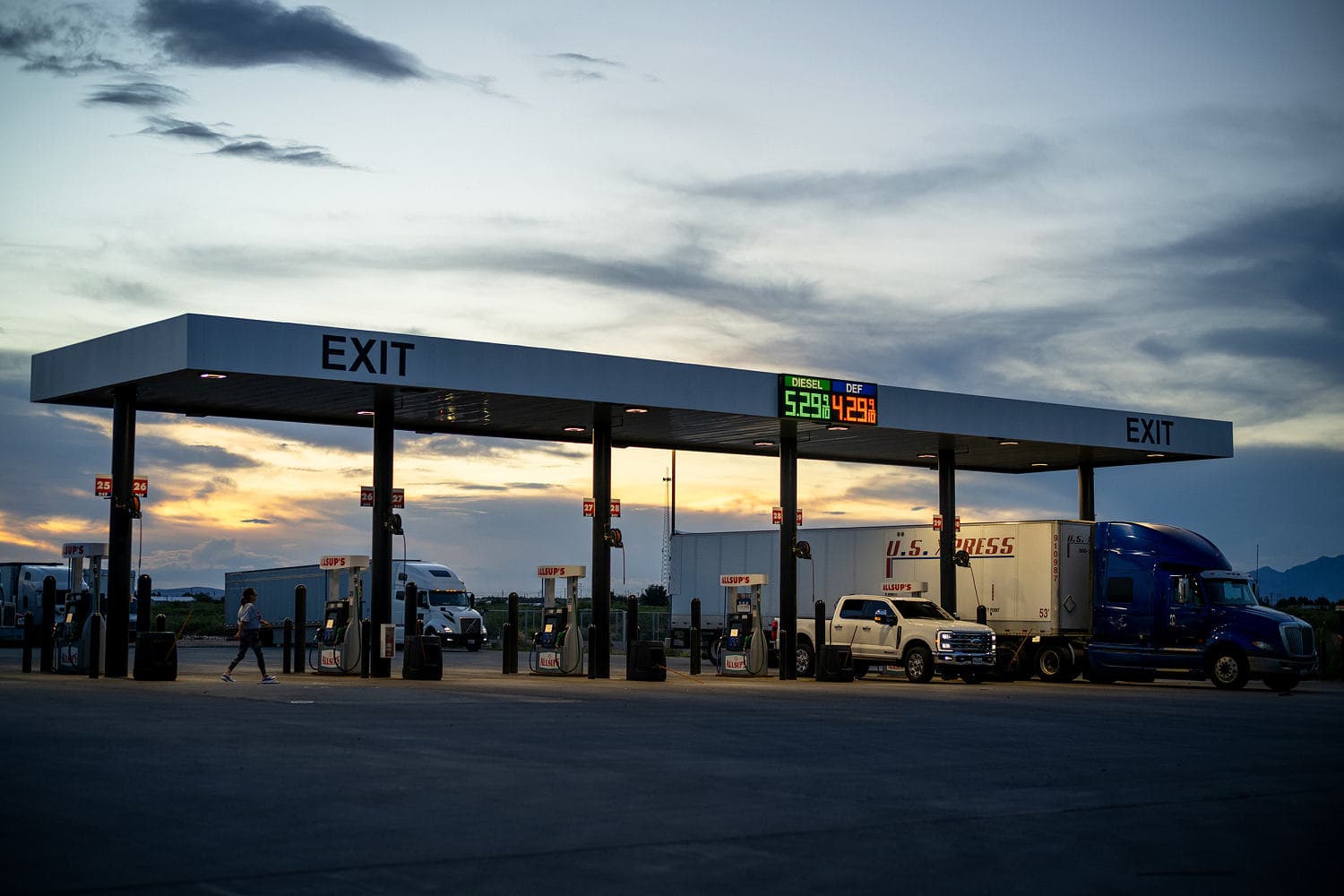
The U.S. administration has redefined its main goal in the Iran war, now prioritizing the reduction of oil prices over the prevention of Iran's nuclear development. Vice President JD Vance has underscored that keeping gas prices low is the new top priority, a response to the economic pressures affecting American consumers. This strategic shift comes amid rising tensions in the Strait of Hormuz, a critical area impacting global oil supply.
Treasury Secretary Scott Bessent has indicated that new economic measures against Iran are expected to be implemented soon. This change in focus highlights the leverage Iran has gained in the current geopolitical climate, as the U.S. seeks to balance domestic economic stability with international security concerns.
The Context
The decision to prioritize oil prices over nuclear concerns is a direct response to the rising gas prices that have been affecting American households. The Strait of Hormuz has emerged as a critical point of leverage for Iran, making it a focal point in discussions about global oil supply and security. This shift in strategy reflects a broader trend where domestic economic factors increasingly influence foreign policy decisions.
As the U.S. grapples with these challenges, the implications for its relationship with Iran could be profound. The administration's approach may lead to more pragmatic engagements, as it seeks to stabilize the economy while addressing the ongoing threat posed by Iran's nuclear ambitions.
Takeaway
Looking ahead, the U.S. may continue to adjust its foreign policy strategies based on domestic economic pressures. Potential new economic sanctions against Iran are on the horizon, which could further impact the geopolitical landscape. Developments in the Strait of Hormuz will also be critical to watch, as they may significantly influence oil prices and U.S. energy policy.
As the situation evolves, the emphasis on domestic economic stability could lead to a reconfiguration of diplomatic engagements with Iran, shaping the future of U.S.-Iran relations.
Global business headlines with AI angles.
"General business outlet that frequently covers AI."
— A47 Editor
Vice President JD Vance Says The Administration Has a New Primary Goal In The Iran War
Vice President JD Vance announced that the administration's primary goal in the Iran conflict is to ensure affordable oil and gas for Americans, alongside preventing Iran from acquiring nuclear weapons. This statement reflects a strategic shift in U....
National headlines across the United States including breaking stories and societal issues.
"NBC News is a mainstream media outlet known for comprehensive national and international news coverage with a centrist to slightly left-leaning editorial tone."
— A47 Editor
In an apparent shift, Vance says lowering oil prices is ‘goal No. 1’ of Iran war
Vice President JD Vance has stated that lowering oil prices is now the primary objective of the U.S. strategy regarding the ongoing conflict with Iran. This marks a notable shift in focus from military action to economic measures aimed at alleviating...
Comprehensive coverage of global events, politics, and international issues.
"NBC News is a mainstream outlet known for comprehensive national and international coverage with a centrist to slightly left-leaning editorial tone."
— A47 Editor
In an apparent shift, Vance says lowering oil prices is ‘goal No. 1’ of Iran war
Vice President JD Vance has stated that lowering oil prices is now the primary objective of the U.S. strategy regarding the ongoing conflict with Iran. This marks a notable shift in focus from military action to economic measures aimed at alleviating...
Regional coverage and analysis focused on politics, diplomacy, and business across the Middle East.
"Al-Monitor is known for analytical reporting on Middle East politics and policy developments."
— A47 Editor
US says lower oil prices, not Iran's nuclear program, are now top priority in war
The United States has shifted its primary focus in the Iran conflict from curbing Iran's nuclear ambitions to reducing gasoline prices for American consumers, as stated by Vice President JD Vance. Treasury Secretary Scott Bessent indicated that new e...