
Trump Intensifies Economic Pressure on Iran Amid Rising Tensions
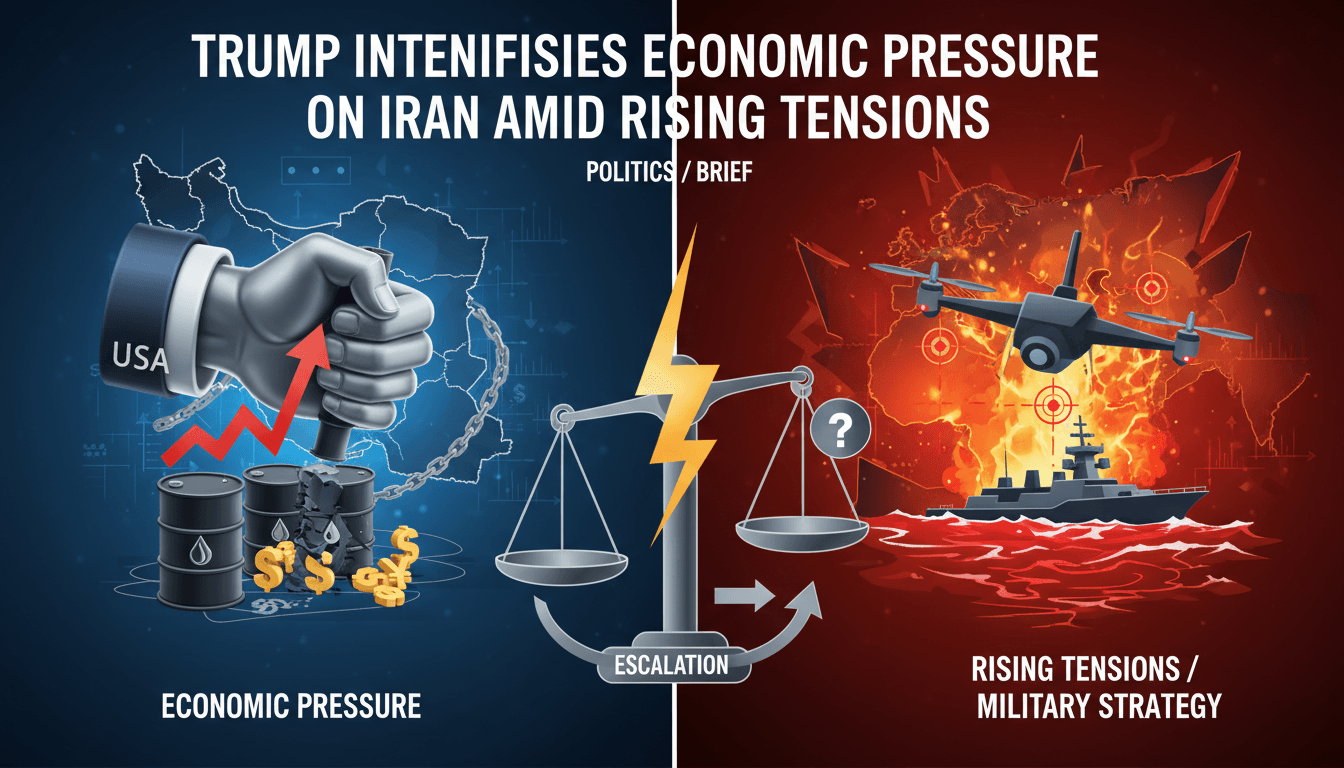
What happened
President Trump is implementing economic pressure tactics against Iran as tensions escalate. This approach is a response to Iran's strategic conditions, which are complicating U.S. military and economic planning. The administration is currently focused on economic strategies while considering various options, including potential military actions, should the situation deteriorate further.
The Strait of Hormuz remains a critical point of contention, heightening the stakes for both nations. As of now, there has been no military engagement, indicating a preference for economic measures over direct conflict. This strategy reflects a calculated maneuvering by the U.S. to address the complexities of the Iranian landscape.
The Context
Iran's strategic conditions are significantly impacting U.S. military and economic planning, creating challenges for the Trump administration. The ongoing tensions in the region, particularly in the Strait of Hormuz, have drawn attention from global stakeholders, including allies and adversaries alike. The U.S. must navigate these complexities while balancing its economic and military options.
The evolving dynamics suggest that the U.S. may need to reassess its approach to Iran in the long term. As the administration weighs the implications of Iran's demands, the potential for military engagement remains a consideration. This situation underscores the importance of strategic planning in U.S. foreign policy.
Takeaway
As the situation develops, it will be crucial to monitor Iran's response to U.S. economic measures. The administration's focus on economic strategies may continue to dominate its policy towards Iran, but shifts in military strategy could emerge depending on Iran's actions. Stakeholders should remain vigilant as these developments unfold, as they could have far-reaching implications for regional stability and global markets.
In the coming weeks, watch for any changes in U.S. military posture or further economic sanctions against Iran. The balance between economic pressure and military readiness will be key in shaping future interactions between the two nations.
Pan-Arab news coverage spanning politics, business, sports, and regional affairs.
"Asharq Al-Awsat reflects a broad Arab editorial perspective with strong attention to regional geopolitics."
— A47 Editor
ترمب يراهن «بهدوء» على الضغط الاقتصادي ضد إيران
Former President Donald Trump is quietly betting on economic pressure against Iran, indicating a strategic approach to influence the country's policies. This move aligns with ongoing tensions between the U.S. and Iran, particularly regarding nuclear ...
Arabic-language coverage of international news and geopolitics.
"RT Arabic is a Russian state-funded outlet often criticized for promoting Kremlin-aligned narratives."
— A47 Editor
فخ هرمز.. شروط إيران تربك حسابات ترامب
Iran's conditions regarding the Strait of Hormuz have created uncertainty in President Trump's strategic calculations. The situation highlights the complexities of U.S.-Iran relations and the potential for escalating tensions in a critical maritime r...
Arabic-language coverage of international news and geopolitics.
"RT Arabic is a Russian state-funded outlet often criticized for promoting Kremlin-aligned narratives."
— A47 Editor
قصف أو حصار.. استراتيجيات ترامب ضد إيران
The article discusses the strategies employed by former President Donald Trump against Iran, focusing on military actions and economic sanctions as key components of his approach. It highlights the dual tactics of bombing and imposing blockades as me...