
Trump Announces Economic D-Day with Sanctions Threat Against Iran
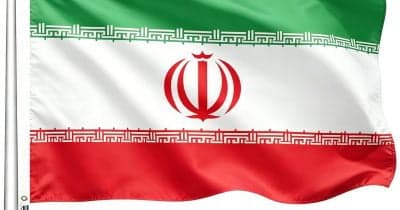
Here's what it means for you.
If you’re involved in international trade or finance, be prepared for potential compliance risks and market volatility stemming from U.S. sanctions.
Why it matters
The escalation of U.S. sanctions against Iran could disrupt global trade networks and impact oil markets, affecting prices and availability.
What happened (in 30 seconds)
- Trump announced an 'economic D-Day' on August 19, 2026, targeting Iran with severe economic isolation measures.
- Secondary sanctions threatened against nations and entities supporting Iran, particularly in oil smuggling and financial transactions.
- Iran dismissed the threats as ineffective, while prediction markets indicated a decline in the likelihood of a diplomatic deal for reconstruction funding.
The context you actually need
- Ongoing U.S.-Israel military campaign against Iran began in February 2026, focusing on Iran's nuclear program and oil exports.
- Previous sanctions under the Trump administration, such as Operation Economic Fury, set the stage for this heightened economic confrontation.
- Diplomatic negotiations for a 2026 deal involving reconstruction funding and uranium limits have stalled, prompting the U.S. to escalate its stance.
What's really happening
On August 19, 2026, President Donald Trump declared an 'economic D-Day' against Iran, framing it as a pivotal moment in U.S. foreign policy. This announcement is not merely a rhetorical flourish; it represents a significant shift in the U.S. approach to Iran, emphasizing economic warfare as a primary tool for achieving geopolitical objectives. The term 'economic D-Day' suggests a decisive moment, indicating that the U.S. is prepared to implement unprecedented measures to isolate Iran economically.
The core of Trump's announcement revolves around the threat of secondary sanctions, which would target third-party nations and entities that continue to engage with Iran. This includes financial institutions, businesses, and even airports that facilitate trade or financial transactions with Iran. The U.S. aims to create a chilling effect on global commerce, compelling countries to choose between maintaining their ties with Iran or facing severe economic repercussions from the U.S. market.
The implications of this strategy are profound. By threatening secondary sanctions, the U.S. is attempting to rally its allies and partners to isolate Iran completely. This could lead to a significant realignment in global trade, particularly in oil markets, where Iran has historically been a key player. The immediate market reaction has been a drop in prediction market odds for a potential 2026 U.S.-Iran deal, reflecting a growing skepticism about diplomatic resolutions.
Iranian officials have dismissed these threats, labeling them as ineffective and a continuation of failed policies. They argue that Iran has developed expertise in circumventing sanctions, which could mitigate the intended impact of U.S. measures. However, the U.S. strategy hinges on the assumption that the economic pressure will eventually force Iran back to the negotiating table, particularly regarding its nuclear program and regional activities.
The broader context includes the ongoing military campaign by the U.S. and Israel against Iran, which has intensified since February 2026. This military action, combined with economic sanctions, creates a multi-faceted approach aimed at weakening Iran's influence in the region. The U.S. is betting that a combination of military and economic pressure will yield results, but the effectiveness of this strategy remains to be seen.
Who feels it first (and how)
- International businesses involved in trade with Iran may face compliance risks and operational disruptions.
- Financial institutions that have dealings with Iranian entities could encounter increased scrutiny and potential penalties.
- Oil markets may experience volatility as sanctions impact supply chains and pricing dynamics.
- Countries like China and UAE could be affected by secondary sanctions, influencing their trade relationships and economic stability.
What to watch next
- Market reactions: Monitor oil prices and prediction market odds for U.S.-Iran negotiations, as these will indicate the immediate economic impact of the sanctions.
- Allied responses: Watch for any endorsements or actions from U.S. allies regarding the sanctions, which could signal broader international compliance or resistance.
- Iran's countermeasures: Keep an eye on Iran's responses to the sanctions, including potential strategies to circumvent them, which could affect regional stability.
Trump has declared an 'economic D-Day' and threatened secondary sanctions against Iran.
Increased volatility in oil markets and potential disruptions in international trade networks.
The long-term effectiveness of U.S. sanctions in achieving diplomatic goals with Iran.
Frequently Asked Questions
- Why it matters?
- The escalation of U.S. sanctions against Iran could disrupt global trade networks and impact oil markets, affecting prices and availability.
- What happened (in 30 seconds)?
- Trump announced an 'economic D-Day' on August 19, 2026, targeting Iran with severe economic isolation measures. Secondary sanctions threatened against nations and entities supporting Iran, particularly in oil smuggling and financial transactions. Iran dismissed the threats as ineffective, while prediction markets indicated a decline in the likelihood of a diplomatic deal for reconstruction funding.
- What's really happening?
- On August 19, 2026, President Donald Trump declared an 'economic D-Day' against Iran, framing it as a pivotal moment in U.S. foreign policy. This announcement is not merely a rhetorical flourish; it represents a significant shift in the U.S. approach to Iran, emphasizing economic warfare as a primary tool for achieving geopolitical objectives. The term 'economic D-Day' suggests a decisive moment, indicating that the U.S. is prepared to implement unprecedented measures to isolate Iran economicall
- Who feels it first (and how)?
- International businesses involved in trade with Iran may face compliance risks and operational disruptions. Financial institutions that have dealings with Iranian entities could encounter increased scrutiny and potential penalties. Oil markets may experience volatility as sanctions impact supply chains and pricing dynamics. Countries like China and UAE could be affected by secondary sanctions, influencing their trade relationships and economic stability.
- What to watch next?
- Market reactions: Monitor oil prices and prediction market odds for U.S.-Iran negotiations, as these will indicate the immediate economic impact of the sanctions. Allied responses: Watch for any endorsements or actions from U.S. allies regarding the sanctions, which could signal broader international compliance or resistance. Iran's countermeasures: Keep an eye on Iran's responses to the sanctions, including potential strategies to circumvent them, which could affect regional stability.
Arabic-language coverage of international news and geopolitics.
"RT Arabic is a Russian state-funded outlet often criticized for promoting Kremlin-aligned narratives."
— A47 Editor
ترامب يتوعد إيران.. حرب اقتصادية خانقة
Former President Donald Trump has issued a stern warning to Iran, indicating the potential for a severe economic war against the nation. This statement reflects ongoing tensions between the U.S. and Iran, highlighting Trump's aggressive stance on for...
English-language reporting on Saudi politics, policy, and society.
"Saudi Gazette reflects mainstream Saudi institutional perspectives."
— A47 Editor
Iran dismisses Trump's 'economic D-Day' threat
Iran has dismissed U.S. President Donald Trump's announcement of a new sanctions campaign, termed 'Economic D-Day,' as a distraction from domestic issues in the U.S., asserting that it will lead to further defeat for Washington. Iranian officials cri...
English-language reporting on Saudi politics, policy, and society.
"Saudi Gazette reflects mainstream Saudi institutional perspectives."
— A47 Editor
Trump declares economic warfare, threatens ‘any country’ helping Iran
WASHINGTON — US President Donald Trump said on Wednesday he was launching a major new campaign to target Iran’s economy and threatened “tremendous” punishment on any country that helps or does business with the Islamic republic.In a post on Truth Soc...
Comprehensive coverage of Middle Eastern and global issues.
"Al Jazeera is a prominent voice from the Global South, especially the Middle East, with an emphasis on underreported stories."
— A47 Editor
Trump vows ‘economic warfare’ on countries helping Iran
U.S. President Donald Trump has threatened 'economic D-Day' against any countries that assist or conduct business with Iran, escalating tensions amid ongoing geopolitical conflicts. This warning follows his announcement of new economic sanctions, whi...
Global news coverage with extensive reporting on Middle Eastern conflicts and geopolitics.
"Al Jazeera is a Qatar-based broadcaster known for wide regional coverage and alternative perspectives."
— A47 Editor
Trump vows ‘economic warfare’ on countries helping Iran
U.S. President Donald Trump has threatened 'economic D-Day' against any countries that assist or engage in trade with Iran, emphasizing a new round of sanctions aimed at crippling Iran's economy. This warning comes amid escalating military tensions a...
Pan-Arab political news and analysis.
"Al-Quds Al-Arabi is a London-based Arabic newspaper known for political coverage."
— A47 Editor
ترامب يهدد بتحميل “أي دولة” تساعد إيران تبعات اقتصادية “وخيمة”
U.S. President Donald Trump threatened on Wednesday to impose severe economic consequences on any country that assists Iran in its military efforts, marking a significant escalation in Washington's pressure on Tehran amid ongoing tensions.
Pan-Arab news coverage spanning politics, business, sports, and regional affairs.
"Asharq Al-Awsat reflects a broad Arab editorial perspective with strong attention to regional geopolitics."
— A47 Editor
ترمب يهدد بتحميل «أي دولة» تساعد إيران تبعات اقتصادية «وخيمة»
U.S. President Donald Trump has threatened to impose severe economic consequences on any country that assists Iran in its military efforts, signaling an escalation in Washington's pressure on Tehran. This statement reflects the ongoing tensions betwe...
Research, news, and analysis on blockchain startups, DeFi, and regulations.
"Crypto Briefing provides research, news, and analysis on blockchain startups, DeFi, and crypto regulations with investor-focused coverage."
— A47 Editor
Trump announces ‘economic D-Day’ against Iran, warns of secondary sanctions
Former President Donald Trump has declared an 'economic D-Day' against Iran, announcing intensified U.S. economic measures that could lead to secondary sanctions. This announcement comes amid rising tensions in the Strait of Hormuz, where geopolitica...