
Zhu Rongji's Funeral Sparks Reflection on China's Economic Challenges
Here's what it means for you.
As economic pressures mount, a longing for past leadership may reshape professional landscapes and investment strategies.
The Vibe
Zhu Rongji’s state funeral has sparked a wave of nostalgia for the economic reforms of the 1990s, contrasting sharply with today’s challenges.
What it signals
This event underscores a collective yearning for stability and growth amid current economic uncertainties. The public's emotional response reflects a desire for leadership that prioritizes market liberalization and innovation, which many feel is lacking under the current regime. This nostalgia could influence how businesses and investors approach the Chinese market, potentially favoring sectors that align with reform-era values.
Why it's happening now
1. The timing of Zhu's funeral coincided with the centenary of Jiang Zemin's birth, amplifying reflections on a more prosperous era. 2. Current economic challenges, including a struggling property sector and rising youth unemployment, have left many questioning the effectiveness of present policies. 3. Heightened security measures during the funeral indicate a sensitivity to public sentiment, suggesting that the government is aware of the potential for dissent and nostalgia to influence social stability.
Who it's for (and who it leaves out)
The core beneficiaries of this nostalgia are older generations who experienced the economic boom firsthand, while younger professionals facing job insecurity may feel excluded from this idealized past.
What to watch next
1. Monitor shifts in public sentiment on social media regarding economic policies and leadership. 2. Observe any changes in investment patterns, particularly in sectors that align with reform-era principles.
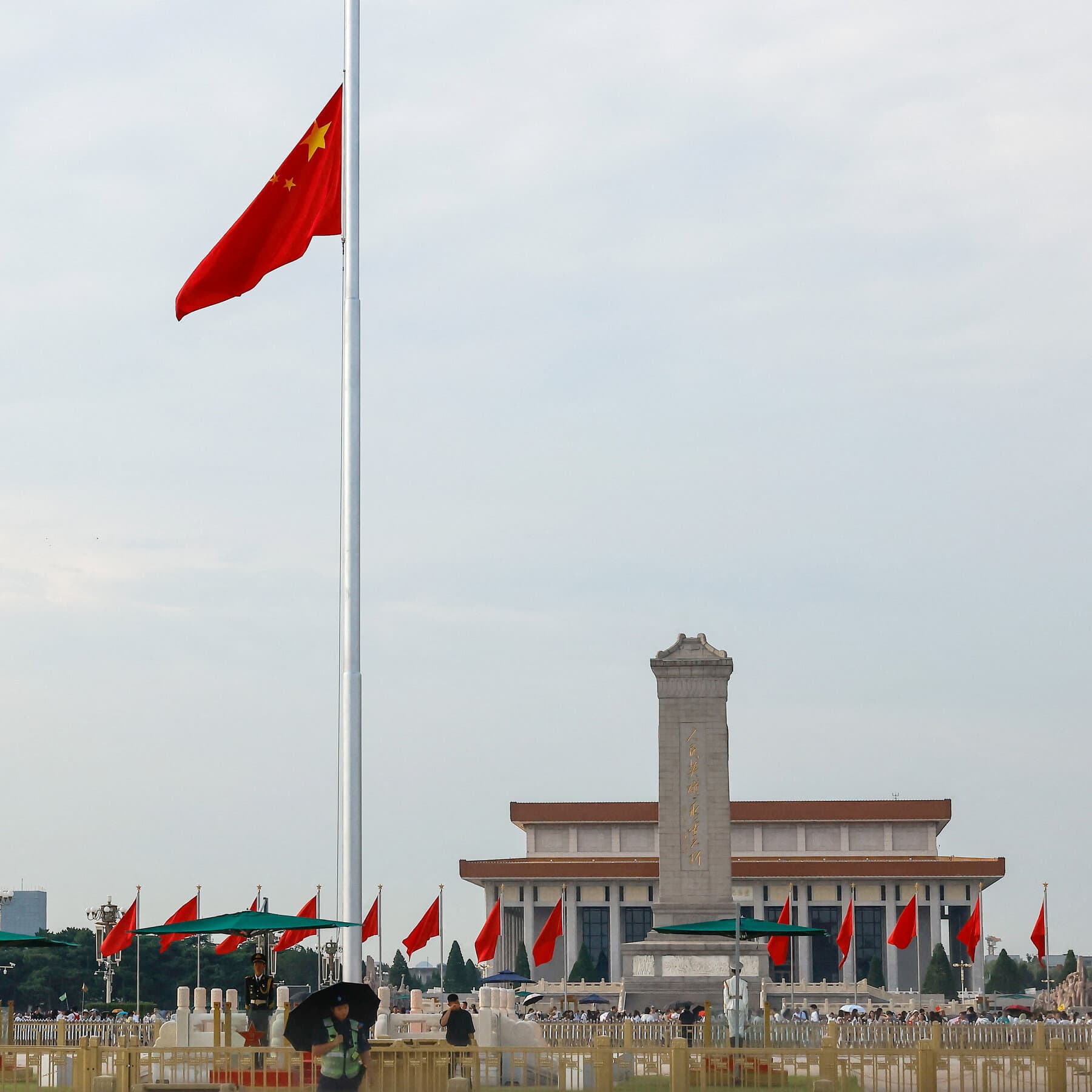
Visual Directive: A poignant image of Zhu Rongji's funeral, capturing the solemnity and national mourning, reflecting the nostalgia for the reform era.
Zhu Rongji's funeral has reignited discussions about China's economic past.
This nostalgia may influence future policy discussions and investment strategies.
The long-term impact of this sentiment on China's current leadership and economic direction remains to be seen.
Global political, business, and cultural coverage from WSJ international desks.
"The Wall Street Journal offers extensive international reporting with a reputation for financial insight and a center-right editorial stance."
— A47 Editor
China Mourns Former Premier ‘Boss Zhu’—but on the Communist Party’s Terms
Leader Xi Jinping has claimed former Premier Zhu Rongji’s legacy of economic opening while suppressing memories of a more candid and less tightly controlled era.
Markets, economy, and company analysis from NYT’s business desk.
"The New York Times is a globally recognized newspaper offering authoritative reporting with a center-left editorial stance."
— A47 Editor
At Ex-Premier Zhu Rongji’s Funeral, China’s Past Shadows Its Present
Beijing wants to portray today’s China as carrying forward Zhu Rongji’s era of growth, but for many Chinese, the optimism of that time has since faded. The Chinese flag flying at half-staff at Tiananmen Square in Beijing on Tuesday for the former pre...
Macro commentary, policy analysis, growth/inflation themes, and global outlooks.
"Contextual macro coverage that complements day-to-day market headlines."
— A47 Editor
China bids farewell to economic reformer Zhu Rongji, grapples with his legacy
Former Premier Zhu Rongji of China passed away at the age of 98, marking a significant moment in the country's political history and economic reform narrative. His tenure from 1998 to 2003 was characterized by substantial economic transformations tha...
International coverage of politics, culture, and current affairs.
"BBC News is widely regarded as a reputable international news organization, known for its impartial tone and public service mandate."
— A47 Editor
China censors public mourning as it holds former premier's funeral
China has held the funeral of former Premier Zhu Rongji, who passed away at the age of 97, while simultaneously censoring public expressions of mourning. Authorities are concerned that public nostalgia for Zhu could lead to criticism of current Presi...