
Iran Demands US Concessions for Reopening of Strait of Hormuz Amid Escalating Tensions
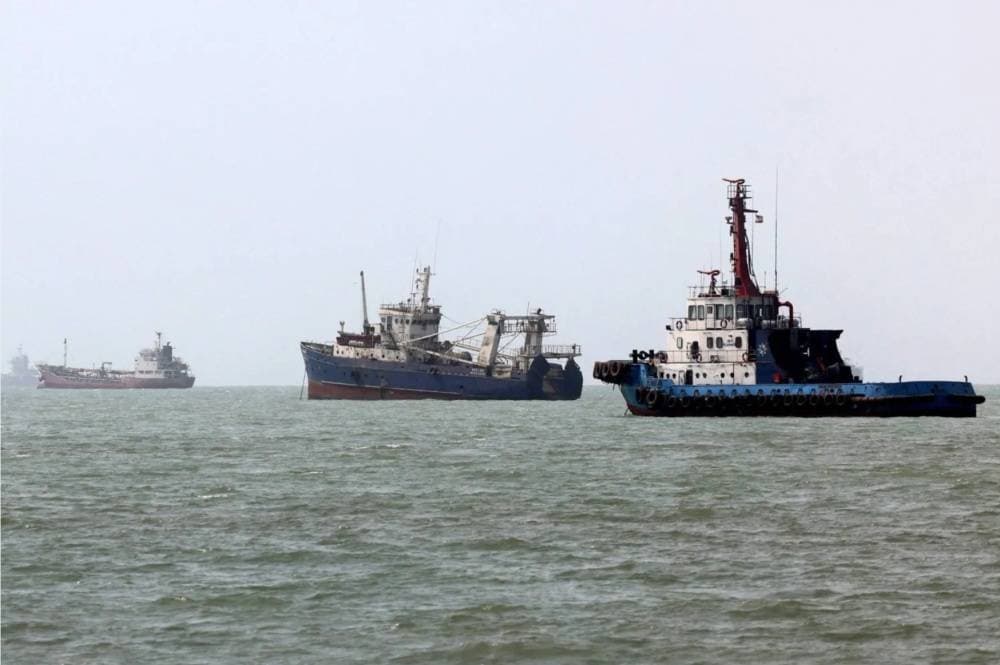
Why it matters
The Strait of Hormuz is a critical chokepoint for global oil shipments, and its closure could destabilize energy markets worldwide.
What happened (in 30 seconds)
- Iran announced the conditional closure of the Strait of Hormuz, demanding U.S. concessions to reopen it.
- President Trump escalated tensions by suggesting the U.S. could claim the strait as territory, coinciding with a projectile strike on a vessel.
- Daily vessel transits have plummeted from over 130 to single digits, severely impacting maritime traffic.
The context you actually need
- The closure follows the expiration of a 60-day interim agreement between the U.S. and Iran, highlighting ongoing geopolitical tensions.
- Iran has historically used control over the strait as leverage in negotiations, particularly in response to U.S. sanctions and regional conflicts.
- Oman and Qatar are mediating efforts to de-escalate the situation, while Turkey has offered to facilitate dialogue.
What's really happening
The recent closure of the Strait of Hormuz by Iran is a strategic maneuver in a long-standing geopolitical chess game. The strait is a vital artery for global oil transport, with approximately 20% of the world's oil passing through it daily. Iran's parliamentary speaker, Mohammad Bagher Ghalibaf, has made it clear that the strait will remain closed until the U.S. lifts its maritime blockades, ends oil sanctions, and unfreezes Iranian assets. This demand is not merely a bargaining chip; it reflects Iran's broader strategy to regain economic stability and assert its influence in the region.
The backdrop to this crisis is the expiration of a 60-day interim memorandum of understanding between the U.S. and Iran, which failed to yield a comprehensive agreement. The U.S. has maintained a hardline stance, with President Trump demanding Iranian surrender and threatening economic strangulation. His recent comments about potentially claiming the strait as U.S. territory have escalated tensions further, prompting Iranian officials to dismiss such claims as "ridiculous and absurd."
The projectile strike on a vessel in the strait, which resulted in engine damage and crew injuries, underscores the volatility of the situation. While Omani authorities provided immediate assistance, the incident has led to a drastic reduction in maritime traffic, with daily vessel transits dropping to single digits from over 130. This decline not only affects shipping companies but also raises concerns about energy supply stability, particularly for countries reliant on oil imports.
As negotiations continue through Oman and indirect channels involving Qatar and Turkey, the stakes remain high. The potential for a diplomatic resolution exists, but the path forward is fraught with challenges. Iran's control over the strait gives it significant leverage, and any resolution will likely require substantial concessions from the U.S. The implications of this standoff extend beyond the immediate region, affecting global energy prices and supply chains.
Who feels it first (and how)
- Energy companies: Increased operational costs and potential supply chain disruptions.
- Consumers: Higher fuel prices and increased costs for goods reliant on oil.
- Shipping industries: Significant delays and increased insurance costs due to heightened risks.
- Middle Eastern economies: Countries dependent on oil exports may face economic instability.
What to watch next
- U.S.-Iran negotiations: Progress or setbacks in talks could significantly impact the strait's status and global oil prices.
- Energy market volatility: Watch for fluctuations in oil prices as the situation develops, particularly in response to any military or diplomatic actions.
- Regional diplomatic efforts: The effectiveness of mediation by Oman, Qatar, and Turkey could influence the likelihood of a resolution.
The Strait of Hormuz remains closed, with daily vessel transits drastically reduced.
Continued negotiations will occur, but significant concessions from the U.S. may be necessary for a resolution.
The long-term implications for global oil prices and energy security remain uncertain.
Frequently Asked Questions
- Why it matters?
- The Strait of Hormuz is a critical chokepoint for global oil shipments, and its closure could destabilize energy markets worldwide.
- What happened (in 30 seconds)?
- Iran announced the conditional closure of the Strait of Hormuz, demanding U.S. concessions to reopen it. President Trump escalated tensions by suggesting the U.S. could claim the strait as territory, coinciding with a projectile strike on a vessel. Daily vessel transits have plummeted from over 130 to single digits, severely impacting maritime traffic.
- What's really happening?
- The recent closure of the Strait of Hormuz by Iran is a strategic maneuver in a long-standing geopolitical chess game. The strait is a vital artery for global oil transport, with approximately 20% of the world's oil passing through it daily. Iran's parliamentary speaker, Mohammad Bagher Ghalibaf, has made it clear that the strait will remain closed until the U.S. lifts its maritime blockades, ends oil sanctions, and unfreezes Iranian assets. This demand is not merely a bargaining chip; it reflec
- Who feels it first (and how)?
- Energy companies: Increased operational costs and potential supply chain disruptions. Consumers: Higher fuel prices and increased costs for goods reliant on oil. Shipping industries: Significant delays and increased insurance costs due to heightened risks. Middle Eastern economies: Countries dependent on oil exports may face economic instability.
- What to watch next?
- U.S.-Iran negotiations: Progress or setbacks in talks could significantly impact the strait's status and global oil prices. Energy market volatility: Watch for fluctuations in oil prices as the situation develops, particularly in response to any military or diplomatic actions. Regional diplomatic efforts: The effectiveness of mediation by Oman, Qatar, and Turkey could influence the likelihood of a resolution.
Arabic-language coverage of Saudi, regional, and international affairs.
"Al Bilad offers mainstream Saudi newspaper coverage across domestic and broader Arab topics."
— A47 Editor
قاليباف: المضيق سيبقى مغلقاً حتى تلتزم واشنطن بالاتفاق
Iranian Parliament Speaker Mohammad Baqer Qalibaf stated that the Strait of Hormuz will remain closed until the United States adheres to the terms of the interim agreement, contradicting U.S. President Donald Trump's statements. This declaration come...
Coverage of political affairs and regional developments from a Saudi perspective.
"Al Watan political coverage typically follows a mainstream Saudi framing of regional and national issues."
— A47 Editor
إيران تغلق هرمز وترمب يلوح بالاستحواذ
Tensions between the United States and Iran escalate as Tehran announces the closure of the strategic Strait of Hormuz until Washington meets its demands, including lifting maritime sanctions and releasing frozen assets. U.S. President Donald Trump r...
Pan-Arab news coverage spanning politics, business, sports, and regional affairs.
"Asharq Al-Awsat reflects a broad Arab editorial perspective with strong attention to regional geopolitics."
— A47 Editor
قاليباف: «هرمز» لن يُفتح قبل تلبية أميركا مطالب إيران
Iranian Parliament Speaker Mohammad Baqer Qalibaf announced that the strategic Strait of Hormuz will not be opened until the United States meets Iran's demands. This statement underscores the ongoing tensions between Iran and the U.S. regarding regio...