
Trump Launches Unprecedented Economic Warfare Against Iran
Why it matters
This escalation in economic warfare could reshape trade dynamics and financial relationships in the Middle East.
What happened (in 30 seconds)
- Trump announced a significant economic operation against Iran, warning of severe repercussions for any nation aiding Iran.
- The UAE suspended all trade and financial transactions with Iran following missile incidents, heightening regional tensions.
- The UK added seven new designations to its sanctions against Iran, aligning with US efforts to isolate the country economically.
The context you actually need
- Tensions have escalated due to missile detections over UAE territory, leading to a regional trade freeze.
- Stalled negotiations between the US and Iran have shifted focus from military measures to economic pressure as a strategy.
- The US aims to leverage secondary sanctions to deter other nations from engaging with Iran, complicating international relations.
What's really happening
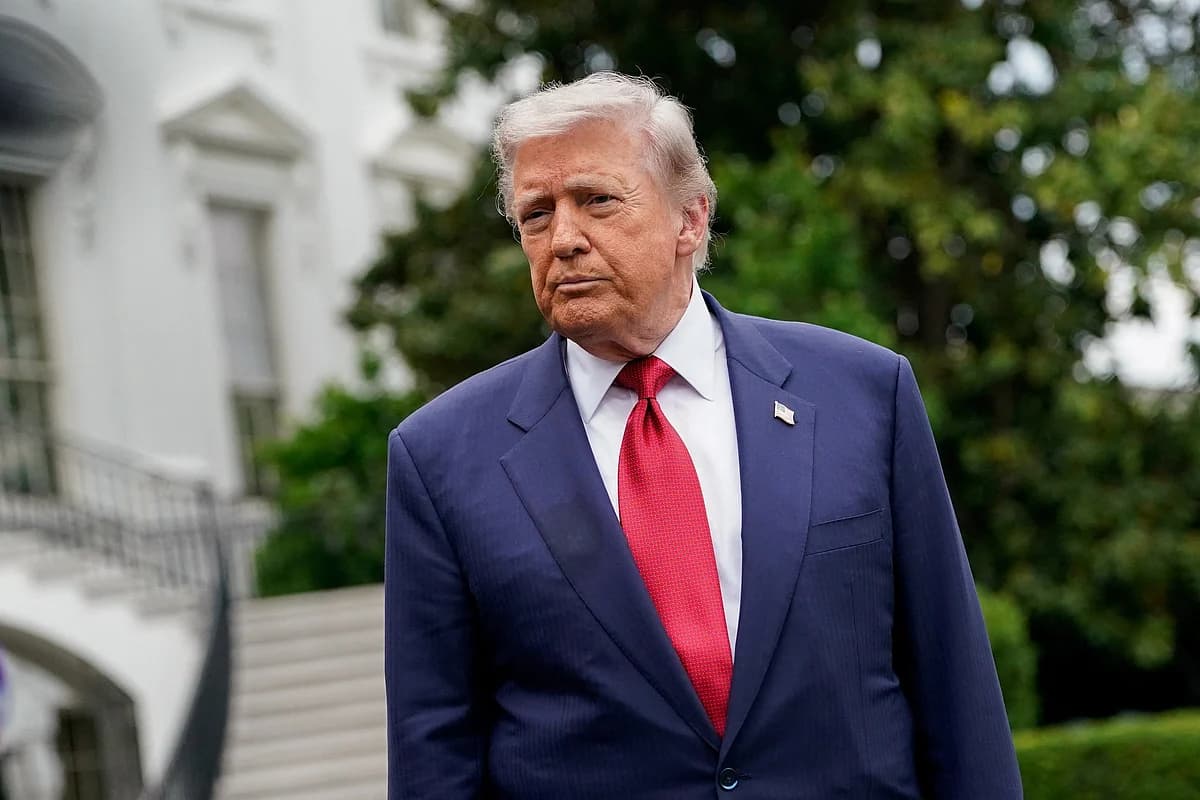
On August 19, 2026, President Donald Trump declared what he termed the "most crushing economic operation ever taken against any country," targeting Iran amid escalating tensions in the region. This announcement, made via Truth Social, is a strategic pivot from military posturing to economic warfare, reflecting a broader shift in US policy towards Iran. The operation is designed to isolate Iran economically by threatening secondary sanctions on any nation or entity that provides financial, business, or governmental support to Iran.
This move comes in the wake of heightened tensions following missile incidents over UAE territory, which prompted the UAE to suspend all trade and financial transactions with Iran. The Iranian government has denied involvement in these missile incidents, but the fallout has been significant, leading to a regional trade freeze and increased military posturing. The US has been seeking to pressure Iran through these economic measures, especially as negotiations have stalled for months, with little progress on ceasefires or navigation reopenings in the strategically vital Strait of Hormuz.
The announcement also coincides with the UK expanding its sanctions designations against Iran, adding seven new entities to its sanctions list. This coordinated effort among allies underscores a unified front against Iran, but it also raises concerns about the potential for broader economic repercussions in the region. Airlines have begun suspending flights to Gulf Cooperation Council (GCC) destinations due to security concerns, and US agencies have issued cybersecurity alerts linked to suspected Iranian actors.
As the US and its allies ramp up economic pressure, the implications for global trade and finance are profound. Countries and businesses that have previously engaged with Iran may now face significant risks, including sanctions and reputational damage. This economic isolation could lead to a reconfiguration of trade routes and partnerships in the Middle East, as nations reassess their relationships with Iran in light of the new sanctions regime.
Who feels it first (and how)
- International businesses involved in trade with Iran will face immediate disruptions and potential sanctions.
- Airlines and travel sectors in the UAE and surrounding regions will experience flight cancellations and increased security measures.
- Financial institutions that have dealings with Iranian entities may need to reassess their risk exposure and compliance protocols.
What to watch next
- Implementation of sanctions: Monitor how quickly and effectively the US and its allies implement these sanctions and their impact on Iranian trade.
- Responses from Iran: Watch for Iranian countermeasures or diplomatic efforts to mitigate the economic fallout, which could escalate tensions further.
- Regional alliances: Observe how Gulf states and other nations respond to US pressure, particularly regarding their economic ties with Iran.
The US has officially announced an economic operation against Iran, with immediate sanctions implications.
Increased flight disruptions and trade embargoes will affect commerce in the region.
The long-term effectiveness of these sanctions in changing Iran's behavior or the potential for retaliatory actions from Iran.
Frequently Asked Questions
- Why it matters?
- This escalation in economic warfare could reshape trade dynamics and financial relationships in the Middle East.
- What happened (in 30 seconds)?
- Trump announced a significant economic operation against Iran, warning of severe repercussions for any nation aiding Iran. The UAE suspended all trade and financial transactions with Iran following missile incidents, heightening regional tensions. The UK added seven new designations to its sanctions against Iran, aligning with US efforts to isolate the country economically.
- What's really happening?
- On August 19, 2026, President Donald Trump declared what he termed the "most crushing economic operation ever taken against any country," targeting Iran amid escalating tensions in the region. This announcement, made via Truth Social, is a strategic pivot from military posturing to economic warfare, reflecting a broader shift in US policy towards Iran. The operation is designed to isolate Iran economically by threatening secondary sanctions on any nation or entity that provides financial, busine
- Who feels it first (and how)?
- International businesses involved in trade with Iran will face immediate disruptions and potential sanctions. Airlines and travel sectors in the UAE and surrounding regions will experience flight cancellations and increased security measures. Financial institutions that have dealings with Iranian entities may need to reassess their risk exposure and compliance protocols.
- What to watch next?
- Implementation of sanctions: Monitor how quickly and effectively the US and its allies implement these sanctions and their impact on Iranian trade. Responses from Iran: Watch for Iranian countermeasures or diplomatic efforts to mitigate the economic fallout, which could escalate tensions further. Regional alliances: Observe how Gulf states and other nations respond to US pressure, particularly regarding their economic ties with Iran.
Business and economy coverage focused on Dubai, the UAE, Saudi Arabia, and the wider Middle East.
"Arabian Business is a well-known regional business outlet with strong focus on Gulf markets, leadership, and investment stories."
— A47 Editor
UAE showcases air defence capabilities after detecting missiles from Iran
The United Arab Emirates (UAE) showcased its air defense capabilities after detecting two ballistic missiles launched from Iran, one of which landed within its territorial waters. This incident prompted UAE authorities to issue public safety communic...
Breaking news and analysis from the UAE and Gulf region.
"Khaleej Times is a long-running UAE publication with broad regional coverage."
— A47 Editor
Trump announces 'most crushing' economic operation against Iran
Former President Donald Trump has announced a significant economic operation against Iran, described as the 'most crushing' to date, amid escalating tensions in the Gulf region. This announcement comes in the wake of recent missile threats from Iran,...
Arabic-language local coverage focused on UAE domestic issues, civic affairs, and community reporting.
"Emarat Al Youm local coverage emphasizes UAE institutions, public services, and community-level developments."
— A47 Editor
الدفاعات الجوية الإماراتية ترصد صاروخين باليستيين قادمين من إيران باتجاه الدولة الدفاعات الجوية الإماراتية ترصد صاروخين باليستيين قادمين من إيران باتجاه الدولة
The UAE's Ministry of Defense announced that its air defense systems detected two ballistic missiles launched from Iran towards the country, with the first missile falling outside territorial waters and the second landing within them.
English-language coverage focused on UAE news, government updates, and domestic affairs.
"Emirates 24|7 reflects a mainstream UAE editorial perspective with strong emphasis on official and domestic developments."
— A47 Editor
UAE Defence Ministry says two ballistic missiles from Iran targeted maritime navigation
The UAE Ministry of Defence reported that two ballistic missiles launched from Iran were detected, targeting maritime navigation but ultimately fell into the sea. The ministry emphasized its readiness to counter any threats to national security and m...
Jordanian news and regional updates.
"Roya News is a Jordanian outlet focused on breaking news and local affairs."
— A47 Editor
الدفاع الإماراتية: الصاروخان الباليستيان المرصودان أُطلقا من إيران وسقطا في البحر
The UAE Ministry of Defense reported that two ballistic missiles were launched from Iran and subsequently fell into the sea. This incident highlights ongoing regional tensions and concerns regarding missile capabilities in the Gulf area.
Capitol Hill news, legislation, and policy insight.
"The Hill specializes in U.S. politics and policy, with a focus on Capitol Hill developments and a reputation for insider reporting."
— A47 Editor
UAE says it detected 2 missiles fired from Iran; both fell into water
The United Arab Emirates (UAE) reported that its armed forces detected two ballistic missiles fired from Iran, both of which fell into the water, with one landing within UAE territorial waters. This incident highlights ongoing tensions between the tw...
Conservative-leaning political and national coverage.
"The Washington Times is a conservative-leaning newspaper known for its political coverage and advocacy of right-of-center viewpoints."
— A47 Editor
United Arab Emirates reports two Iranian missiles fired at territory
The United Arab Emirates' military reported the detection of two ballistic missiles fired from Iranian territory, marking a significant escalation in regional tensions. This incident underscores the ongoing security challenges faced by the UAE amid r...
English-language coverage focused on UAE news, government updates, and domestic affairs.
"Emirates 24|7 reflects a mainstream UAE editorial perspective with strong emphasis on official and domestic developments."
— A47 Editor
UAE Air Defence detected two ballistic missiles launched from Iran
The UAE Ministry of Defence reported that its air defence systems detected two ballistic missiles launched from Iran, with one missile landing outside and the other within the country's territorial waters. This incident has raised alarms regarding na...
Breaking news and analysis from the UAE and Gulf region.
"Khaleej Times is a long-running UAE publication with broad regional coverage."
— A47 Editor
UAE detects first Iranian missile threats since July 12, issues brief emergency alert
On August 18, 2026, the United Arab Emirates (UAE) detected two missiles reportedly fired from Iran, marking the first missile threats since July 12. In response, the UAE issued a brief emergency alert to its residents, utilizing its national emergen...
Regional and international reporting focused on Middle Eastern politics, diplomacy, and economics.
"Asharq Al-Awsat is a Saudi-owned international newspaper reflecting mainstream Gulf political perspectives."
— A47 Editor
UAE Accuses Iran of Firing Ballistic Missiles at Its Territory
The United Arab Emirates (UAE) has accused Iran of launching ballistic missiles at its territory, escalating tensions in the region. This accusation comes amid ongoing military confrontations and heightened military posturing, particularly concerning...
Business and economy coverage focused on Dubai, the UAE, Saudi Arabia, and the wider Middle East.
"Arabian Business is a well-known regional business outlet with strong focus on Gulf markets, leadership, and investment stories."
— A47 Editor
UAE lifts missile threat alert within minutes after air defence warning
The United Arab Emirates (UAE) lifted a missile threat alert shortly after detecting a potential missile attack targeting the country. Authorities confirmed that the situation was safe, following an activation of the air defense systems in response t...
Pan-Arab news coverage spanning politics, business, sports, and regional affairs.
"Asharq Al-Awsat reflects a broad Arab editorial perspective with strong attention to regional geopolitics."
— A47 Editor
الإمارات: رصد صاروخين أطلقا من إيران وسقطا في البحر
The UAE's Ministry of Defense announced that two ballistic missiles were launched from Iran towards its territory, marking the first such incident in months, with the missiles ultimately landing in the sea.