
US and Oman Engage in Diplomatic Talks to Enhance Regional Stability Amid Strait of Hormuz Tensions
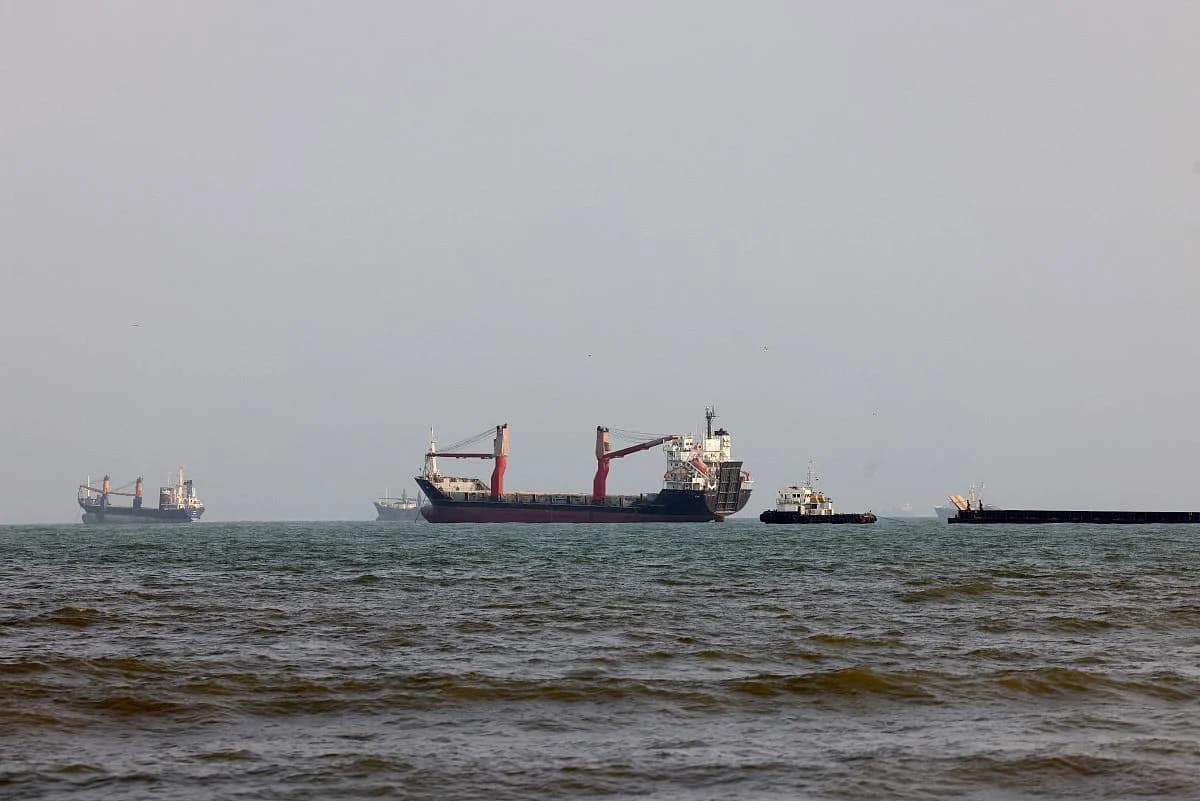
Here's what it means for you.
If you rely on global oil markets, the reopening of the Strait of Hormuz could stabilize prices and ensure smoother shipping routes.
Why it matters
The Strait of Hormuz is a critical maritime chokepoint, handling approximately one-fifth of global oil and LNG shipments, making its stability vital for energy markets.
What happened (in 30 seconds)
- US ambassador held talks with Oman's Foreign Minister on August 23, 2026, focusing on regional stability and reopening the Strait of Hormuz.
- Iran and Oman are negotiating a temporary navigational corridor and mine clearance amid ongoing tensions and US sanctions.
- US forces reported redirecting 70 vessels and disabling three during the blockade, highlighting the operational challenges in the region.
The context you actually need
- The Strait of Hormuz was effectively closed following US-Israeli strikes on Iran in February 2026, leading to Iranian military responses and a US blockade.
- Diplomatic efforts have stalled since a June 2026 memorandum of understanding, necessitating renewed talks involving Oman as a mediator.
- Market reactions have been mixed, with Brent crude prices hovering around $86, reflecting ongoing uncertainty despite proposed corridor agreements.
What's really happening
The recent diplomatic engagement between the US and Oman is a strategic move aimed at restoring stability in the Persian Gulf, particularly concerning the Strait of Hormuz. This maritime route is crucial for global energy supplies, as it facilitates the transit of about 20% of the world's oil and liquefied natural gas. The closure of this chokepoint since February 2026 has not only disrupted shipping but also escalated geopolitical tensions among key players, including the US, Iran, and Israel.
The talks on August 23, 2026, between the US ambassador and Oman's Foreign Minister, Sayyid Badr bin Hamad Al Busaidi, are part of a broader effort to de-escalate tensions and restore safe navigation in the region. The discussions coincide with parallel negotiations between Iran and Oman, focusing on establishing a temporary navigational corridor and addressing mine clearance. This collaborative approach underscores Oman's role as a vital intermediary in the region, leveraging its relationships with both the US and Iran to facilitate dialogue.
The backdrop of these talks is marked by significant military activity. US forces have been actively involved in redirecting vessels and managing naval operations to ensure maritime security. Reports indicate that 70 vessels were redirected, and three were disabled during the blockade, illustrating the operational complexities and risks involved. Meanwhile, Iranian officials have expressed their rejection of new US sanctions and have warned against third-party involvement, indicating a delicate balance of power and ongoing hostilities.
As of August 25, 2026, progress has been reported on the temporary corridor framework, with agreements on mine-clearing operations. However, the situation remains fluid, with ongoing risks highlighted by incidents involving oil tankers near Omani waters. The US continues to maintain pressure through sanctions and naval oversight, while regional markets react cautiously to the evolving situation.
The implications of these developments extend beyond immediate geopolitical concerns. For global markets, particularly in the energy sector, the reopening of the Strait of Hormuz could lead to a stabilization of oil prices and a reduction in shipping disruptions. This is particularly relevant for countries like the UAE, where fluctuations in oil prices can significantly impact local economies and consumer behavior.
Who feels it first (and how)
- Energy traders: They will closely monitor oil prices and shipping routes, impacting their trading strategies.
- Shipping companies: Increased operational costs and risks may affect logistics and insurance premiums.
- Consumers in the UAE: Fluctuations in oil prices could influence fuel costs and overall economic stability.
What to watch next
- Progress on the navigational corridor: Successful implementation could lead to reduced shipping disruptions and stabilize oil prices.
- Iran's response to US sanctions: Any escalation or de-escalation will impact regional stability and market confidence.
- Market reactions to oil price fluctuations: Watch for changes in Brent crude prices as developments unfold, affecting global energy markets.
The Strait of Hormuz is critical for global oil and LNG shipments.
Diplomatic efforts will continue, with Oman playing a key mediating role.
The long-term effectiveness of the proposed corridor and its impact on regional tensions.
Frequently Asked Questions
- Why it matters?
- The Strait of Hormuz is a critical maritime chokepoint, handling approximately one-fifth of global oil and LNG shipments, making its stability vital for energy markets.
- What happened (in 30 seconds)?
- US ambassador held talks with Oman's Foreign Minister on August 23, 2026, focusing on regional stability and reopening the Strait of Hormuz. Iran and Oman are negotiating a temporary navigational corridor and mine clearance amid ongoing tensions and US sanctions. US forces reported redirecting 70 vessels and disabling three during the blockade, highlighting the operational challenges in the region.
- What's really happening?
- The recent diplomatic engagement between the US and Oman is a strategic move aimed at restoring stability in the Persian Gulf, particularly concerning the Strait of Hormuz. This maritime route is crucial for global energy supplies, as it facilitates the transit of about 20% of the world's oil and liquefied natural gas. The closure of this chokepoint since February 2026 has not only disrupted shipping but also escalated geopolitical tensions among key players, including the US, Iran, and Israel.
- Who feels it first (and how)?
- Energy traders: They will closely monitor oil prices and shipping routes, impacting their trading strategies. Shipping companies: Increased operational costs and risks may affect logistics and insurance premiums. Consumers in the UAE: Fluctuations in oil prices could influence fuel costs and overall economic stability.
- What to watch next?
- Progress on the navigational corridor: Successful implementation could lead to reduced shipping disruptions and stabilize oil prices. Iran's response to US sanctions: Any escalation or de-escalation will impact regional stability and market confidence. Market reactions to oil price fluctuations: Watch for changes in Brent crude prices as developments unfold, affecting global energy markets.
Global news coverage with extensive reporting on Middle Eastern conflicts and geopolitics.
"Al Jazeera is a Qatar-based broadcaster known for wide regional coverage and alternative perspectives."
— A47 Editor
New US sanctions signal Trump desperation on Iran, experts say
The United States has imposed new sanctions on Iran, targeting key sectors such as aviation, technology, and shipping, as part of a broader strategy to economically isolate the country. Experts suggest that these measures reflect a sense of desperati...
Comprehensive coverage of Middle Eastern and global issues.
"Al Jazeera is a prominent voice from the Global South, especially the Middle East, with an emphasis on underreported stories."
— A47 Editor
New US sanctions signal Trump desperation on Iran, experts say
The United States has imposed new sanctions on Iran, targeting key sectors such as aviation, technology, and shipping, as part of a broader strategy to economically isolate the country. Experts suggest that these measures reflect a sense of desperati...
Oil, metals, and agriculture: supply/demand headlines, OPEC chatter, inventories, and price action.
"Solid tape for energy and metals traders tracking macro and micro catalysts."
— A47 Editor
Iran says new sanctions threatened by ’desperate’ US will fail
Iran has responded to the United States' threats of new sanctions, labeling them as desperate measures that are destined to fail. This assertion comes amid escalating tensions between the two nations, with Iran emphasizing its resilience against exte...
Breaking news and analysis from the UAE and Gulf region.
"Khaleej Times is a long-running UAE publication with broad regional coverage."
— A47 Editor
US, Oman discuss regional stability as efforts to reopen Strait of Hormuz continue
The United States and Oman have engaged in discussions aimed at enhancing regional stability, particularly focusing on efforts to reopen the strategically vital Strait of Hormuz. This dialogue comes amid rising tensions in the region, especially conc...