
Pakistan Army Chief Mediates US-Iran Diplomacy in Tehran
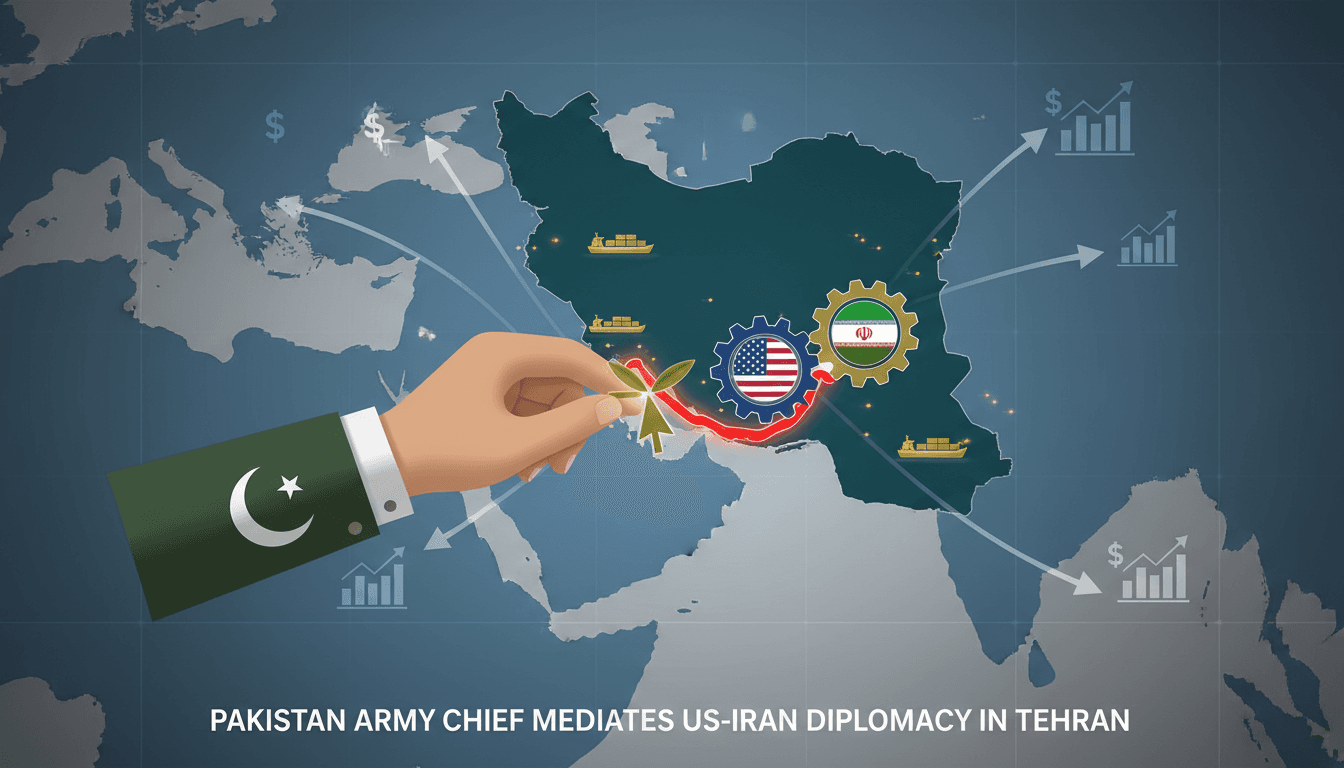
Here's what it means for you.
If you're involved in global trade or energy markets, the outcomes of these diplomatic efforts could directly impact shipping costs and energy prices.
Why it matters
The stability of the Strait of Hormuz is crucial for global oil supply, affecting energy prices and trade routes.
What happened (in 30 seconds)
- Field Marshal Asim Munir of Pakistan visited Tehran on August 24, 2026, to mediate between Iran and the US.
- High-level discussions included Iranian President Masoud Pezeshkian and focused on de-escalating tensions and reopening the Strait of Hormuz.
- Pakistani military sources reported constructive outcomes, indicating potential progress in US-Iran negotiations.
The context you actually need
- Ongoing conflict: The US-Iran relationship has been strained for six months, marked by indirect negotiations and increased sanctions.
- Pakistan's role: Islamabad has previously facilitated US-Iran talks and aims to stabilize the region amid rising tensions.
- Strategic importance: The Strait of Hormuz, a narrow waterway vital for oil transport, remains a focal point for discussions on maritime security.
What's really happening
Field Marshal Asim Munir's visit to Tehran represents a significant diplomatic maneuver aimed at addressing escalating tensions between the US and Iran. The backdrop of this mediation is a six-month conflict characterized by indirect negotiations and the imposition of secondary sanctions by the US on Iran's trade partners. Pakistan, leveraging its historical ties with both nations, has positioned itself as a mediator, seeking to promote regional stability.
During the visit, Munir engaged in discussions with key Iranian officials, including President Masoud Pezeshkian and Foreign Minister Abbas Araghchi. The talks focused on preventing further escalation of hostilities, reopening the strategically critical Strait of Hormuz, and expediting the resolution of ongoing conflicts through dialogue. The Strait, which spans just 55 kilometers, is a vital conduit for oil shipments, making its security paramount for global energy markets.
The Pakistani military's Inter-Services Public Relations (ISPR) reported that Iranian officials appreciated Islamabad's role in facilitating dialogue. This positive reception indicates a willingness on Iran's part to consider renewed negotiations, contingent on US commitments to prior agreements. The White House's acknowledgment of Munir's role in facilitating talks underscores the strategic importance of Pakistan in this geopolitical landscape.
The implications of this mediation extend beyond immediate diplomatic outcomes. A successful resolution could stabilize oil shipping lanes, potentially reducing volatility in energy prices and maritime insurance costs. This stabilization is particularly relevant for Dubai, which serves as a regional trade and logistics hub. The city's economy is closely tied to the flow of oil and goods through the Strait of Hormuz, making any disruptions a matter of significant concern.
As the situation evolves, the interplay between US sanctions, Iranian responses, and Pakistan's mediating efforts will shape the future of regional diplomacy and economic stability. The potential for renewed dialogue could pave the way for a more stable geopolitical environment, benefiting not only the involved nations but also global markets reliant on the free flow of energy resources.
Who feels it first (and how)
- Energy traders: Fluctuations in oil prices will directly impact their operations and profitability.
- Shipping companies: Changes in maritime security will affect insurance costs and shipping routes.
- Regional businesses in Dubai: Economic stability in the Gulf region will influence trade dynamics and logistics operations.
What to watch next
- US-Iran negotiations: Monitor any announcements regarding renewed talks or agreements, as these will signal shifts in diplomatic relations.
- Oil price fluctuations: Keep an eye on energy markets for any immediate reactions to developments in the Strait of Hormuz.
- Pakistan's diplomatic initiatives: Observe further actions by Pakistan to mediate between the US and Iran, as these could influence regional stability.
The Strait of Hormuz is critical for global oil transport.
Increased diplomatic efforts may lead to a reduction in tensions between the US and Iran.
The long-term effectiveness of Pakistan's mediation in achieving lasting peace remains uncertain.
Frequently Asked Questions
- Why it matters?
- The stability of the Strait of Hormuz is crucial for global oil supply, affecting energy prices and trade routes.
- What happened (in 30 seconds)?
- Field Marshal Asim Munir of Pakistan visited Tehran on August 24, 2026, to mediate between Iran and the US. High-level discussions included Iranian President Masoud Pezeshkian and focused on de-escalating tensions and reopening the Strait of Hormuz. Pakistani military sources reported constructive outcomes, indicating potential progress in US-Iran negotiations.
- What's really happening?
- Field Marshal Asim Munir's visit to Tehran represents a significant diplomatic maneuver aimed at addressing escalating tensions between the US and Iran. The backdrop of this mediation is a six-month conflict characterized by indirect negotiations and the imposition of secondary sanctions by the US on Iran's trade partners. Pakistan, leveraging its historical ties with both nations, has positioned itself as a mediator, seeking to promote regional stability. During the visit, Munir engaged in dis
- Who feels it first (and how)?
- Energy traders: Fluctuations in oil prices will directly impact their operations and profitability. Shipping companies: Changes in maritime security will affect insurance costs and shipping routes. Regional businesses in Dubai: Economic stability in the Gulf region will influence trade dynamics and logistics operations.
- What to watch next?
- US-Iran negotiations: Monitor any announcements regarding renewed talks or agreements, as these will signal shifts in diplomatic relations. Oil price fluctuations: Keep an eye on energy markets for any immediate reactions to developments in the Strait of Hormuz. Pakistan's diplomatic initiatives: Observe further actions by Pakistan to mediate between the US and Iran, as these could influence regional stability.
UAE-based English-language newspaper covering regional politics, economics, and global affairs.
"The National reflects Emirati policy perspectives while maintaining international editorial standards."
— A47 Editor
Pakistan's army chief visits Iran on mediating mission
Pakistan's army chief, Asim Munir, recently visited Iran to engage in discussions aimed at mediating talks between Iran's military leaders and the United States. This visit is part of ongoing diplomatic efforts to enhance regional peace and security ...
Oil, metals, and agriculture: supply/demand headlines, OPEC chatter, inventories, and price action.
"Solid tape for energy and metals traders tracking macro and micro catalysts."
— A47 Editor
Iran says Pakistan’s army chief to visit Tehran on Monday
Iran has announced that Pakistan's army chief will visit Tehran on Monday, signaling a potential strengthening of military and diplomatic ties between the two neighboring countries. This visit comes amid ongoing regional dynamics and geopolitical con...
Regional and international reporting focused on Middle Eastern politics, diplomacy, and economics.
"Asharq Al-Awsat is a Saudi-owned international newspaper reflecting mainstream Gulf political perspectives."
— A47 Editor
Iran: Pakistan's Army Chief to Visit Tehran on Monday
Pakistan's Army Chief, Asim Munir, is set to visit Tehran on Monday, as confirmed by Iran's foreign ministry spokesperson. This visit is part of ongoing diplomatic efforts aimed at enhancing regional peace and security, particularly in light of escal...