
Senator Fetterman Advocates for AI Development Amid U.S.-China Competition
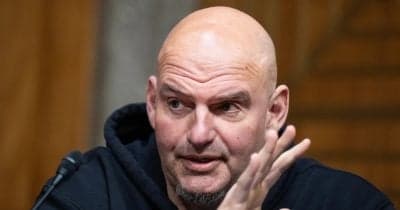
Here's what it means for you.
If you’re in tech or policy, Fetterman’s stance could reshape the landscape of AI development and regulation in the U.S.
Why it matters
This statement signals a significant intra-party divide on AI regulation, impacting future tech policies and U.S.-China relations.
What happened (in 30 seconds)
- On August 22, 2026, Senator John Fetterman publicly endorsed accelerated AI infrastructure development via a post on X.
- He criticized regulatory caution, arguing that it benefits China and undermines U.S. national security.
- Fetterman’s position aligns with former President Trump, contrasting with progressive Democrats advocating for regulatory pauses.
The context you actually need
- The U.S.-China competition in AI has intensified, with analyses showing China's rapid advancements narrowing the American lead.
- Within the Democratic Party, there is a split between centrist voices prioritizing technological leadership and progressives advocating for regulatory guardrails.
- Fetterman has consistently supported AI development, opposing proposals from figures like Bernie Sanders and Alexandria Ocasio-Cortez that call for moratoriums on data centers.
What's really happening
Senator John Fetterman's recent endorsement of accelerated AI infrastructure development marks a pivotal moment in the ongoing U.S.-China technological rivalry. His statement, which directly references a Bloomberg analysis highlighting the narrowing gap in AI capabilities between the two nations, underscores a growing urgency among certain political factions to bolster American leadership in this critical sector. Fetterman argues that "AI supremacy and energy dominance underpin our national security," positioning AI not just as a technological asset but as a cornerstone of national defense.
This perspective aligns him with former President Donald Trump, who has long advocated for the expansion of data centers and AI infrastructure as a means to create jobs and enhance economic competitiveness. By rejecting what he terms "AI doomsdaying" and hyperbole surrounding data centers, Fetterman is pushing back against a narrative that has gained traction among progressive Democrats. Figures like Bernie Sanders and Alexandria Ocasio-Cortez have called for regulatory pauses, citing concerns over job displacement, safety, and existential risks associated with AI technologies.
Fetterman's stance reflects a broader ideological divide within the Democratic Party. While progressives emphasize caution and regulatory oversight, centrist voices are increasingly prioritizing technological advancement and infrastructure development. This divergence is particularly relevant as the U.S. faces mounting pressure from China's rapid deployment of advanced AI models, which threatens to erode America's competitive edge.
The implications of Fetterman's position extend beyond party lines; they resonate with national security concerns and economic strategy. By framing regulatory caution as a potential boon for China, he is advocating for a proactive approach to AI development that prioritizes infrastructure and energy capacity. This approach not only aims to secure U.S. technological leadership but also seeks to mitigate the risks associated with overregulation that could stifle innovation.
As the debate continues, Fetterman's alignment with Trump on this issue may influence future policy decisions and shape the trajectory of AI governance in the U.S. The ongoing discourse around AI regulation will likely impact various sectors, from technology and energy to national security, as stakeholders navigate the complexities of innovation and regulation in a rapidly evolving landscape.
Who feels it first (and how)
- Tech companies: Increased pressure to innovate and expand AI capabilities.
- Policymakers: Need to navigate the divide within the Democratic Party regarding AI regulation.
- Energy sector: Potential for increased investment in infrastructure to support AI development.
- Workers in tech: Job security concerns amid rapid technological advancements.
What to watch next
- Future regulatory proposals: Monitor any new legislation or executive orders regarding AI infrastructure and development.
- Public opinion shifts: Watch how public sentiment evolves around AI regulation and its implications for jobs and safety.
- International responses: Observe how China reacts to U.S. policy shifts and whether it accelerates its own AI initiatives.
Fetterman’s position reflects a significant intra-party divide on AI regulation.
Increased focus on AI infrastructure development in U.S. policy discussions.
The long-term impact of this divide on the Democratic Party’s cohesion and electoral prospects.
Frequently Asked Questions
- Why it matters?
- This statement signals a significant intra-party divide on AI regulation, impacting future tech policies and U.S.-China relations.
- What happened (in 30 seconds)?
- On August 22, 2026, Senator John Fetterman publicly endorsed accelerated AI infrastructure development via a post on X. He criticized regulatory caution, arguing that it benefits China and undermines U.S. national security. Fetterman’s position aligns with former President Trump, contrasting with progressive Democrats advocating for regulatory pauses.
- What's really happening?
- Senator John Fetterman's recent endorsement of accelerated AI infrastructure development marks a pivotal moment in the ongoing U.S.-China technological rivalry. His statement, which directly references a Bloomberg analysis highlighting the narrowing gap in AI capabilities between the two nations, underscores a growing urgency among certain political factions to bolster American leadership in this critical sector. Fetterman argues that "AI supremacy and energy dominance underpin our national secu
- Who feels it first (and how)?
- Tech companies: Increased pressure to innovate and expand AI capabilities. Policymakers: Need to navigate the divide within the Democratic Party regarding AI regulation. Energy sector: Potential for increased investment in infrastructure to support AI development. Workers in tech: Job security concerns amid rapid technological advancements.
- What to watch next?
- Future regulatory proposals: Monitor any new legislation or executive orders regarding AI infrastructure and development. Public opinion shifts: Watch how public sentiment evolves around AI regulation and its implications for jobs and safety. International responses: Observe how China reacts to U.S. policy shifts and whether it accelerates its own AI initiatives.
Breaking news, politics, business, and entertainment from the U.S. and around the world.
"The New York Post is a tabloid-format newspaper known for its sensationalist headlines and conservative-leaning editorial tone."
— A47 Editor
Fetterman aligns with Trump on AI push, warns China benefits from US ‘overreaction’
Senator John Fetterman has joined former President Donald Trump in advocating for the advancement of artificial intelligence (AI), emphasizing its importance for national security while cautioning against potential overreactions from the U.S. that co...
Research, news, and analysis on blockchain startups, DeFi, and regulations.
"Crypto Briefing provides research, news, and analysis on blockchain startups, DeFi, and crypto regulations with investor-focused coverage."
— A47 Editor
John Fetterman aligns with Trump on AI development push, warns China benefits from US ‘overreaction’
Senator John Fetterman has aligned with former President Donald Trump in advocating for a push in artificial intelligence (AI) development, cautioning that the U.S. risks benefiting China through its overreactions to AI advancements. This stance refl...
Conservative-leaning coverage of current events.
"Fox News is a highly influential conservative news outlet known for right-leaning political commentary and coverage."
— A47 Editor
Fetterman aligns with Trump on AI push, warns China benefits from US 'overreaction'
Senator John Fetterman has aligned himself with former President Donald Trump in advocating for the development of artificial intelligence (AI), cautioning that an overreaction from the U.S. could inadvertently benefit China. Fetterman dismissed the ...