
Canada Announces Retaliatory Tariffs Against U.S. Following Trade Dispute
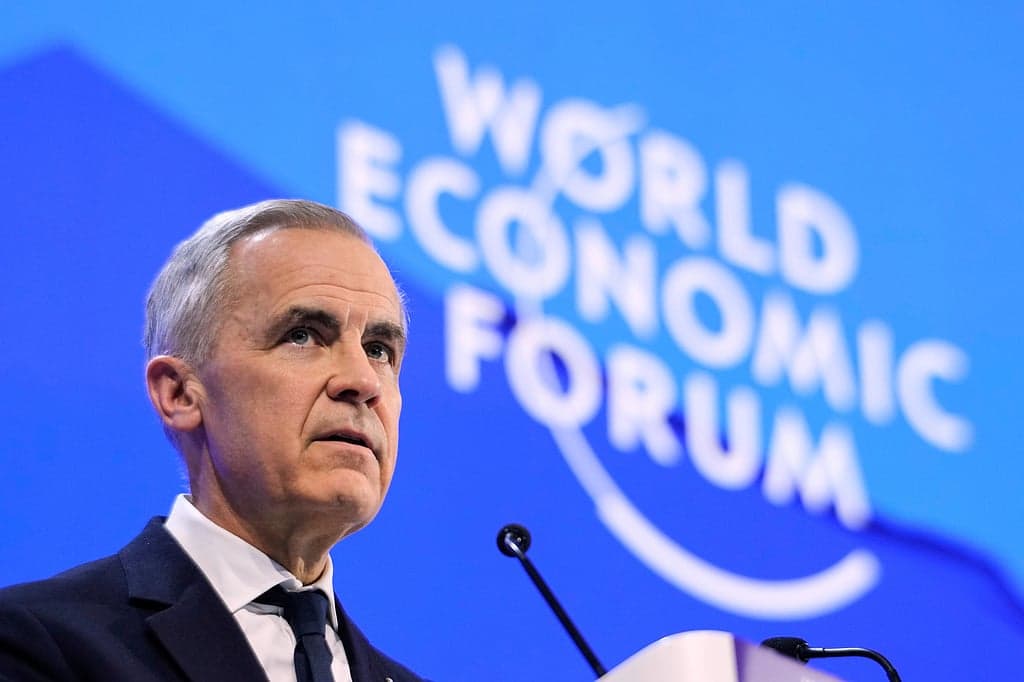
Here's what it means for you.
If you rely on cross-border trade or supply chains, prepare for potential disruptions and increased costs.
Why it matters
This trade dispute signals a significant shift in North American economic relations, impacting industries and consumers alike.
What happened (in 30 seconds)
- On August 22, 2026, Canadian Prime Minister Mark Carney announced retaliatory tariffs against the U.S. following the imposition of 50% duties on $20 billion of Canadian goods.
- Effective September 8, 2026, Canada will implement dollar-for-dollar countermeasures targeting U.S. sectors including steel, dairy, and electronics.
- Negotiations broke down over U.S. demands perceived as infringing on Canadian sovereignty, escalating tensions in North American trade relations.
The context you actually need
- Tensions have been brewing since prior U.S. tariff threats under the Trump administration, which included controversial remarks about Canada’s status.
- Carney previously warned of a potential "rupture" in international order, advocating for middle powers to resist coercion from larger nations.
- The breakdown of talks was attributed to last-minute U.S. demands that restricted Canada's trade autonomy with third countries, prompting a strong Canadian response.
What's really happening
The recent escalation in U.S.-Canada trade relations stems from a complex interplay of economic interests and national sovereignty. The U.S. imposed a 50% tariff on approximately $20 billion worth of Canadian goods, a move that Canadian officials interpreted as an aggressive economic maneuver aimed at undermining Canada’s trade autonomy. Prime Minister Mark Carney's retaliatory tariffs are not merely a response to the immediate economic impact but also a strategic assertion of Canada’s sovereignty in the face of perceived coercion from a larger power.
The U.S. tariffs target key Canadian exports, including steel, dairy, and electronics, which are vital to the Canadian economy. By implementing dollar-for-dollar countermeasures, Canada aims to protect its domestic industries while sending a clear message that it will not acquiesce to U.S. demands that threaten its economic independence. This situation reflects a broader trend where middle powers like Canada are increasingly asserting their interests against larger nations, particularly in a geopolitical landscape marked by rising tensions and economic nationalism.
The breakdown of negotiations on August 21, 2026, highlights the fragility of trade relations in North America. U.S. officials attributed the failure to Canadian demands, while Canadian leaders emphasized the importance of maintaining sovereignty. This divergence in narratives underscores the complexities of international trade negotiations, where economic interests often clash with national pride and political considerations.
As the tariffs take effect, Canadian industries will likely face increased costs, which could be passed on to consumers. The retaliatory measures are expected to create ripple effects across various sectors, potentially leading to higher prices for goods and services. Additionally, the volatility in cross-border trade may disrupt supply chains, affecting businesses that rely on seamless trade between the two countries.
This trade dispute is not just a bilateral issue; it has implications for global trade dynamics. Other nations, particularly those observing the U.S.-Canada tensions, may reassess their own trade strategies and relationships. The situation could also influence discussions within international trade organizations, as countries grapple with the challenges posed by economic coercion and the need for equitable trade practices.
Who feels it first (and how)
- Canadian exporters: Facing immediate impacts from tariffs on key goods, leading to potential revenue losses.
- U.S. manufacturers: May experience increased costs for imported Canadian materials, affecting production expenses.
- Consumers: Likely to see higher prices for goods affected by tariffs, impacting purchasing power.
- Trade-dependent sectors: Industries reliant on cross-border supply chains, such as agriculture and technology, will feel disruptions.
- Provincial leaders: Political ramifications as leaders express support for resistance against U.S. demands, shaping future trade policies.
What to watch next
- Market reactions: Monitor stock market volatility in sectors directly impacted by tariffs, as investor sentiment may shift based on trade developments.
- Further negotiations: Watch for any renewed talks between Canada and the U.S. that could lead to de-escalation or additional measures.
- Global trade implications: Observe how other countries respond to this trade dispute, particularly in terms of aligning with Canada or the U.S. in future negotiations.
Canada will implement retaliatory tariffs effective September 8, 2026.
Increased costs for consumers and businesses in both Canada and the U.S. as a result of the tariffs.
The long-term impact on U.S.-Canada relations and whether this will lead to a broader trade realignment in North America.
Frequently Asked Questions
- Why it matters?
- This trade dispute signals a significant shift in North American economic relations, impacting industries and consumers alike.
- What happened (in 30 seconds)?
- On August 22, 2026, Canadian Prime Minister Mark Carney announced retaliatory tariffs against the U.S. following the imposition of 50% duties on $20 billion of Canadian goods. Effective September 8, 2026, Canada will implement dollar-for-dollar countermeasures targeting U.S. sectors including steel, dairy, and electronics. Negotiations broke down over U.S. demands perceived as infringing on Canadian sovereignty, escalating tensions in North American trade relations.
- What's really happening?
- The recent escalation in U.S.-Canada trade relations stems from a complex interplay of economic interests and national sovereignty. The U.S. imposed a 50% tariff on approximately $20 billion worth of Canadian goods, a move that Canadian officials interpreted as an aggressive economic maneuver aimed at undermining Canada’s trade autonomy. Prime Minister Mark Carney's retaliatory tariffs are not merely a response to the immediate economic impact but also a strategic assertion of Canada’s sovereign
- Who feels it first (and how)?
- Canadian exporters: Facing immediate impacts from tariffs on key goods, leading to potential revenue losses. U.S. manufacturers: May experience increased costs for imported Canadian materials, affecting production expenses. Consumers: Likely to see higher prices for goods affected by tariffs, impacting purchasing power. Trade-dependent sectors: Industries reliant on cross-border supply chains, such as agriculture and technology, will feel disruptions. Provincial leaders: Political ramifications
- What to watch next?
- Market reactions: Monitor stock market volatility in sectors directly impacted by tariffs, as investor sentiment may shift based on trade developments. Further negotiations: Watch for any renewed talks between Canada and the U.S. that could lead to de-escalation or additional measures. Global trade implications: Observe how other countries respond to this trade dispute, particularly in terms of aligning with Canada or the U.S. in future negotiations.
UAE-based newspaper covering Gulf politics, society, and international developments.
"Gulf News is one of the UAE’s most prominent English-language publications."
— A47 Editor
Canadian PM Carney on US tariffs: 'We’re going to hit back'
Canadian Prime Minister Mark Carney has announced that Canada will retaliate against the United States' imposition of a 50% tariff on $20 billion worth of Canadian goods, following failed trade negotiations. Carney emphasized that Canada will respond...
A curated Gulf News feed featuring major stories across news, business, opinion, and lifestyle.
"Gulf News is a major UAE newspaper whose featured stories feed reflects a broad editorial mix shaped for a Gulf audience."
— A47 Editor
Canadian PM Carney on US tariffs: 'We’re going to hit back'
Canadian Prime Minister Mark Carney has announced that Canada will retaliate against the United States' imposition of a 50% tariff on $20 billion worth of Canadian goods, following failed trade negotiations. Carney emphasized that Canada will respond...
Global news coverage with extensive reporting on Middle Eastern conflicts and geopolitics.
"Al Jazeera is a Qatar-based broadcaster known for wide regional coverage and alternative perspectives."
— A47 Editor
‘You just can’t trust Trump’: Canadian premiers fire back in trade war
Canadian premiers, alongside Prime Minister Mark Carney, have responded strongly to the recent imposition of a 50% tariff by the U.S. on a wide range of Canadian goods, marking a significant escalation in the ongoing trade war. This move has prompted...
Comprehensive coverage of Middle Eastern and global issues.
"Al Jazeera is a prominent voice from the Global South, especially the Middle East, with an emphasis on underreported stories."
— A47 Editor
‘You just can’t trust Trump’: Canadian premiers fire back in trade war
Canadian premiers, alongside Prime Minister Mark Carney, have responded strongly to the recent imposition of a 50% tariff by the U.S. on a wide range of Canadian goods, marking a significant escalation in the ongoing trade war. This move has prompted...
Canadian and international political developments and policy debates.
"Global News is a mainstream Canadian outlet with a centrist editorial stance, focusing on factual reporting."
— A47 Editor
Canadian premiers appear to back Carney’s decision to abandon ‘bad deal’ with United States
Canadian premiers are expressing support for Prime Minister Mark Carney's decision to abandon trade negotiations with the United States, following the imposition of 50% tariffs on Canadian goods. This move is seen as a response to what Carney describ...