
Trump Claims Strait of Hormuz as US Territory Amid New Sanctions on Iran
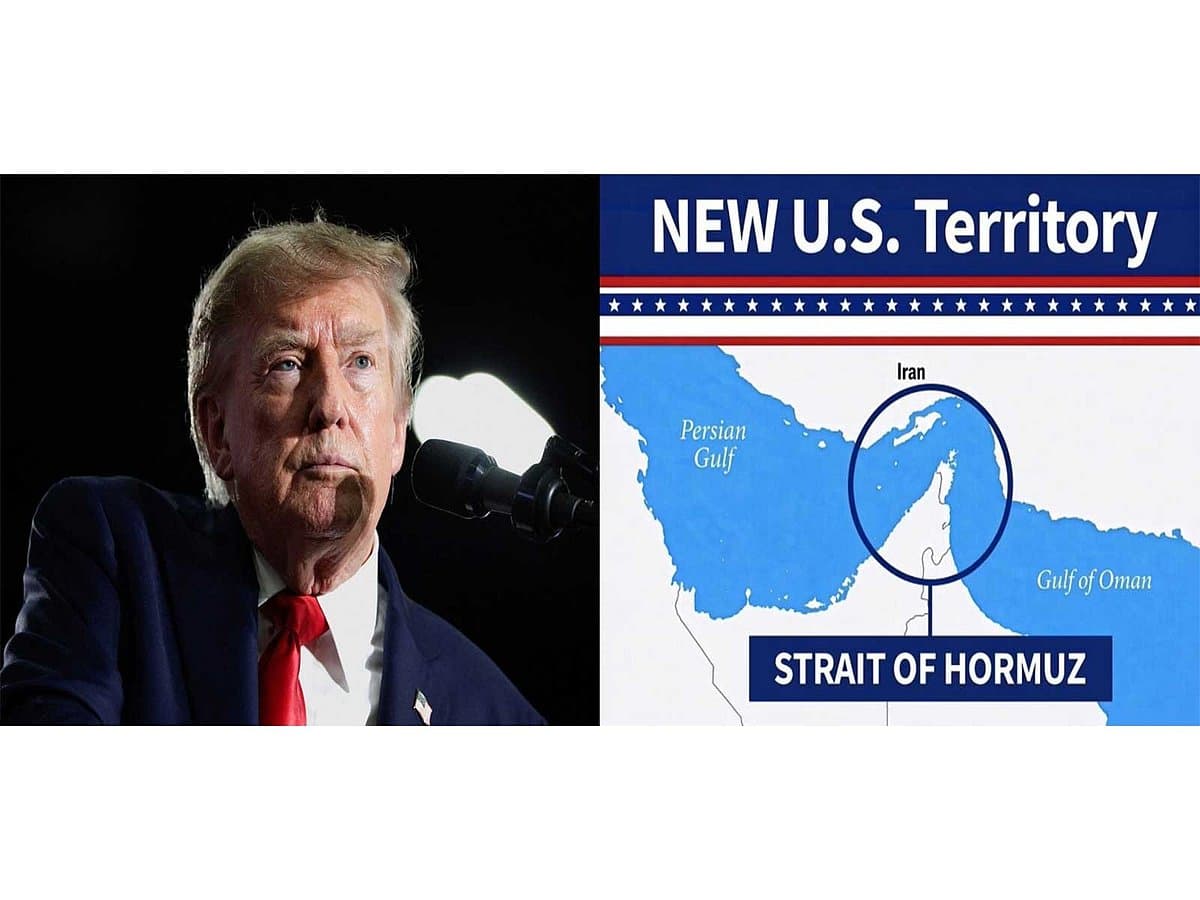
Here's what it means for you.
If you rely on global energy markets, the escalating tensions in the Strait of Hormuz could impact oil prices and shipping routes.
Why it matters
The Strait of Hormuz is a critical chokepoint for global oil transit, with about 20% of the world's oil passing through it.
What happened (in 30 seconds)
- On August 23, 2026, US President Donald Trump reposted an image on Truth Social labeling the Strait of Hormuz as "NEW US Territory."
- This action coincided with the announcement of new sanctions against Iran, which has asserted control over the strait.
- Iranian officials responded by warning that the strait would remain closed unless the US changed its policies.
The context you actually need
- Tensions have been escalating since a June 2026 memorandum of understanding between the US and Iran fell apart, leading to a US naval blockade of Iranian ports.
- Shipping traffic through the strait has shown partial recovery, with nearly 200 ships crossing in the week prior to August 23, up from about 150 the previous week.
- The UAE has suspended trade with Iran, affecting logistics and energy sectors in Dubai, as shipping disruptions and elevated insurance costs become prevalent.
What's really happening
The recent actions by President Trump reflect a broader strategy to exert US influence in the Persian Gulf, particularly over a vital energy transit route. By labeling the Strait of Hormuz as US territory, Trump is not only making a provocative statement but also signaling a shift in US foreign policy that could have far-reaching implications. This move comes as the US Treasury Secretary, Scott Bessent, prepares to implement what are described as the toughest sanctions in history against Iran, urging other nations, including China, to reduce their oil imports from Tehran.
The Strait of Hormuz is crucial for global energy security, with approximately 20% of the world's oil passing through it. Iran has long claimed sovereignty over the strait, and its officials have warned that any attempts by the US to assert control will be met with resistance. The Iranian government, led by figures such as Mohsen Rezaei and President Masoud Pezeshkian, has condemned the US actions as extraterritorial and has cautioned neighboring countries against aligning with US sanctions.
The implications of this geopolitical maneuvering extend beyond the immediate region. Shipping companies and energy markets are already feeling the effects, with increased insurance costs and shipping disruptions reported in Dubai. The UAE's decision to suspend all trade and financial transactions with Iran further complicates the situation, as it could lead to a ripple effect in regional logistics and energy supply chains.
As the situation evolves, the potential for military escalation remains a concern. The US has increased its naval presence in the region, while Iran has threatened to close the strait if its interests are not respected. This creates a precarious balance, where any miscalculation could lead to significant disruptions in global oil supply and price volatility.
Who feels it first (and how)
- Energy companies: Increased operational costs and potential supply chain disruptions.
- Shipping firms: Higher insurance premiums and rerouted shipping lanes.
- Consumers: Possible increases in fuel prices due to oil market volatility.
- Regional businesses: Trade restrictions affecting commerce with Iran and increased costs in logistics.
- Investors: Heightened market uncertainty impacting stock prices in energy sectors.
What to watch next
- Sanctions impact: Monitor how the new sanctions affect Iranian oil exports and global oil prices.
- Shipping traffic: Keep an eye on vessel traffic through the Strait of Hormuz and any disruptions that may arise.
- Diplomatic developments: Watch for any shifts in diplomatic relations between the US, Iran, and neighboring countries that could alter the current tensions.
The Strait of Hormuz is a critical global energy transit route.
Increased tensions will lead to higher shipping costs and potential disruptions in oil supply.
The long-term effects of these sanctions on Iran's economy and regional stability.
Frequently Asked Questions
- Why it matters?
- The Strait of Hormuz is a critical chokepoint for global oil transit, with about 20% of the world's oil passing through it.
- What happened (in 30 seconds)?
- On August 23, 2026, US President Donald Trump reposted an image on Truth Social labeling the Strait of Hormuz as "NEW US Territory." This action coincided with the announcement of new sanctions against Iran, which has asserted control over the strait. Iranian officials responded by warning that the strait would remain closed unless the US changed its policies.
- What's really happening?
- The recent actions by President Trump reflect a broader strategy to exert US influence in the Persian Gulf, particularly over a vital energy transit route. By labeling the Strait of Hormuz as US territory, Trump is not only making a provocative statement but also signaling a shift in US foreign policy that could have far-reaching implications. This move comes as the US Treasury Secretary, Scott Bessent, prepares to implement what are described as the toughest sanctions in history against Iran, u
- Who feels it first (and how)?
- Energy companies: Increased operational costs and potential supply chain disruptions. Shipping firms: Higher insurance premiums and rerouted shipping lanes. Consumers: Possible increases in fuel prices due to oil market volatility. Regional businesses: Trade restrictions affecting commerce with Iran and increased costs in logistics. Investors: Heightened market uncertainty impacting stock prices in energy sectors.
- What to watch next?
- Sanctions impact: Monitor how the new sanctions affect Iranian oil exports and global oil prices. Shipping traffic: Keep an eye on vessel traffic through the Strait of Hormuz and any disruptions that may arise. Diplomatic developments: Watch for any shifts in diplomatic relations between the US, Iran, and neighboring countries that could alter the current tensions.
Arabic-language coverage of political affairs and current events.
"Okaz political coverage typically follows mainstream Saudi framing on national and regional affairs."
— A47 Editor
«أرض أمريكية».. خطاب ترمب يغيّر معادلة النفوذ في مضيق هرمز
In a significant escalation of tensions between Washington and Tehran, President Donald Trump reaffirmed that the Strait of Hormuz is now considered 'American territory,' following the release of a map on his platform, Truth Social, labeled as 'New A...
UAE-based newspaper covering Gulf politics, society, and international developments.
"Gulf News is one of the UAE’s most prominent English-language publications."
— A47 Editor
Trump shares Hormuz image as 'US territory' as Iran faces new sanctions
Tensions between the United States and Iran escalated as President Donald Trump shared an image labeling the Strait of Hormuz as 'NEW US Territory'. This provocative action coincides with Iran's firm stance that the vital maritime corridor will remai...
A curated Gulf News feed featuring major stories across news, business, opinion, and lifestyle.
"Gulf News is a major UAE newspaper whose featured stories feed reflects a broad editorial mix shaped for a Gulf audience."
— A47 Editor
Trump shares Hormuz image as 'US territory' as Iran faces new sanctions
Tensions between the United States and Iran escalated as President Donald Trump shared an image labeling the Strait of Hormuz as 'NEW US Territory'. This provocative action coincides with Iran's firm stance that the vital maritime corridor will remai...
Arabic-language coverage of international news and geopolitics.
"RT Arabic is a Russian state-funded outlet often criticized for promoting Kremlin-aligned narratives."
— A47 Editor
ترامب ينشر صورة لمضيق هرمز تحت عنوان "أرض أمريكية جديدة"
U.S. President Donald Trump shared an image of the Strait of Hormuz, labeling it as "New American Land," which reflects his previous statements about placing the strait under American control. This action highlights the ongoing geopolitical significa...
UAE-based newspaper covering Gulf politics, society, and international developments.
"Gulf News is one of the UAE’s most prominent English-language publications."
— A47 Editor
US-Iran tensions: Trump calls Hormuz ‘American territory’, warns Iran on nuclear weapons
Former President Donald Trump has declared the Strait of Hormuz as 'American territory' while warning Iran against pursuing nuclear weapons, escalating tensions in the region. This statement comes amid ongoing military confrontations and a lack of di...
A curated Gulf News feed featuring major stories across news, business, opinion, and lifestyle.
"Gulf News is a major UAE newspaper whose featured stories feed reflects a broad editorial mix shaped for a Gulf audience."
— A47 Editor
US-Iran tensions: Trump calls Hormuz ‘American territory’, warns Iran on nuclear weapons
Former President Donald Trump has declared the Strait of Hormuz as 'American territory' while warning Iran against pursuing nuclear weapons, escalating tensions in the region. This statement comes amid ongoing military confrontations and a lack of di...