
Canada Implements Retaliatory Tariffs Against U.S. Amid Trade Dispute
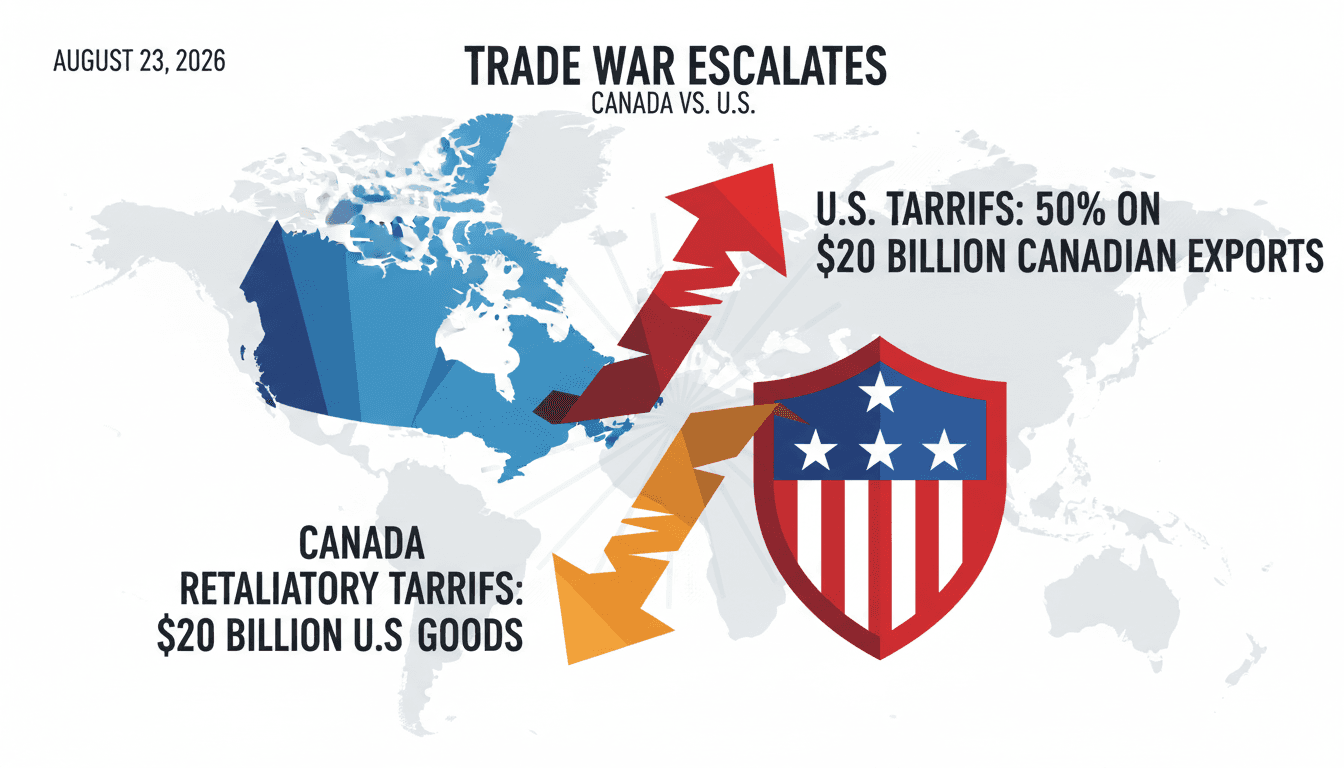
Here's what it means for you.
As global trade dynamics shift, your business strategies may need to adapt to new geopolitical realities.
The Vibe
Canada is taking a bold stand against U.S. economic pressure, prioritizing sovereignty over economic accommodation.
What it signals
This move indicates a significant shift in how middle powers like Canada are willing to engage with larger economies. By rejecting U.S. demands, Canada is asserting its independence, which could inspire other nations to adopt similar stances against economic coercion. This shift may redefine trade relationships and influence global supply chains, impacting your business operations and market access.
Why it's happening now
1. The breakdown of negotiations highlighted a growing frustration with U.S. tactics that threaten Canadian sovereignty, prompting a decisive response. 2. Prime Minister Mark Carney's previous warnings at the World Economic Forum about resisting economic coercion resonate now more than ever, as Canada faces direct threats to its trade autonomy. 3. The escalating tensions under the Trump administration have created an environment where allies are reevaluating their dependencies and negotiating power, leading to a more assertive Canadian stance.
Who it's for (and who it leaves out)
The core beneficiaries of this shift are Canadian industries that rely on exports, particularly those targeted by U.S. tariffs. Conversely, smaller businesses and consumers may face higher prices and reduced access to goods, highlighting a divide in the economic impact.
What to watch next
1. Monitor the response from other U.S. allies, as Canada’s actions may embolden them to resist similar pressures. 2. Keep an eye on market volatility in sectors affected by these tariffs, as fluctuations could signal broader economic implications.
Visual Directive: A bold infographic illustrating the trade flow between Canada and the U.S., highlighting the impact of the new tariffs.
Canada has implemented dollar-for-dollar tariffs in response to U.S. levies.
Further escalation in trade tensions is expected as both nations prepare for potential countermeasures.
The long-term impact on cross-border trade and global supply chains remains uncertain.
Corporate leadership, finance, technology, and market trends.
"Fortune covers financial trends, leadership, and innovation with a pragmatic editorial approach."
— A47 Editor
‘We’re going to hit back’ — Canada does what many other U.S. allies have avoided: risk economic pain rather than yield to tariff pressure
Canada has announced its intention to impose retaliatory tariffs in response to the U.S. government's decision to implement a 50% tariff on a wide range of Canadian goods, citing unfair trade practices. This escalation follows the collapse of trade n...
Pan-Arab news coverage spanning politics, business, sports, and regional affairs.
"Asharq Al-Awsat reflects a broad Arab editorial perspective with strong attention to regional geopolitics."
— A47 Editor
كندا ترد بتعريفات جمركية على الولايات المتحدة بعد فشل محادثاتهما التجارية
Canadian Prime Minister Mark Carney announced retaliatory tariffs on the United States following the implementation of new American tariffs at a rate of 50 percent. This decision comes after unsuccessful trade negotiations between the two nations.
Regional and international reporting focused on Middle Eastern politics, diplomacy, and economics.
"Asharq Al-Awsat is a Saudi-owned international newspaper reflecting mainstream Gulf political perspectives."
— A47 Editor
Canada to Impose Retaliatory Across a Raft of US Sectors, Carney Says
Canada has announced plans to impose retaliatory tariffs on a range of U.S. imports, effective September 8, following the U.S. decision to levy a 50% tariff on $20 billion worth of Canadian goods after failed trade negotiations. Prime Minister Mark C...