
US Southern Command Conducts Lethal Strike on Suspected Drug Traffickers in Eastern Pacific
Here's what it means for you.
The escalation of US military operations against drug trafficking could influence global drug markets and international relations.
Why it matters
The ongoing military campaign against narco-traffickers reflects broader geopolitical strategies and impacts regional stability.
What happened (in 30 seconds)
- US Southern Command (SOUTHCOM) executed a lethal strike on August 23, 2026, killing two individuals aboard a suspected drug smuggling vessel.
- The operation is part of an expanded campaign initiated in September 2025, targeting vessels linked to drug trafficking in the eastern Pacific.
- Human rights organizations have condemned the strikes as extrajudicial killings, raising concerns over due process and evidence.
The context you actually need
- Expanded military operations: Since September 2025, the Trump administration has directed military strikes against vessels accused of drug trafficking, designating involved groups as terrorist organizations.
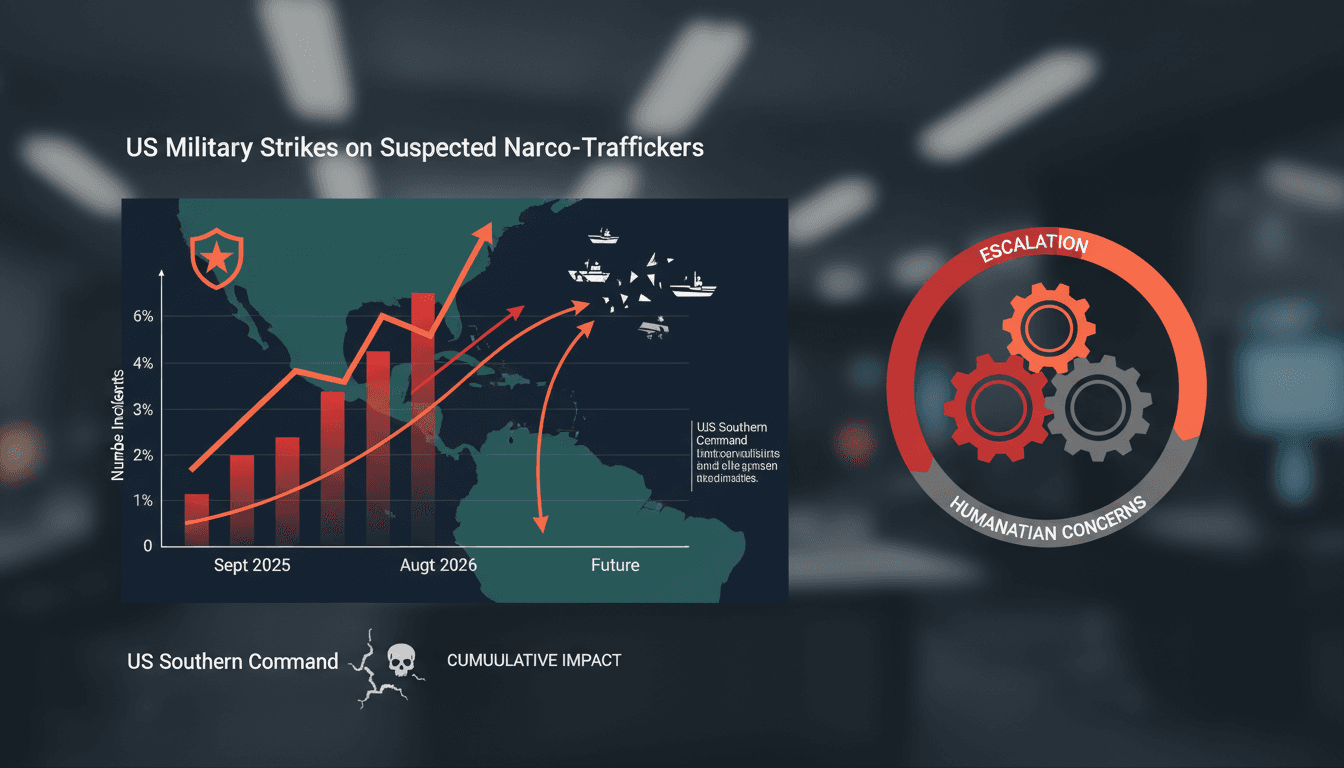
- Cumulative fatalities: The recent strike marks part of a broader campaign that has resulted in over 220 fatalities from 67 military operations targeting suspected drug vessels.
- Lack of evidence: Despite claims of intelligence backing these operations, no independent evidence has been released to substantiate the allegations of drug smuggling.
What's really happening
The US military's recent strike on a suspected narco-trafficking vessel in the eastern Pacific is emblematic of a larger strategy aimed at disrupting drug cartels operating in Latin America. This operation, executed by SOUTHCOM, is part of a series of military actions that have intensified since September 2025, under the Trump administration's directive. The administration's approach has been to label certain groups as narco-terrorists, thereby justifying military intervention in international waters.
The rationale behind these strikes is rooted in the belief that drug trafficking poses a significant threat not only to the US but also to regional stability in Latin America. By targeting these vessels, the US aims to dismantle the operational capabilities of drug cartels, which are often linked to violence and organized crime. However, the lack of independent verification of the smuggling claims raises questions about the legitimacy of these military actions. Critics argue that the strikes may constitute extrajudicial killings, as they are conducted without due process or transparent evidence.
The operational framework relies heavily on intelligence reports that identify established smuggling routes. However, the absence of publicly available evidence to support these claims has led to skepticism among human rights organizations and international observers. The ongoing campaign has drawn condemnation from groups like Human Rights Watch and Amnesty International, which argue that such military actions undermine legal norms and due process.
Moreover, the strikes have broader implications for US foreign policy and its relationships with Latin American countries. While the US positions itself as a defender against drug trafficking, the military approach may strain diplomatic relations, particularly if regional actors perceive these actions as violations of sovereignty. The cumulative toll of these operations, with over 220 fatalities reported, raises ethical concerns about the effectiveness and morality of using military force in combating drug trafficking.
As the US continues its military campaign, the potential for escalation remains high. The geopolitical landscape is shifting, and the implications of these strikes could reverberate beyond the immediate context of drug trafficking, affecting international relations and regional stability.
Who feels it first (and how)
- Human rights organizations: Increased scrutiny and condemnation of US military actions.
- Latin American governments: Potential diplomatic tensions and challenges in addressing drug trafficking collaboratively.
- Local communities: Possible repercussions from intensified military operations, including violence and instability.
What to watch next
- Increased military operations: Monitor the frequency and scale of future strikes, as they may indicate a shift in US military strategy.
- International response: Watch for reactions from Latin American governments and international organizations regarding US military interventions.
- Public discourse: Observe how public opinion shifts in the US and abroad concerning the ethics and effectiveness of military action against drug trafficking.
The US military has conducted numerous strikes against suspected drug trafficking vessels since September 2025.
The campaign will continue to face criticism from human rights organizations and may lead to diplomatic tensions with Latin American countries.
The long-term effectiveness of military strikes in reducing drug trafficking and associated violence remains uncertain.
Frequently Asked Questions
- Why it matters?
- The ongoing military campaign against narco-traffickers reflects broader geopolitical strategies and impacts regional stability.
- What happened (in 30 seconds)?
- US Southern Command (SOUTHCOM) executed a lethal strike on August 23, 2026, killing two individuals aboard a suspected drug smuggling vessel. The operation is part of an expanded campaign initiated in September 2025, targeting vessels linked to drug trafficking in the eastern Pacific. Human rights organizations have condemned the strikes as extrajudicial killings, raising concerns over due process and evidence.
- What's really happening?
- The US military's recent strike on a suspected narco-trafficking vessel in the eastern Pacific is emblematic of a larger strategy aimed at disrupting drug cartels operating in Latin America. This operation, executed by SOUTHCOM, is part of a series of military actions that have intensified since September 2025, under the Trump administration's directive. The administration's approach has been to label certain groups as narco-terrorists, thereby justifying military intervention in international w
- Who feels it first (and how)?
- Human rights organizations: Increased scrutiny and condemnation of US military actions. Latin American governments: Potential diplomatic tensions and challenges in addressing drug trafficking collaboratively. Local communities: Possible repercussions from intensified military operations, including violence and instability.
- What to watch next?
- Increased military operations: Monitor the frequency and scale of future strikes, as they may indicate a shift in US military strategy. International response: Watch for reactions from Latin American governments and international organizations regarding US military interventions. Public discourse: Observe how public opinion shifts in the US and abroad concerning the ethics and effectiveness of military action against drug trafficking.
Arabic-language political and world news coverage for UAE readers.
"Emarat Al Youm world coverage usually presents international developments through a UAE and Arab audience lens."
— A47 Editor
قتيلان بضربة أميركية على سفينة يشتبه بضلوعها في تهريب المخدرات قتيلان بضربة أميركية على سفينة يشتبه بضلوعها في تهريب المخدرات
The U.S. military announced the killing of two men in an airstrike on a ship suspected of involvement in drug trafficking in the eastern ocean on Sunday. This operation highlights ongoing efforts to combat drug smuggling activities in international w...
Global news coverage with extensive reporting on Middle Eastern conflicts and geopolitics.
"Al Jazeera is a Qatar-based broadcaster known for wide regional coverage and alternative perspectives."
— A47 Editor
US military says strike on alleged drug-smuggling boat kills two
The US Southern Command reported that a military strike on an alleged drug-smuggling boat in the eastern Pacific resulted in the deaths of two individuals. This operation is part of ongoing efforts to combat narco-trafficking along established routes...
Comprehensive coverage of Middle Eastern and global issues.
"Al Jazeera is a prominent voice from the Global South, especially the Middle East, with an emphasis on underreported stories."
— A47 Editor
US military says strike on alleged drug-smuggling boat kills two
The US Southern Command reported that a military strike on an alleged drug-smuggling boat in the eastern Pacific resulted in the deaths of two individuals. This operation is part of ongoing efforts to combat narco-trafficking along established routes...
Regional and international reporting focused on Middle Eastern politics, diplomacy, and economics.
"Asharq Al-Awsat is a Saudi-owned international newspaper reflecting mainstream Gulf political perspectives."
— A47 Editor
US Strike on Alleged Drug-smuggling Boat Kills Two
A recent U.S. military strike on a boat suspected of drug smuggling resulted in the deaths of two individuals. This incident highlights ongoing tensions in the region, particularly as the U.S. continues to assert its military presence amid various co...