
Iran and Oman Negotiate Temporary Shipping Corridor in Strait of Hormuz
Here's what it means for you.
If you rely on stable energy prices or maritime logistics, this development could impact your costs and supply chains.
Why it matters
The Strait of Hormuz is a critical chokepoint for approximately 20% of global traded oil, making its stability essential for energy markets.
What happened (in 30 seconds)
- Iran and Oman discussed a framework for a temporary shipping corridor and mine clearance in the Strait of Hormuz on August 25, 2026.
- Negotiations follow a collapsed US-Iran memorandum and aim to establish controlled navigation amid ongoing regional conflict.
- Iran's conditions for reopening the strait include US concessions related to the ongoing war and regional stability.
The context you actually need
- The Middle East conflict that began in February 2026 has led to significant disruptions in maritime trade, particularly affecting oil and gas shipments.
- Oman’s role as a mediator is crucial, as it seeks to separate navigation issues from broader geopolitical tensions, aiming for regional stability.
- Iran's Revolutionary Guards are involved in the proposed corridor, indicating a complex interplay of military and economic interests in the region.
What's really happening
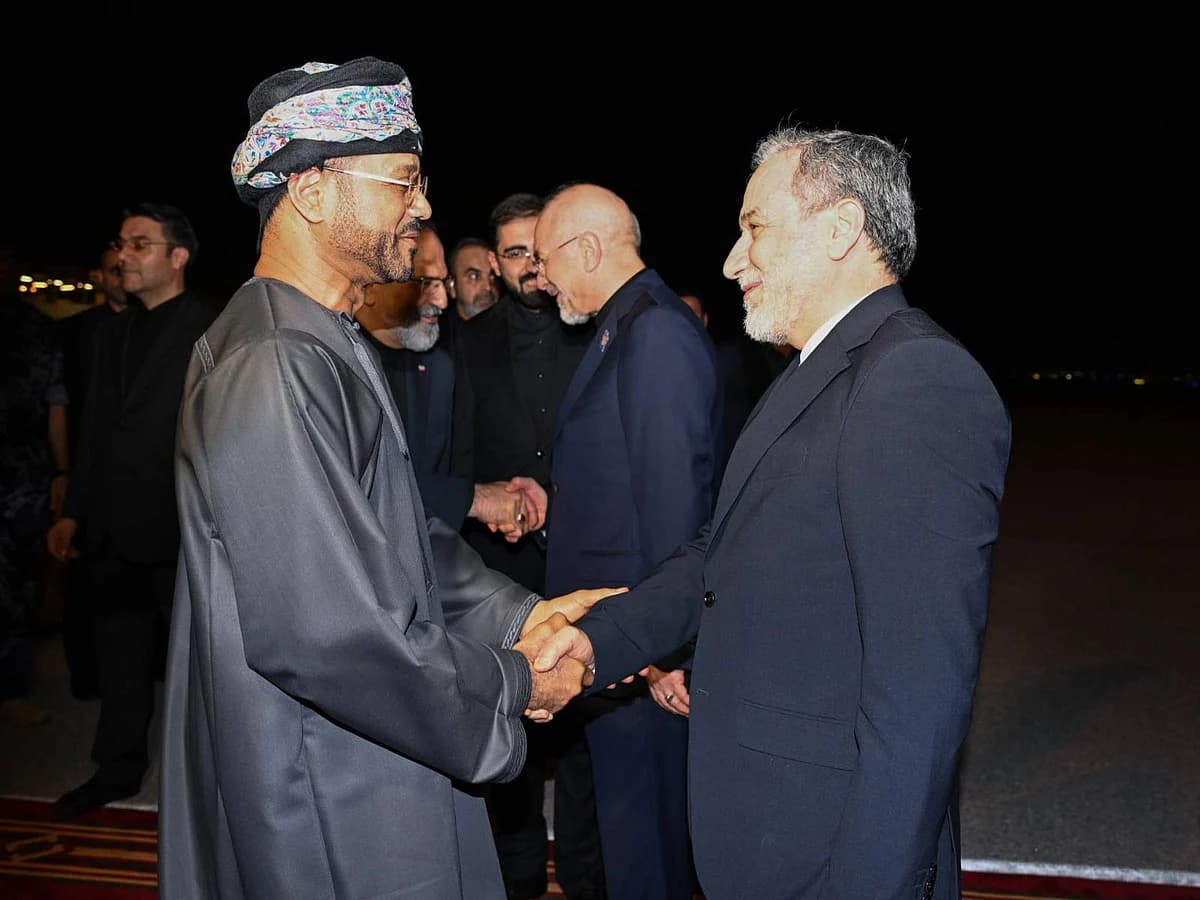
The discussions between Iran and Oman on August 25, 2026, represent a strategic effort to navigate the complexities of maritime security in the Strait of Hormuz, a vital artery for global oil trade. The ongoing Middle East conflict, which escalated due to US-Israeli military actions, has led to Iran's blockade of the strait, significantly impacting shipping routes and global energy prices.
Iran's proposal for a temporary shipping corridor includes joint mine-clearance efforts, which are essential for ensuring safe navigation through the strait. The Iranian Foreign Minister, Abbas Araghchi, and his Omani counterpart, Sayyid Badr Albusaidi, outlined a framework that emphasizes compliance with international law and revenue sharing from shipping fees. However, this revenue-sharing aspect has been met with resistance from Washington, complicating the negotiations further.
The Iranian government has made it clear that any full reopening of the strait hinges on US concessions, including an end to hostilities in the region and the lifting of economic blockades. This creates a challenging dynamic, as Iran seeks to leverage its geographical position and military capabilities while also addressing international concerns about maritime security.
Oman's involvement is particularly noteworthy; it has positioned itself as a neutral mediator, aiming to facilitate dialogue and practical arrangements for safe navigation. This approach could potentially involve other Gulf states, fostering a broader regional consensus on maritime security. The ongoing technical discussions indicate that while a final agreement has not yet been reached, there is a willingness to explore solutions that could stabilize the strait.
The implications of these negotiations extend beyond immediate maritime safety. The stability of the Strait of Hormuz is critical for global energy markets, as it accounts for a significant share of oil transit. Any disruptions could lead to increased fuel prices and logistical challenges for countries reliant on Gulf energy supplies, particularly those in close proximity, such as the UAE and Dubai.
Who feels it first (and how)
- Energy companies: Fluctuations in oil prices could impact profitability and operational costs.
- Logistics firms: Disruptions in shipping routes may lead to delays and increased shipping costs.
- Consumers in the UAE: Potential increases in fuel prices could affect transportation and living costs.
- Investors: Market volatility in energy stocks may arise from uncertainties surrounding the corridor's implementation.
What to watch next
- US-Iran negotiations: Any developments in US concessions could significantly alter the dynamics of the corridor discussions.
- Regional diplomatic efforts: Increased involvement from other Gulf states could either stabilize or complicate the situation further.
- Oil price movements: Watch for fluctuations in oil prices as the situation evolves, reflecting market reactions to the corridor's feasibility.
The Strait of Hormuz is crucial for global oil trade, with 20% of oil passing through it.
Continued negotiations between Iran and Oman will occur, with potential involvement from other Gulf states.
The timeline for a final agreement and its impact on global oil prices remains uncertain.
Frequently Asked Questions
- Why it matters?
- The Strait of Hormuz is a critical chokepoint for approximately 20% of global traded oil, making its stability essential for energy markets.
- What happened (in 30 seconds)?
- Iran and Oman discussed a framework for a temporary shipping corridor and mine clearance in the Strait of Hormuz on August 25, 2026. Negotiations follow a collapsed US-Iran memorandum and aim to establish controlled navigation amid ongoing regional conflict. Iran's conditions for reopening the strait include US concessions related to the ongoing war and regional stability.
- What's really happening?
- The discussions between Iran and Oman on August 25, 2026, represent a strategic effort to navigate the complexities of maritime security in the Strait of Hormuz, a vital artery for global oil trade. The ongoing Middle East conflict, which escalated due to US-Israeli military actions, has led to Iran's blockade of the strait, significantly impacting shipping routes and global energy prices. Iran's proposal for a temporary shipping corridor includes joint mine-clearance efforts, which are essent
- Who feels it first (and how)?
- Energy companies: Fluctuations in oil prices could impact profitability and operational costs. Logistics firms: Disruptions in shipping routes may lead to delays and increased shipping costs. Consumers in the UAE: Potential increases in fuel prices could affect transportation and living costs. Investors: Market volatility in energy stocks may arise from uncertainties surrounding the corridor's implementation.
- What to watch next?
- US-Iran negotiations: Any developments in US concessions could significantly alter the dynamics of the corridor discussions. Regional diplomatic efforts: Increased involvement from other Gulf states could either stabilize or complicate the situation further. Oil price movements: Watch for fluctuations in oil prices as the situation evolves, reflecting market reactions to the corridor's feasibility.
Global news coverage with extensive reporting on Middle Eastern conflicts and geopolitics.
"Al Jazeera is a Qatar-based broadcaster known for wide regional coverage and alternative perspectives."
— A47 Editor
Iran, Qatar hold Hormuz talks amid int’l hopes dialogue with US will resume
Iran and Qatar held talks in Doha to discuss efforts aimed at reducing military tensions and creating conditions conducive for dialogue with the United States. This meeting reflects ongoing diplomatic initiatives amid escalating geopolitical conflict...
Comprehensive coverage of Middle Eastern and global issues.
"Al Jazeera is a prominent voice from the Global South, especially the Middle East, with an emphasis on underreported stories."
— A47 Editor
Iran, Qatar hold Hormuz talks amid int’l hopes dialogue with US will resume
Iran and Qatar held talks in Doha to discuss efforts aimed at reducing military tensions and creating conditions conducive for dialogue with the United States. This meeting reflects ongoing diplomatic initiatives amid escalating geopolitical conflict...
Regional coverage and analysis focused on politics, diplomacy, and business across the Middle East.
"Al-Monitor is known for analytical reporting on Middle East politics and policy developments."
— A47 Editor
Iran, Qatar hold Hormuz talks as US blockade chokes Iran oil imports
Iran's Foreign Minister met with Qatari counterpart Sheikh Mohammed bin Abdulrahman Al Thani in Tehran to discuss the strategic Strait of Hormuz amid a US naval blockade that is severely impacting Iran's oil imports. This meeting follows a series of ...
Regional and international reporting focused on Middle Eastern politics, diplomacy, and economics.
"Asharq Al-Awsat is a Saudi-owned international newspaper reflecting mainstream Gulf political perspectives."
— A47 Editor
Qatar PM Pursues Mediation in Tehran as US Ramps up ‘Economic War’
Qatar's Prime Minister is set to visit Tehran to engage in diplomatic discussions aimed at mediating tensions between Iran and the United States, as the U.S. intensifies its economic sanctions against Iran. This visit is part of Qatar's ongoing effor...
UAE-based newspaper covering Gulf politics, society, and international developments.
"Gulf News is one of the UAE’s most prominent English-language publications."
— A47 Editor
Iran-Oman talks on Strait of Hormuz: What we know
Iran and Oman are currently engaged in discussions to establish a temporary shipping corridor through the Strait of Hormuz, a vital maritime route for global oil and gas shipments. These negotiations have gained urgency as Iran has indicated that the...
A curated Gulf News feed featuring major stories across news, business, opinion, and lifestyle.
"Gulf News is a major UAE newspaper whose featured stories feed reflects a broad editorial mix shaped for a Gulf audience."
— A47 Editor
Iran-Oman talks on Strait of Hormuz: What we know
Iran and Oman are currently engaged in discussions to establish a temporary shipping corridor through the Strait of Hormuz, a vital maritime route for global oil and gas shipments. These negotiations have gained urgency as Iran has indicated that the...
UAE-based English-language newspaper covering regional politics, economics, and global affairs.
"The National reflects Emirati policy perspectives while maintaining international editorial standards."
— A47 Editor
Qatar holds talks with Iran over temporary lane through Hormuz
Qatar is engaging in diplomatic talks with Iran regarding a temporary lane through the strategic Strait of Hormuz, a vital maritime route for global oil shipments. This initiative is part of ongoing efforts to address regional tensions and facilitate...
UAE-based English-language newspaper covering regional politics, economics, and global affairs.
"The National reflects Emirati policy perspectives while maintaining international editorial standards."
— A47 Editor
Iran war latest: Israel accuses Hezbollah of breaching ceasefire as it intensifies attacks on southern Lebanon
Israel has accused Hezbollah of violating a ceasefire agreement as it escalates military operations in southern Lebanon, raising concerns about the stability of the region. This accusation comes amid ongoing tensions between Israel and Iran, with Hez...
Regional coverage and analysis focused on politics, diplomacy, and business across the Middle East.
"Al-Monitor is known for analytical reporting on Middle East politics and policy developments."
— A47 Editor
Qatar PM to visit Tehran to pursue mediation efforts
Qatar's Prime Minister is scheduled to visit Tehran on Thursday to engage in diplomatic discussions aimed at easing tensions between the U.S. and Iran, following recent escalations in rhetoric and economic sanctions. This visit is part of Qatar's ong...
Oil, metals, and agriculture: supply/demand headlines, OPEC chatter, inventories, and price action.
"Solid tape for energy and metals traders tracking macro and micro catalysts."
— A47 Editor
Iran and Oman still working on Strait of Hormuz accord, says senior Iranian source
A senior Iranian source has confirmed that Iran and Oman are actively working on finalizing an accord regarding the Strait of Hormuz, a crucial maritime route for global oil transport. This agreement aims to enhance maritime security amid rising tens...