
Qatar PM Engages Iranian Leaders to Revive US-Iran Dialogue on Hormuz
Here's what it means for you.
The ongoing diplomatic efforts in the Gulf could stabilize energy prices and shipping routes critical to your business.
Why it matters
The outcome of these talks could significantly influence global energy markets and regional security dynamics.
What happened (in 30 seconds)
- Qatar's Prime Minister Sheikh Mohammed bin Abdulrahman Al Thani met with key Iranian officials in Tehran on August 27, 2026, to discuss US-Iran relations.
- The meetings aimed to revive dialogue on freedom of navigation through the Strait of Hormuz and regional de-escalation following the collapse of the June Islamabad Memorandum of Understanding.
- No immediate agreements were reached, but discussions highlighted mutual interests in stability amid recent military incidents and shipping disruptions.
The context you actually need
- The June 2026 Islamabad MoU was a significant diplomatic effort that temporarily halted active conflict phases between the US and Iran, but it collapsed over navigation disputes.
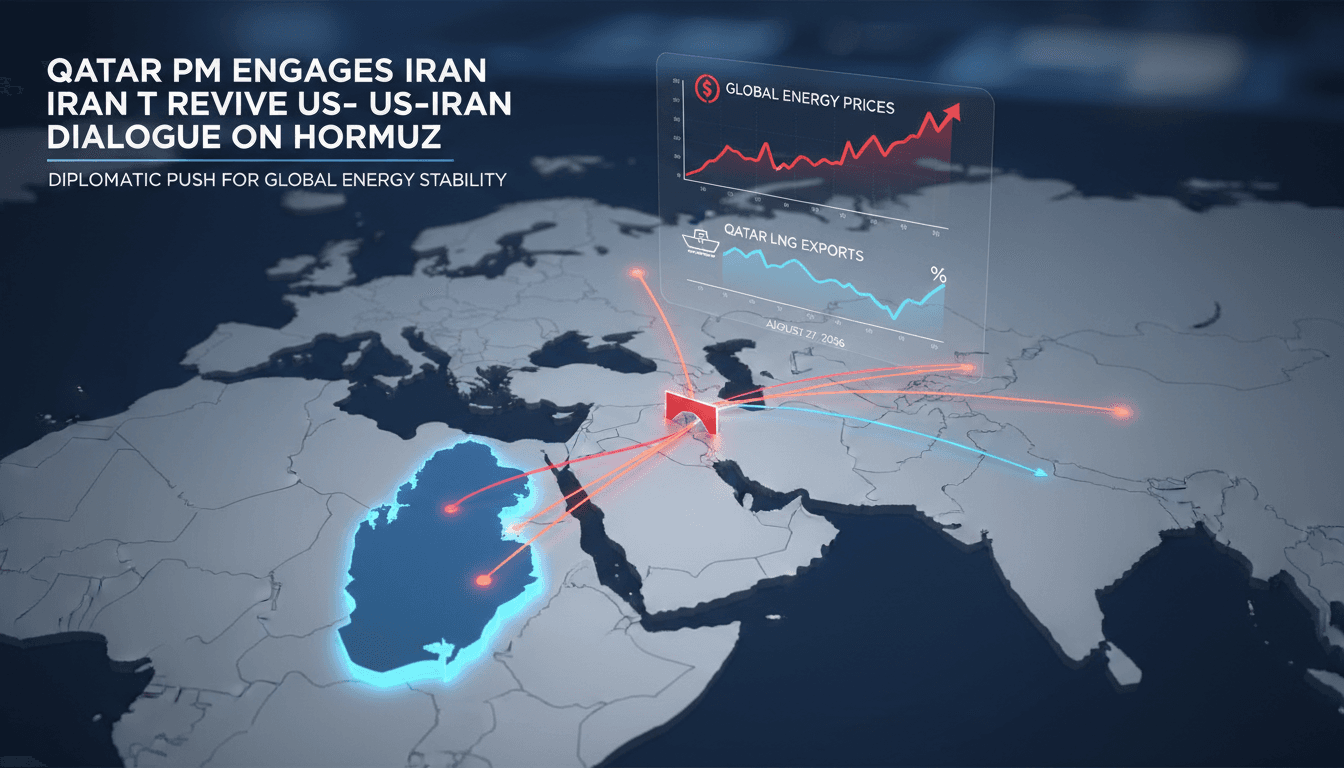
- Qatar's LNG exports have plummeted by 96% since the onset of the conflict, resulting in $24 billion in losses, underscoring the economic stakes involved.
- Iran is facing internal divisions exacerbated by the absence of Supreme Leader Mojtaba Khamenei from public view, complicating its diplomatic posture.
What's really happening
The recent meetings in Tehran represent a critical juncture in the ongoing tensions between the US and Iran, with Qatar positioning itself as a mediator. Sheikh Mohammed's discussions with Iranian leaders focused on several key areas: the establishment of a temporary joint shipping corridor through the Strait of Hormuz, mine-clearing projects, and the broader implications of US-Iran relations.
The backdrop of these talks is the collapse of the Islamabad MoU, which had aimed to facilitate a 60-day period for nuclear talks and end the US naval blockade. The failure of this agreement has led to renewed Iranian military actions against vessels and increased US economic sanctions, creating a volatile environment for regional trade and security.
Qatar's involvement is particularly significant given its economic interests. The 96% decline in Qatari LNG exports since the conflict began has had severe financial repercussions, prompting Doha to seek a resolution that would stabilize shipping routes and restore its energy exports. The discussions in Tehran also reflect Iran's internal challenges, as divisions within its political establishment complicate its diplomatic strategy. Iranian officials have expressed skepticism towards US intentions, emphasizing their commitment to sovereignty while remaining open to dialogue.
The meetings also come on the heels of similar diplomatic overtures from Oman and Pakistan, indicating a broader regional effort to mediate tensions. The emphasis on dialogue and cooperation suggests that while immediate agreements may not be forthcoming, there is a recognition of the need for stability in the Gulf region.
As these dynamics unfold, the implications for global energy markets and regional security are profound. A successful mediation could lead to a restoration of navigation rights in the Strait of Hormuz, a critical chokepoint for global oil shipments, thereby stabilizing energy prices and reducing shipping disruptions.
Who feels it first (and how)
- Energy Sector: Companies reliant on LNG exports from Qatar will experience immediate impacts on pricing and supply stability.
- Shipping and Logistics Firms: Businesses operating in the Gulf will be affected by changes in shipping routes and costs.
- Regional Governments: Nations in the Gulf will need to navigate the shifting diplomatic landscape and its implications for security and trade.
What to watch next
- US-Iran Diplomatic Engagement: Monitor any new developments in US-Iran talks, as renewed dialogue could signal shifts in regional stability.
- Energy Market Reactions: Watch for fluctuations in global energy prices, particularly if navigation through the Strait of Hormuz stabilizes.
- Qatar's Economic Recovery: Keep an eye on Qatari LNG export levels as a barometer for the success of diplomatic efforts and regional stability.
Qatar is actively mediating between the US and Iran to revive dialogue.
Continued skepticism from Iranian officials regarding US intentions will shape future negotiations.
The timeline for any potential agreements or shifts in US-Iran relations remains uncertain.
Frequently Asked Questions
- Why it matters?
- The outcome of these talks could significantly influence global energy markets and regional security dynamics.
- What happened (in 30 seconds)?
- Qatar's Prime Minister Sheikh Mohammed bin Abdulrahman Al Thani met with key Iranian officials in Tehran on August 27, 2026, to discuss US-Iran relations. The meetings aimed to revive dialogue on freedom of navigation through the Strait of Hormuz and regional de-escalation following the collapse of the June Islamabad Memorandum of Understanding. No immediate agreements were reached, but discussions highlighted mutual interests in stability amid recent military incidents and shipping disruptions.
- What's really happening?
- The recent meetings in Tehran represent a critical juncture in the ongoing tensions between the US and Iran, with Qatar positioning itself as a mediator. Sheikh Mohammed's discussions with Iranian leaders focused on several key areas: the establishment of a temporary joint shipping corridor through the Strait of Hormuz, mine-clearing projects, and the broader implications of US-Iran relations. The backdrop of these talks is the collapse of the Islamabad MoU, which had aimed to facilitate a 60-d
- Who feels it first (and how)?
- Energy Sector: Companies reliant on LNG exports from Qatar will experience immediate impacts on pricing and supply stability. Shipping and Logistics Firms: Businesses operating in the Gulf will be affected by changes in shipping routes and costs. Regional Governments: Nations in the Gulf will need to navigate the shifting diplomatic landscape and its implications for security and trade.
- What to watch next?
- US-Iran Diplomatic Engagement: Monitor any new developments in US-Iran talks, as renewed dialogue could signal shifts in regional stability. Energy Market Reactions: Watch for fluctuations in global energy prices, particularly if navigation through the Strait of Hormuz stabilizes. Qatar's Economic Recovery: Keep an eye on Qatari LNG export levels as a barometer for the success of diplomatic efforts and regional stability.
Regional coverage and analysis focused on politics, diplomacy, and business across the Middle East.
"Al-Monitor is known for analytical reporting on Middle East politics and policy developments."
— A47 Editor
Qatar PM meets Pezeshkian, Rezaee as Doha seeks US-Iran mediation
Qatar's Prime Minister Sheikh Mohammed bin Abdulrahman bin Jassim Al Thani is set to meet with Iranian officials in Tehran, aiming to facilitate discussions that could lead to a revival of diplomatic relations between the U.S. and Iran. This visit fo...
Global news coverage with extensive reporting on Middle Eastern conflicts and geopolitics.
"Al Jazeera is a Qatar-based broadcaster known for wide regional coverage and alternative perspectives."
— A47 Editor
Iran, Qatar hold Hormuz talks amid int’l hopes dialogue with US will resume
Iran and Qatar held talks in Doha to discuss efforts aimed at reducing military tensions and creating conditions conducive for dialogue with the United States. This meeting reflects ongoing diplomatic initiatives amid escalating geopolitical conflict...
Comprehensive coverage of Middle Eastern and global issues.
"Al Jazeera is a prominent voice from the Global South, especially the Middle East, with an emphasis on underreported stories."
— A47 Editor
Iran, Qatar hold Hormuz talks amid int’l hopes dialogue with US will resume
Iran and Qatar held talks in Doha to discuss efforts aimed at reducing military tensions and creating conditions conducive for dialogue with the United States. This meeting reflects ongoing diplomatic initiatives amid escalating geopolitical conflict...
Jordanian news and regional updates.
"Roya News is a Jordanian outlet focused on breaking news and local affairs."
— A47 Editor
رئيس الوزراء القطري يبحث مع قيادات إيرانية تداعيات التصعيد في المنطقة
The Prime Minister of Qatar and the Minister of Foreign Affairs held a pivotal meeting with Iranian leaders to discuss the escalating tensions in the region. This gathering underscores the importance of diplomatic dialogue amid rising conflicts that ...