
Syrian President Appoints Mazloum Abdi as Adviser Following SDF Dissolution
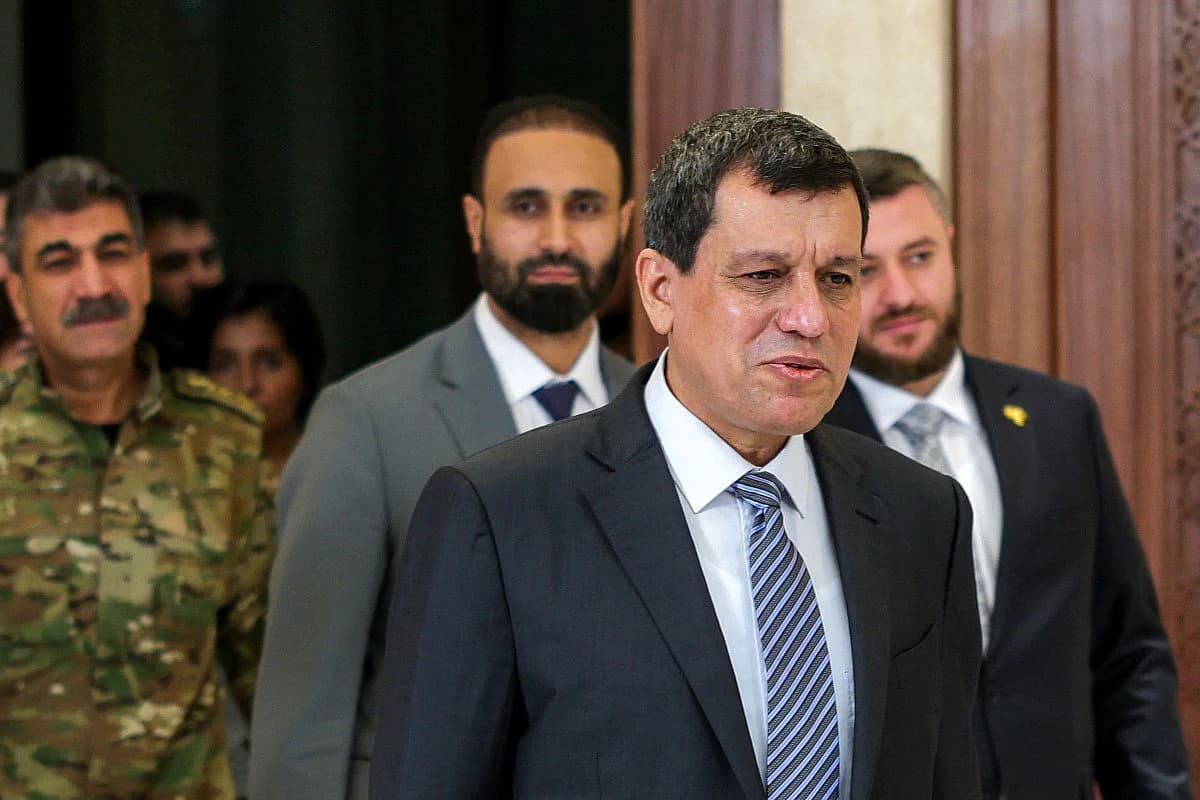
Here's what it means for you.
This political shift could reshape regional stability and economic opportunities in the Middle East.
Why it matters
The integration of Kurdish forces into the Syrian state could stabilize the region, impacting trade and security dynamics.
What happened (in 30 seconds)
- On August 27, 2026, Syrian President Ahmed al-Sharaa appointed Mazloum Abdi as presidential adviser.
- This followed the dissolution of the SDF, which Abdi announced just two days earlier, marking a significant shift in military and political power.
- The integration aims to address Kurdish rights, including language recognition, while consolidating authority in post-Assad Syria.
The context you actually need
- The SDF was formed in 2015 with U.S. support to combat ISIS and sought autonomy in northeast Syria.
- Following Assad's ouster in December 2024, the new Syrian authorities aimed for nationwide integration of autonomous regions, including Kurdish areas.
- The integration agreement was built on prior frameworks and aimed to resolve stalled negotiations after significant territorial losses for the SDF.
What's really happening
The appointment of Mazloum Abdi as presidential adviser is a pivotal moment in Syria's political landscape, reflecting a broader strategy by President Ahmed al-Sharaa to consolidate power and integrate previously autonomous regions into a unified state structure. This move comes on the heels of the SDF's dissolution, which Abdi announced on August 25, 2026, confirming the integration of Kurdish forces into the Syrian army.
The integration process is not merely a military maneuver; it is a calculated political strategy aimed at addressing long-standing Kurdish demands for rights recognition while simultaneously reinforcing the central authority of the Syrian government. By appointing Abdi, a prominent Kurdish leader, al-Sharaa is signaling a willingness to engage with Kurdish political aspirations, which could foster a more stable governance framework in the region.
This shift is also significant in the context of U.S. foreign policy. U.S. Special Envoy Tom Barrack praised the integration as a diplomatic solution, indicating that the U.S. may view this development as a way to strengthen Syrian sovereignty while potentially reducing the need for direct military involvement in the region. The endorsement from the U.S. suggests a tacit approval of the new political dynamics, which could lead to increased international support for the Syrian government.
Moreover, the integration of Kurdish forces into state institutions is likely to have economic implications. The Syrian government has been under significant pressure to stabilize the economy and attract foreign investment. By addressing Kurdish rights and integrating their military structures, the government may be attempting to create a more inclusive environment that could facilitate economic recovery. This is particularly relevant for Gulf investors and residents in Dubai, who may benefit from enhanced trade and security cooperation in the Levant.
The concurrent authorization of Kurdish-language instruction by the education ministry further underscores the government's commitment to recognizing Kurdish identity within the framework of a unified Syrian state. This could lead to a more cohesive society, reducing ethnic tensions that have historically plagued the region.
In summary, the appointment of Mazloum Abdi is a strategic move that reflects a complex interplay of military, political, and economic factors aimed at stabilizing Syria in the post-Assad era.
Who feels it first (and how)
- Kurdish communities: They may experience increased recognition and rights within the Syrian state.
- Syrian government officials: They will likely see a shift in power dynamics and responsibilities as integration progresses.
- International investors: Particularly those in the Gulf, who may benefit from improved trade relations and regional stability.
What to watch next
- Implementation of Kurdish rights: Monitor how the Syrian government follows through on promises of language recognition and other rights. This will indicate the sincerity of the integration process.
- International reactions: Watch for responses from the U.S. and other Western nations regarding the integration and its implications for regional security.
- Economic developments: Keep an eye on investments and trade agreements emerging from this new political landscape, particularly involving Gulf states.
The SDF has been fully dissolved and integrated into the Syrian army.
The Syrian government will continue to pursue policies aimed at stabilizing the region and integrating various ethnic groups.
The long-term effectiveness of this integration in achieving lasting peace and stability in Syria remains uncertain.
Frequently Asked Questions
- Why it matters?
- The integration of Kurdish forces into the Syrian state could stabilize the region, impacting trade and security dynamics.
- What happened (in 30 seconds)?
- On August 27, 2026, Syrian President Ahmed al-Sharaa appointed Mazloum Abdi as presidential adviser. This followed the dissolution of the SDF, which Abdi announced just two days earlier, marking a significant shift in military and political power. The integration aims to address Kurdish rights, including language recognition, while consolidating authority in post-Assad Syria.
- What's really happening?
- The appointment of Mazloum Abdi as presidential adviser is a pivotal moment in Syria's political landscape, reflecting a broader strategy by President Ahmed al-Sharaa to consolidate power and integrate previously autonomous regions into a unified state structure. This move comes on the heels of the SDF's dissolution, which Abdi announced on August 25, 2026, confirming the integration of Kurdish forces into the Syrian army. The integration process is not merely a military maneuver; it is a calc
- Who feels it first (and how)?
- Kurdish communities: They may experience increased recognition and rights within the Syrian state. Syrian government officials: They will likely see a shift in power dynamics and responsibilities as integration progresses. International investors: Particularly those in the Gulf, who may benefit from improved trade relations and regional stability.
- What to watch next?
- Implementation of Kurdish rights: Monitor how the Syrian government follows through on promises of language recognition and other rights. This will indicate the sincerity of the integration process. International reactions: Watch for responses from the U.S. and other Western nations regarding the integration and its implications for regional security. Economic developments: Keep an eye on investments and trade agreements emerging from this new political landscape, particularly involving Gulf
Pan-Arab news coverage spanning politics, business, sports, and regional affairs.
"Asharq Al-Awsat reflects a broad Arab editorial perspective with strong attention to regional geopolitics."
— A47 Editor
ترحيب كردي وعربي بتعيين عبدي مستشاراً رئاسياً
Syrian political figures, both Kurdish and Arab, have welcomed the appointment of Mazloum Abdi, the former leader of the dissolved Syrian Democratic Forces (SDF), as an advisor to the presidency. This appointment is seen as a significant step in fost...
Regional and international reporting focused on Middle Eastern politics, diplomacy, and economics.
"Asharq Al-Awsat is a Saudi-owned international newspaper reflecting mainstream Gulf political perspectives."
— A47 Editor
Can Mazloum Abdi’s Appointment as President's Adviser Bolster Security in Northern Syria?
Syrian President Ahmed al-Sharaa has appointed Mazloum Abdi, the former commander of the Kurdish-led Syrian Democratic Forces (SDF), as a presidential adviser. This appointment follows the recent dissolution of the SDF, which has transitioned into th...
Arabic-language political and world news coverage for UAE readers.
"Emarat Al Youm world coverage usually presents international developments through a UAE and Arab audience lens."
— A47 Editor
الشرع يُعين مظلوم عبدي مستشارا للرئاسة السورية الشرع يُعين مظلوم عبدي مستشارا للرئاسة السورية
Syrian President Ahmad al-Shara has issued a decree appointing Mazloum Abdi as an advisor to the presidency. Abdi is the former commander of the Syrian Democratic Forces, a key military group in the region.
Regional coverage and analysis focused on politics, diplomacy, and business across the Middle East.
"Al-Monitor is known for analytical reporting on Middle East politics and policy developments."
— A47 Editor
Syrian president names former commander of Kurdish-led force as adviser
Syrian President Ahmed al-Sharaa has appointed Mazloum Abdi, the former commander of the Kurdish-led Syrian Democratic Forces (SDF), as a presidential adviser, marking a significant shift in the relationship between the Syrian government and Kurdish ...
UAE-based English-language newspaper covering regional politics, economics, and global affairs.
"The National reflects Emirati policy perspectives while maintaining international editorial standards."
— A47 Editor
Syrian President Ahmad Al Shara appoints former SDF commander Mazloum Abdi as adviser
Syrian President Ahmad Al Shara has appointed Mazloum Abdi, the former commander of the Kurdish-led Syrian Democratic Forces (SDF), as a presidential adviser. This appointment follows the recent dissolution of the SDF, which has transitioned into the...
Regional and international reporting focused on Middle Eastern politics, diplomacy, and economics.
"Asharq Al-Awsat is a Saudi-owned international newspaper reflecting mainstream Gulf political perspectives."
— A47 Editor
Syria President Appoints Kurdish Leader Mazloum Abdi as His Adviser
Syrian President Ahmed al-Sharaa has appointed Kurdish leader Mazloum Abdi as a presidential adviser, following Abdi's announcement regarding the dissolution of the Kurdish-led Syrian Democratic Forces (SDF) as part of an integration agreement with t...
English-language reporting on Saudi politics, policy, and society.
"Saudi Gazette reflects mainstream Saudi institutional perspectives."
— A47 Editor
Syria's Al-Sharaa appoints ex-commander of Kurdish-led SDF as adviser
Syrian President Ahmed Al-Sharaa has appointed Kurdish leader Mazloum Abdi as a presidential adviser, following Abdi's announcement of the dissolution of the Kurdish-led Syrian Democratic Forces (SDF) as part of an integration deal with Damascus. Thi...
A curated Gulf News feed featuring major stories across news, business, opinion, and lifestyle.
"Gulf News is a major UAE newspaper whose featured stories feed reflects a broad editorial mix shaped for a Gulf audience."
— A47 Editor
Syria president appoints Kurdish leader Mazloum Abdi as his adviser
Syrian President Ahmed al-Sharaa has appointed Kurdish leader Mazloum Abdi as a presidential adviser, marking a significant shift in the political landscape of Syria. This appointment follows Abdi's announcement regarding the dissolution of the Kurdi...
UAE-based newspaper covering Gulf politics, society, and international developments.
"Gulf News is one of the UAE’s most prominent English-language publications."
— A47 Editor
Syria president appoints Kurdish leader Mazloum Abdi as his adviser
Syrian President Ahmed al-Sharaa has appointed Kurdish leader Mazloum Abdi as a presidential adviser, marking a significant shift in the political landscape of Syria. This appointment follows Abdi's announcement regarding the dissolution of the Kurdi...
Global news coverage with extensive reporting on Middle Eastern conflicts and geopolitics.
"Al Jazeera is a Qatar-based broadcaster known for wide regional coverage and alternative perspectives."
— A47 Editor
Syria’s president appoints ex-commander of Kurdish-led SDF as advisor
Syrian President Ahmed al-Sharaa has appointed Mazloum Abdi, the former commander of the Kurdish-led Syrian Democratic Forces (SDF), as a presidential advisor. This appointment comes shortly after the dissolution of the SDF, which has transitioned in...
Comprehensive coverage of Middle Eastern and global issues.
"Al Jazeera is a prominent voice from the Global South, especially the Middle East, with an emphasis on underreported stories."
— A47 Editor
Syria’s president appoints ex-commander of Kurdish-led SDF as advisor
Syrian President Ahmed al-Sharaa has appointed Mazloum Abdi, the former commander of the Kurdish-led Syrian Democratic Forces (SDF), as a presidential advisor. This appointment comes shortly after the dissolution of the SDF, which has transitioned in...
Regional coverage and analysis focused on politics, diplomacy, and business across the Middle East.
"Al-Monitor is known for analytical reporting on Middle East politics and policy developments."
— A47 Editor
Syria president appoints Kurdish leader Mazloum Abdi as his adviser
Syrian President Ahmed al-Sharaa has appointed Kurdish leader Mazloum Abdi as a presidential adviser, following Abdi's announcement of the dissolution of his Kurdish forces as part of an integration agreement with Damascus. This appointment reflects ...
Regional coverage and analysis focused on politics, diplomacy, and business across the Middle East.
"Al-Monitor is known for analytical reporting on Middle East politics and policy developments."
— A47 Editor
Mazloum Abdi, from champion of Syria Kurdish autonomy to presidential adviser
Mazloum Abdi has been appointed as an adviser to Syria's presidency, transitioning from his role as a military leader of the Kurdish-led Syrian Democratic Forces (SDF), which recently announced its dissolution. This shift marks a significant change i...
Pan-Arab news coverage spanning politics, business, sports, and regional affairs.
"Asharq Al-Awsat reflects a broad Arab editorial perspective with strong attention to regional geopolitics."
— A47 Editor
الشرع يعيّن مظلوم عبدي مستشاراً للرئاسة
Syrian President Ahmad al-Shara has issued a decree appointing Mustafa Abdi, also known as Mazloum Abdi, the former commander of the disbanded Syrian Democratic Forces, as an advisor to the presidency. This appointment marks a significant shift in th...